CON
CON CON
CON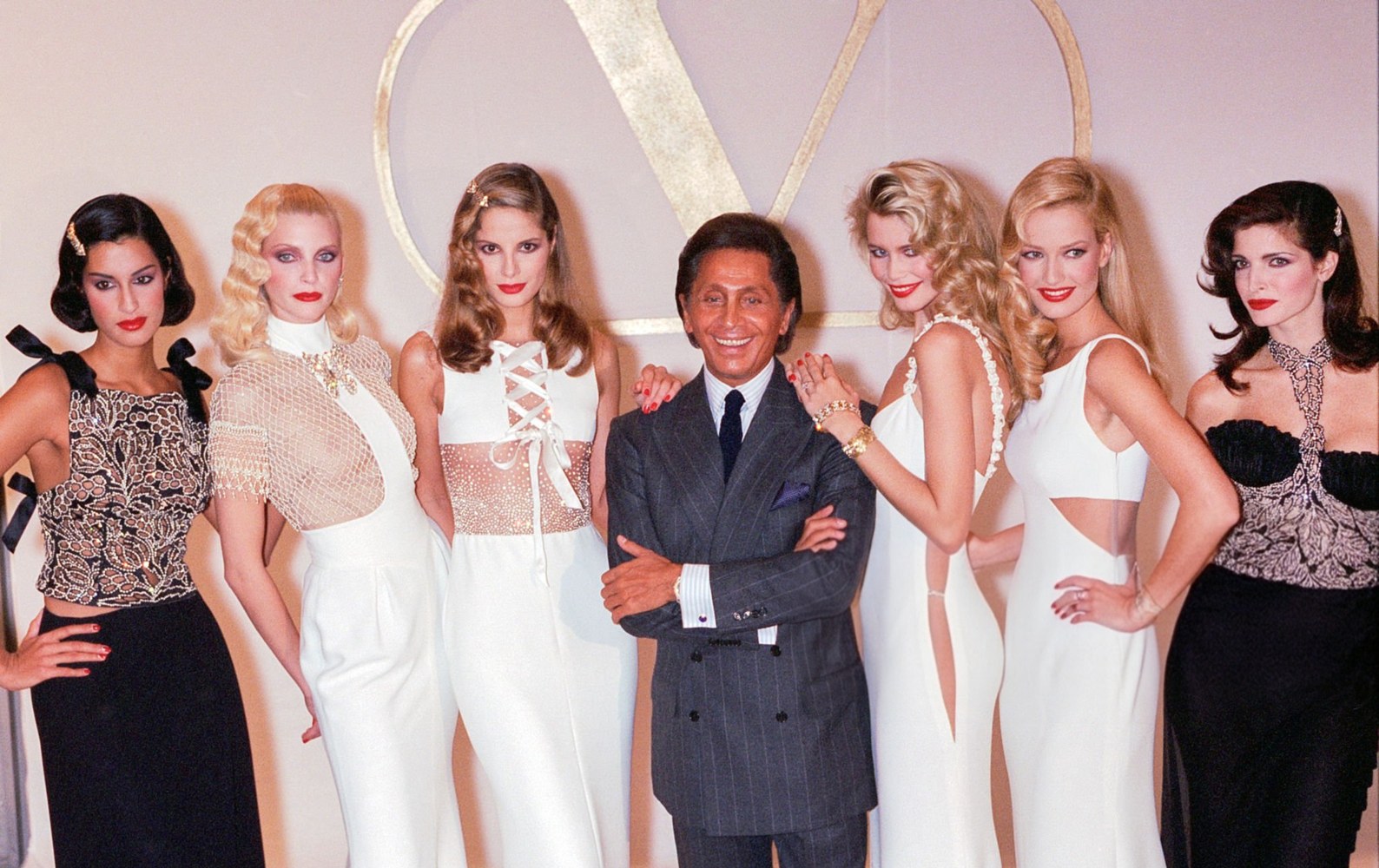
Ifat Irani – co owner of Factory 54: “Alongside the deep appreciation for his figure and his legacy, we are filled with gratitude for the great privilege of working for more than two decades with the fashion house of Valentino Garavani, an inspiring and exceptional value driven experience, founded on one of a kind creation, extraordinary tailoring, excellence, precision, and profound respect for fashion as culture.”
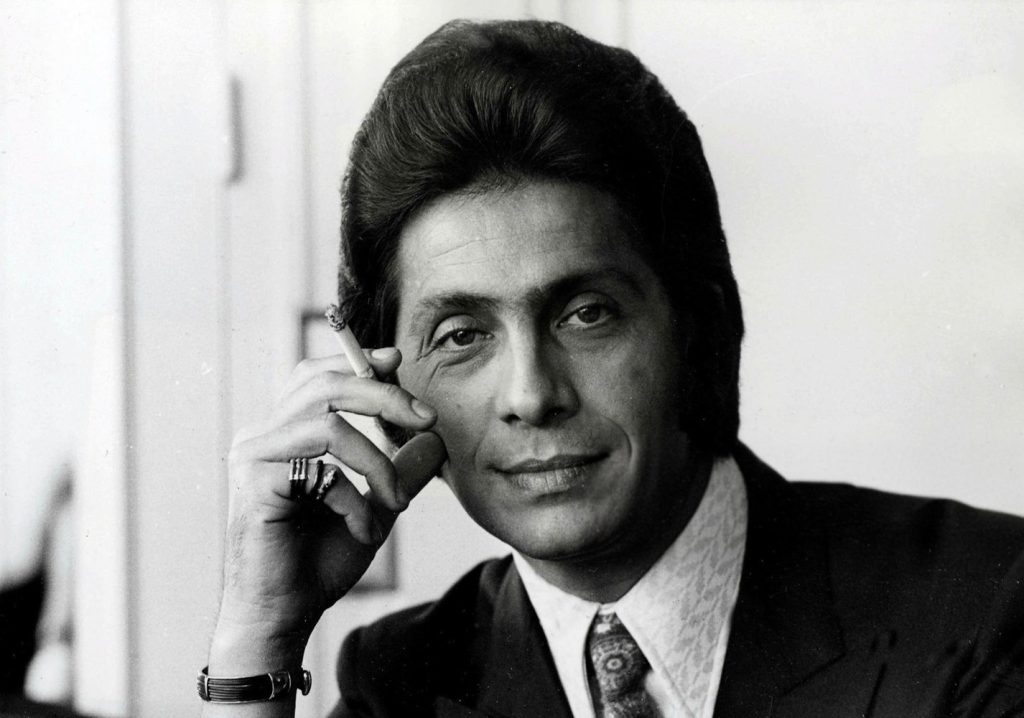
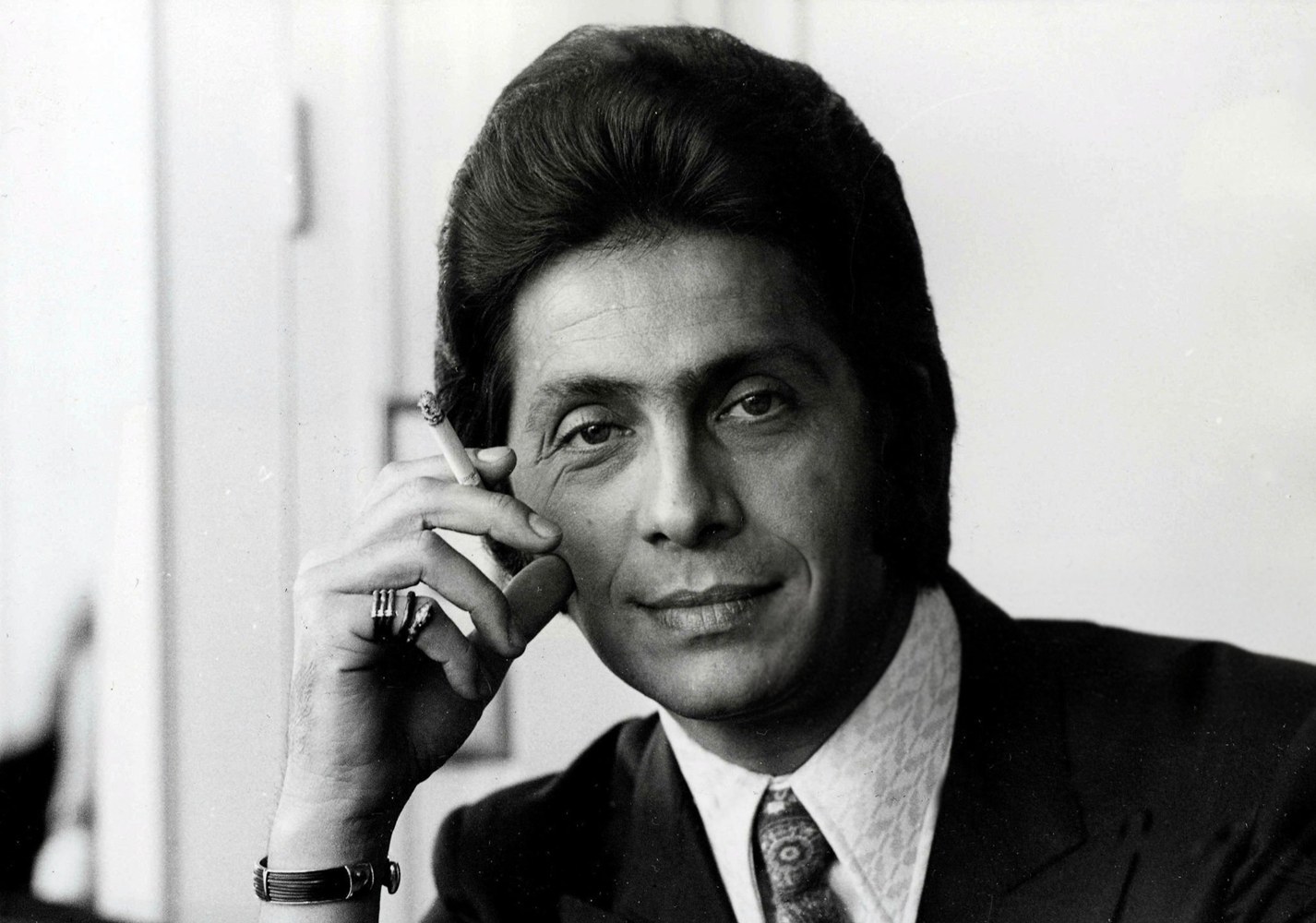
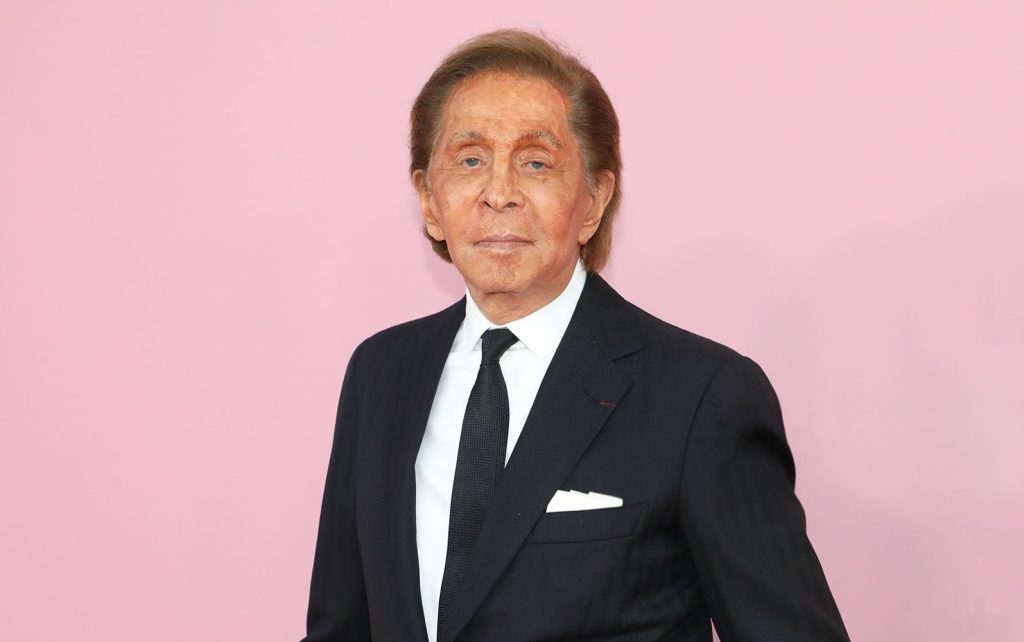
Valentino Garavani, the Italian couturier who shaped modern fashion with an unmatched sense of elegance, romance, and discipline, has died in Rome at the age of 93, according to an announcement from his foundation.
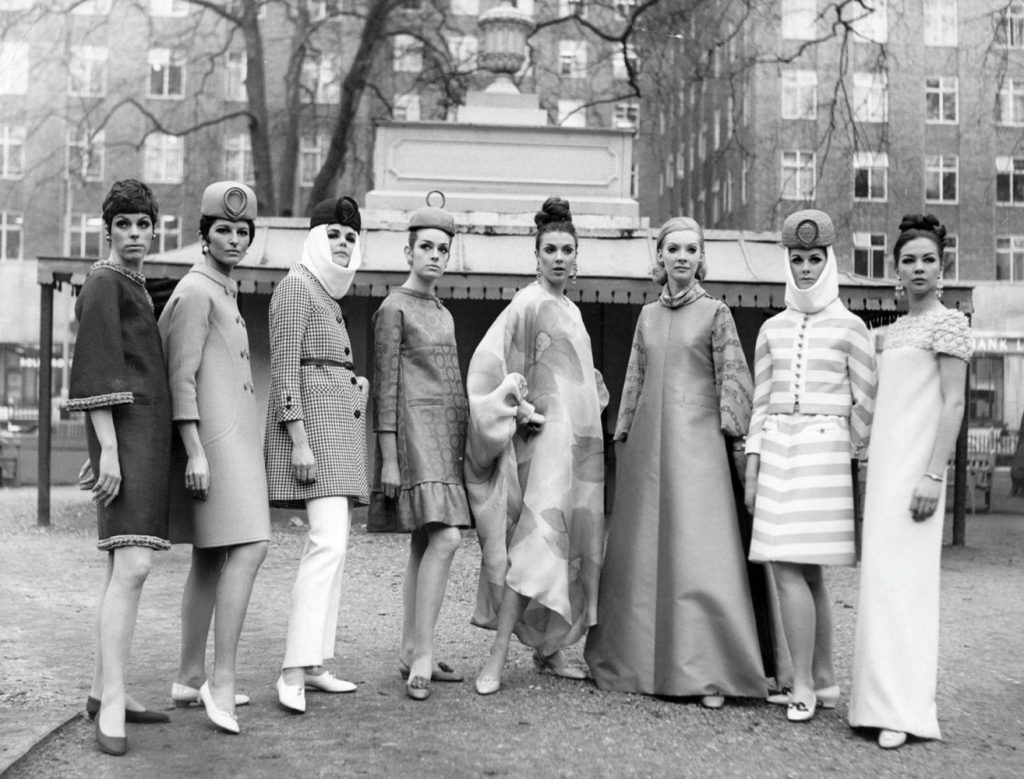
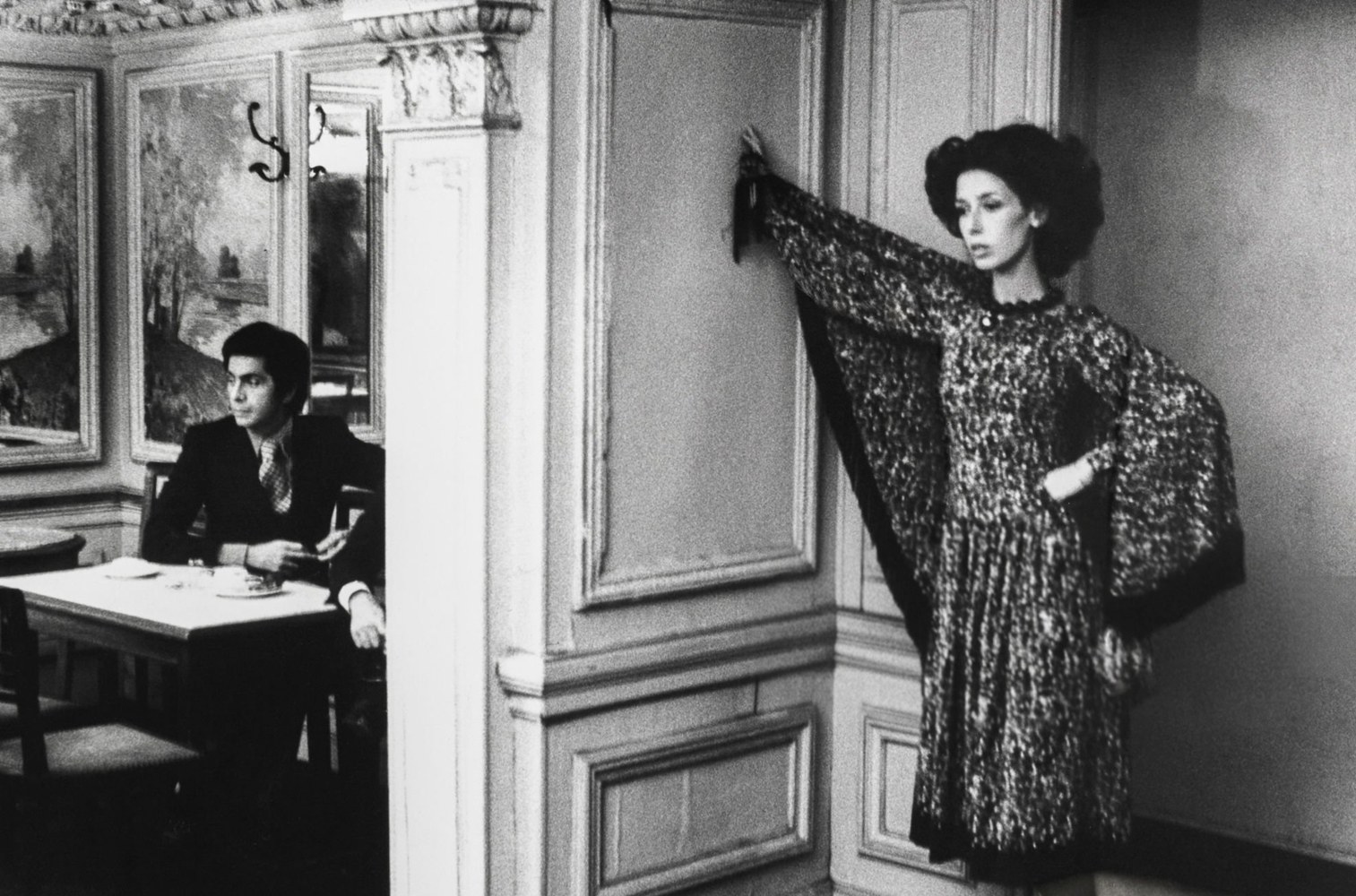
To speak of Valentino is to speak of a designer who created an emotional language through clothing. His work was not only about beauty but about ceremony. Not only about craftsmanship but about romance elevated to an art form. Born in 1932 in Voghera, he trained in Paris before returning to Italy to establish his house in Rome, restoring the city to the center of global couture and proving that Italian glamour could be both poetic and exacting.
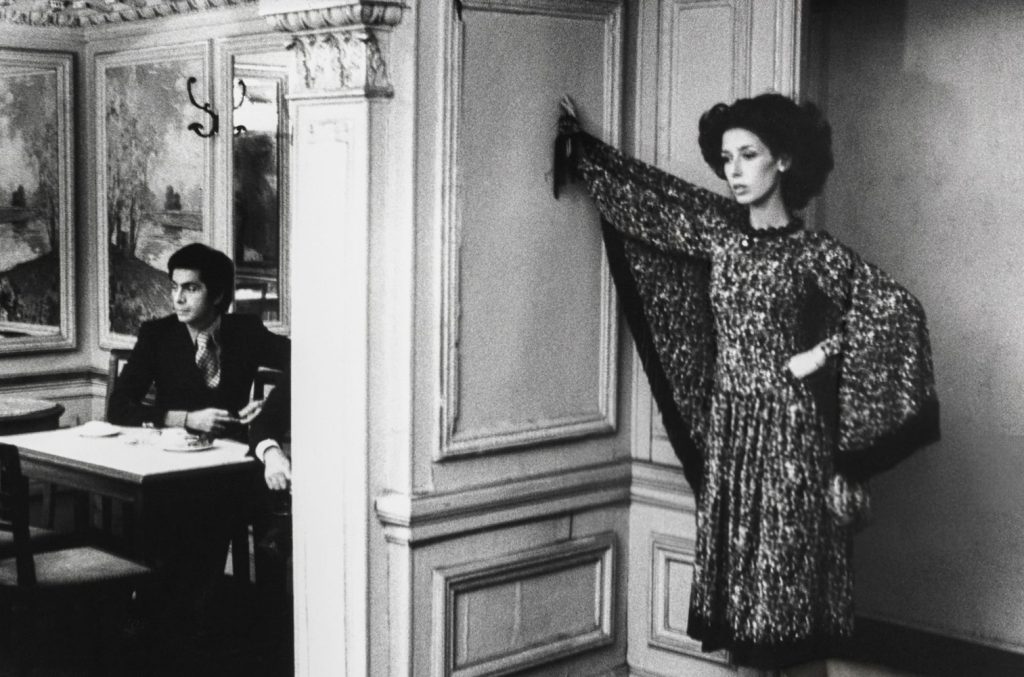
His rise was swift and decisive. Valentino possessed a rare ability to combine technical refinement with theatrical presence, creating collections that felt timeless even at their debut. Over the decades, his clientele became a living archive of twentieth-century power and allure, spanning cinema, royalty, and political life. Jacqueline Kennedy Onassis played a pivotal role in shaping his international reputation, wearing Valentino in a way that translated Roman grandeur into global modernity.
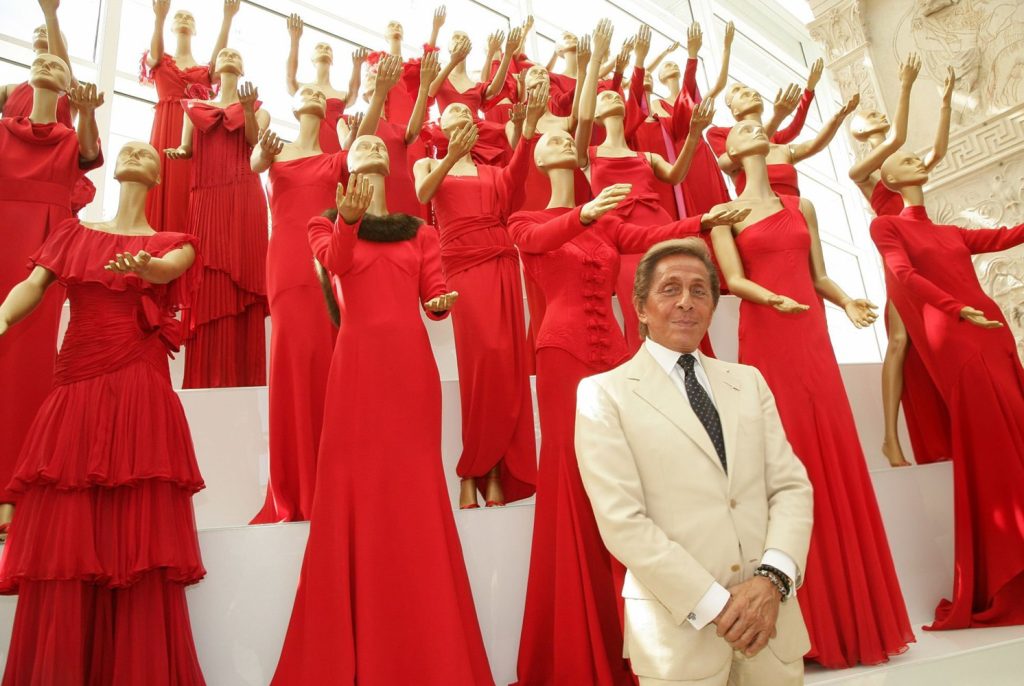
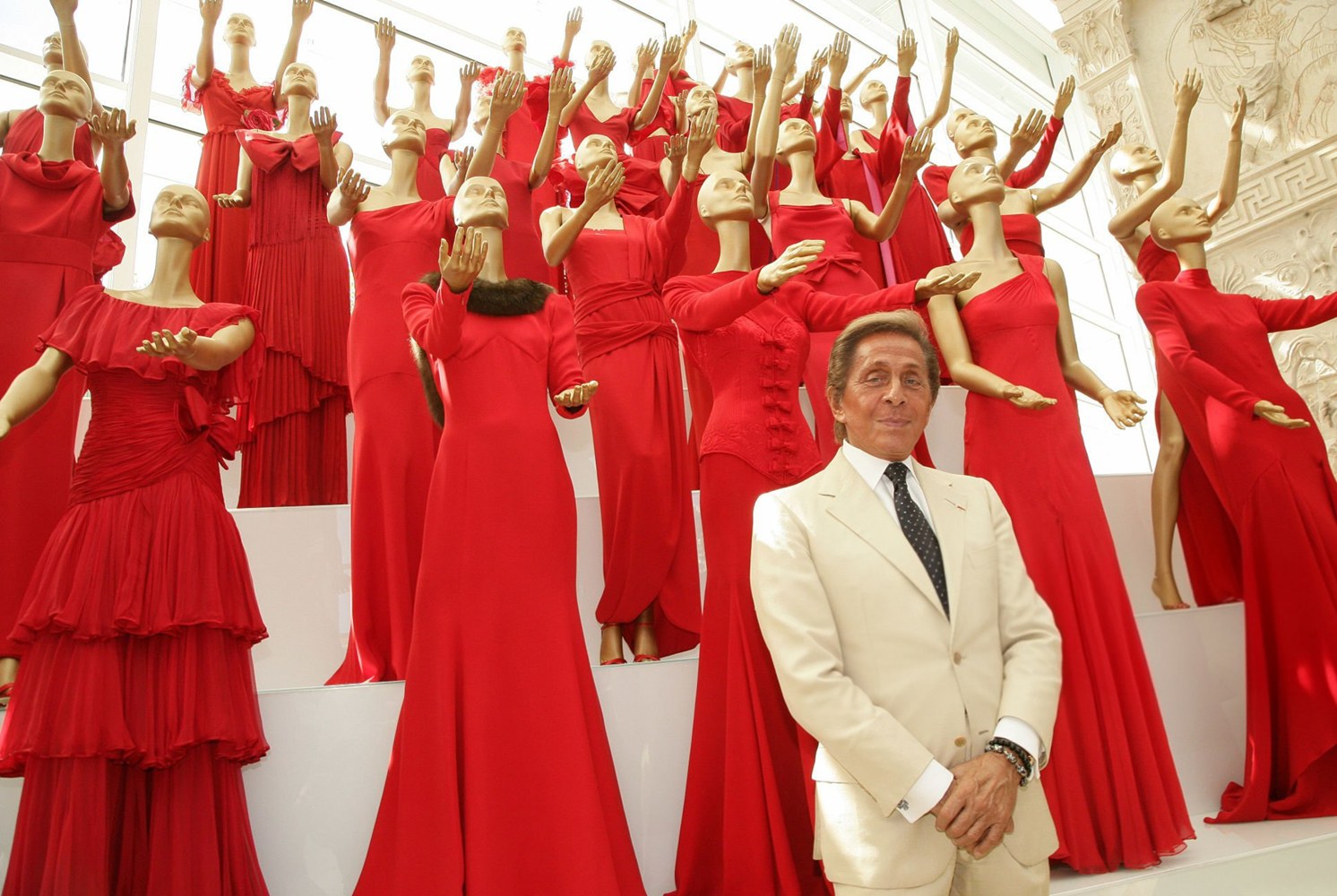
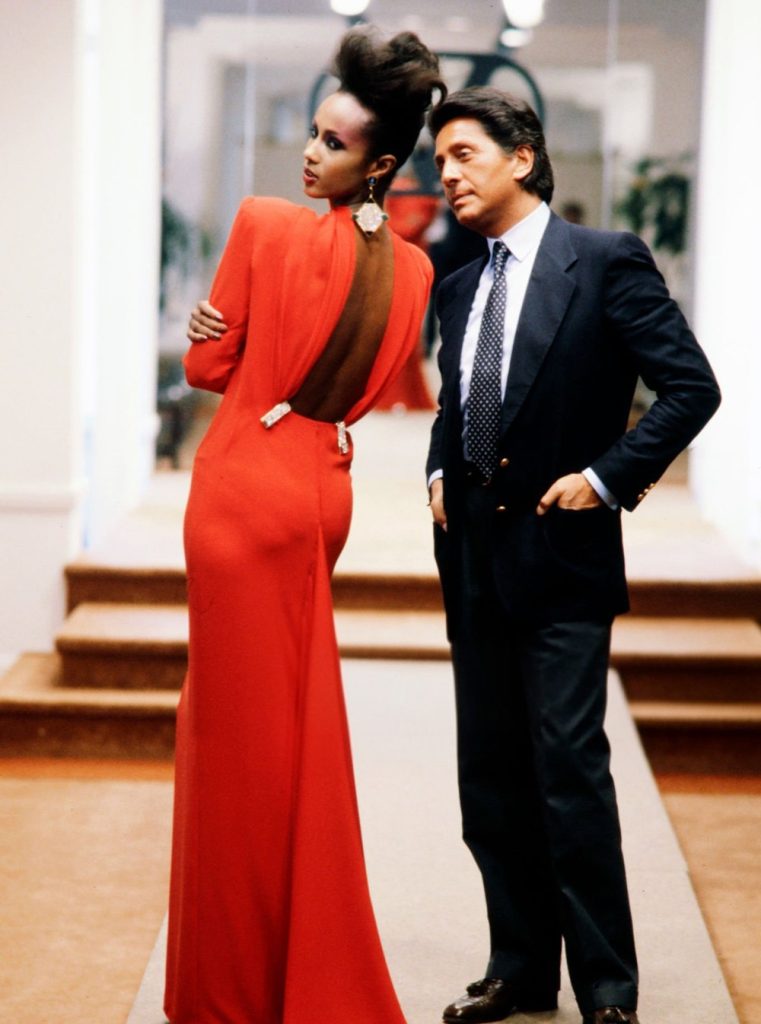
Few designers in history have been so closely associated with a single color. Valentino red became more than a signature. It became a declaration. On runways and red carpets alike, it radiated confidence, sensuality, and restraint all at once. In an industry often driven by excess, Valentino used color as precision rather than noise.
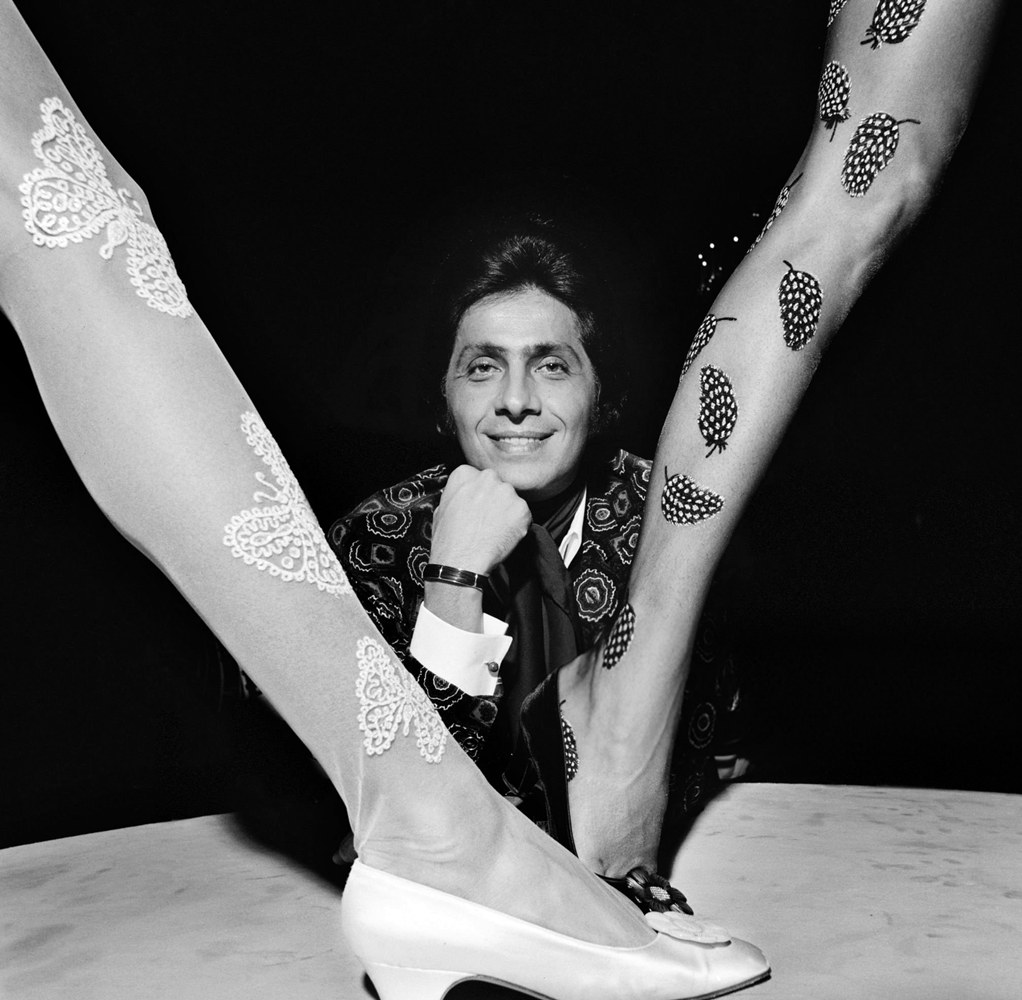
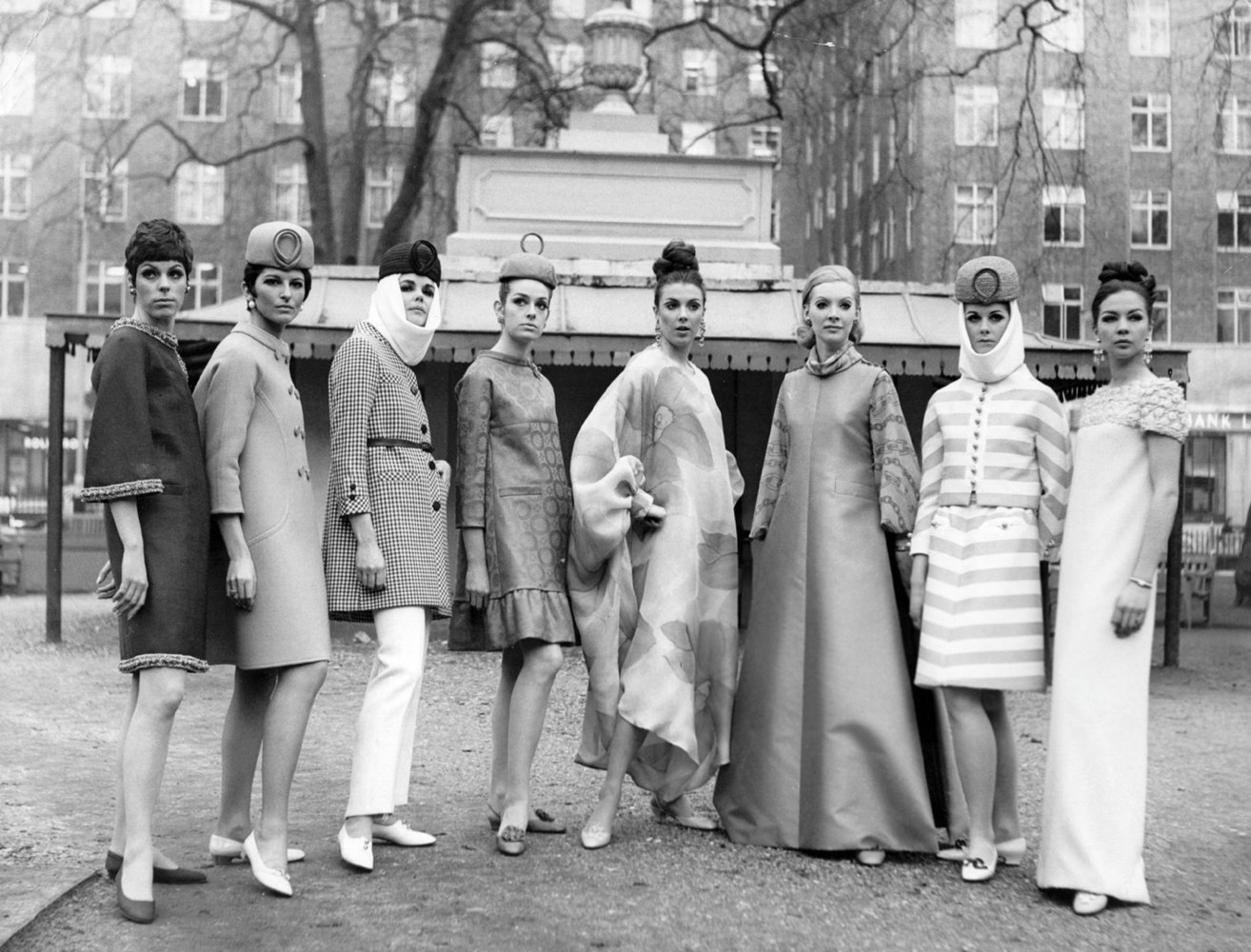
Yet his greatness was never confined to spectacle. He was a master of finish and proportion. Bows were placed with architectural intent. Lace appeared weightless. Embroidery revealed its complexity only upon close inspection. His garments were designed not to chase trends but to endure beyond them, offering a rare definition of timelessness that resisted erosion.
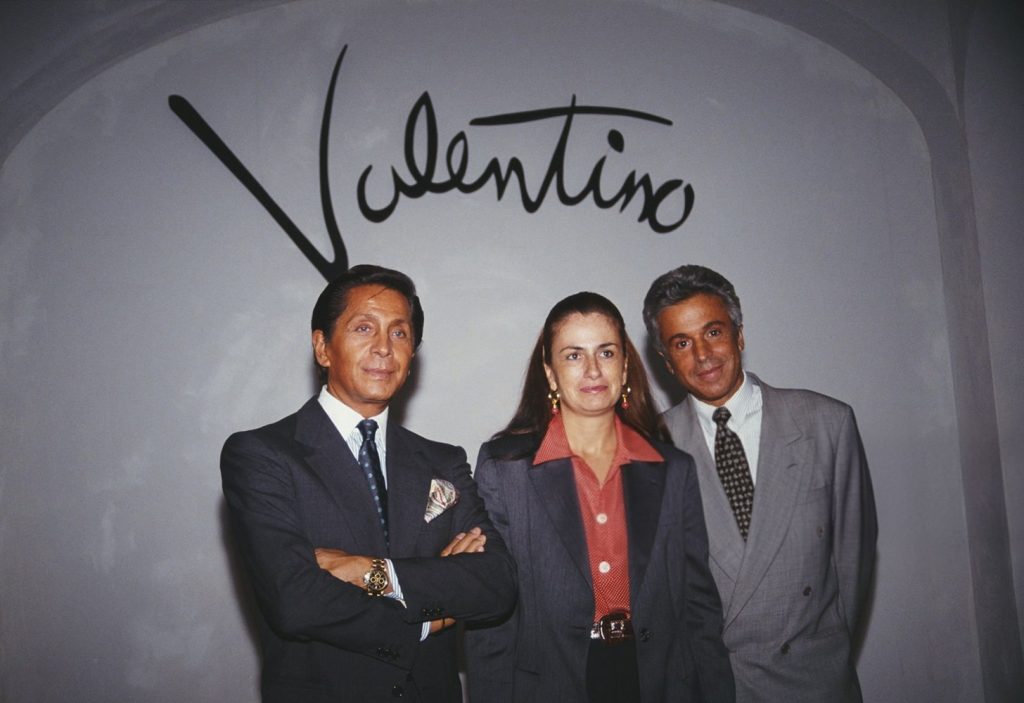
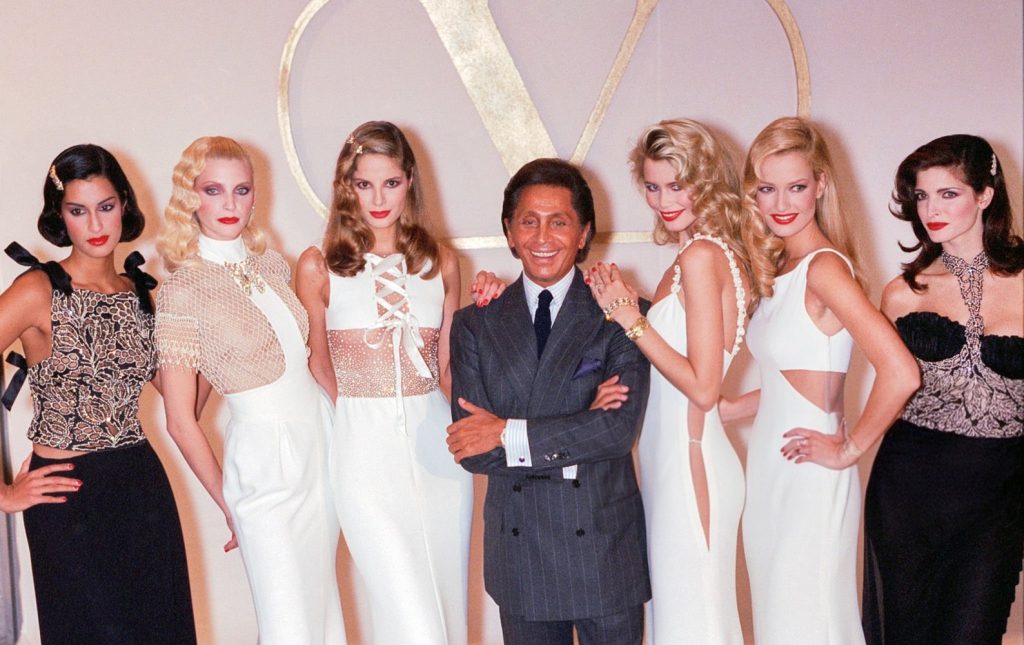
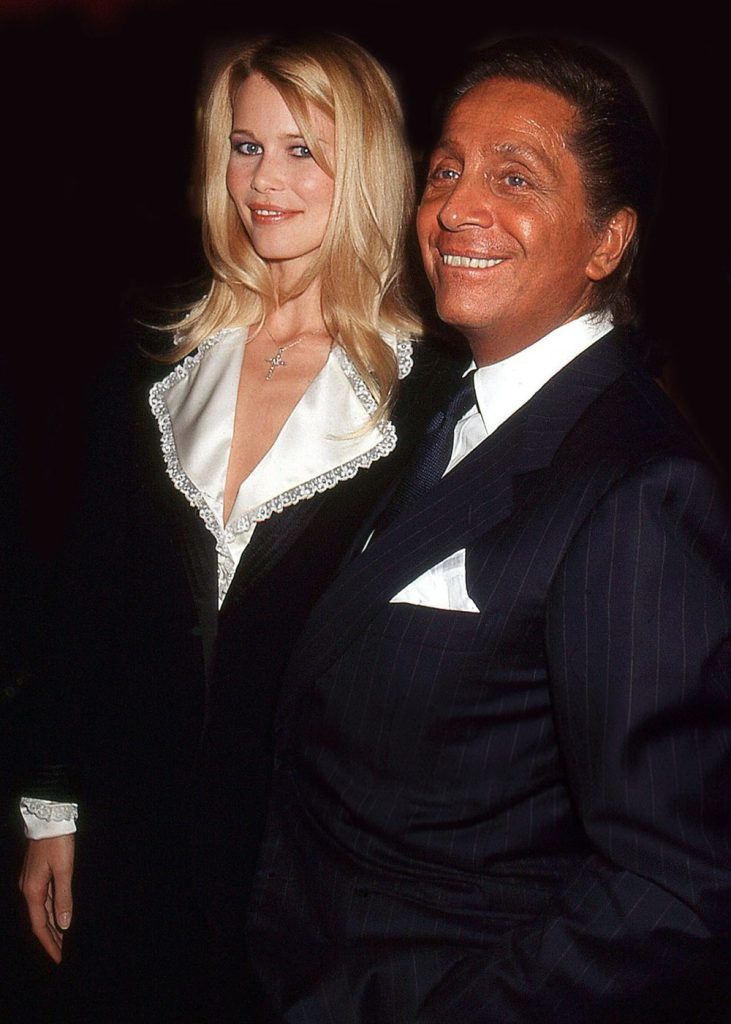
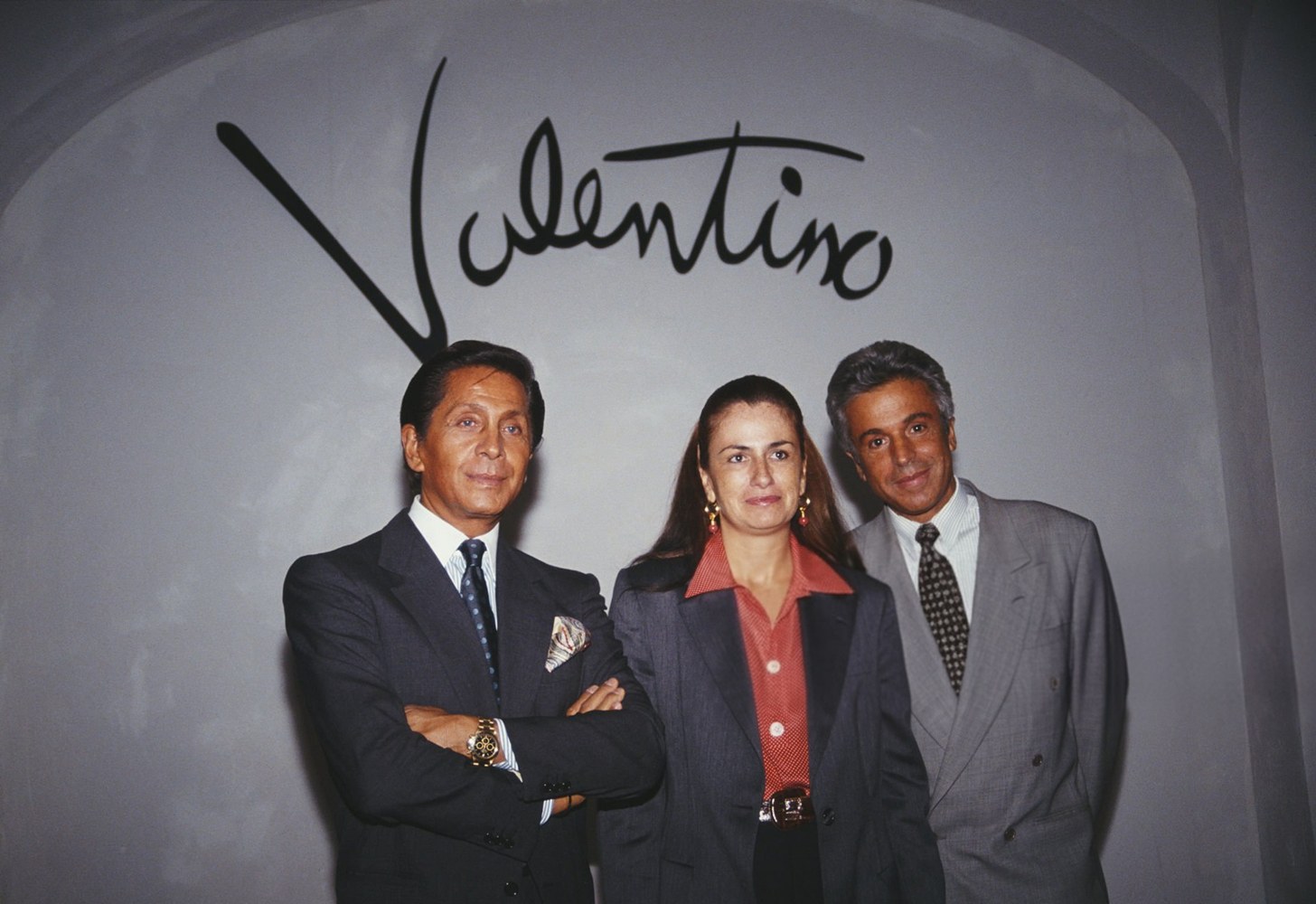
Equally central to his story was Giancarlo Giammetti, his lifelong partner and business collaborator. Together, they transformed a singular creative vision into a global institution. Their partnership extended beyond fashion into art patronage and philanthropy, reinforcing the belief that couture belongs in the same cultural sphere as architecture, painting, and cinema.
Valentino stepped away from the runway after more than four decades, marking his departure with a farewell that felt operatic rather than nostalgic. His later years were captured in the 2008 documentary “Valentino: The Last Emperor,” which revealed both the rigor and tenderness behind the immaculate surface of his world.
The fashion house he founded continued through shifting eras and creative leadership, a testament to the strength of the codes he established. Romance, precision, and disciplined glamour remained its backbone, long after his final bow.
A public farewell and funeral service is expected to take place in Rome, the city that shaped his vision and that he in turn dressed for the world.
In an era that often rewards speed over refinement, Valentino’s legacy stands as a quiet provocation. Take time. Demand perfection. Let elegance speak without explanation. Fashion will continue to move forward, but the spell he cast, that uniquely Roman balance of restraint and emotion, will not easily be replaced. Somewhere, inevitably, a woman in red will enter a room and remind the world why Valentino became a legend.