CON
CON CON
CON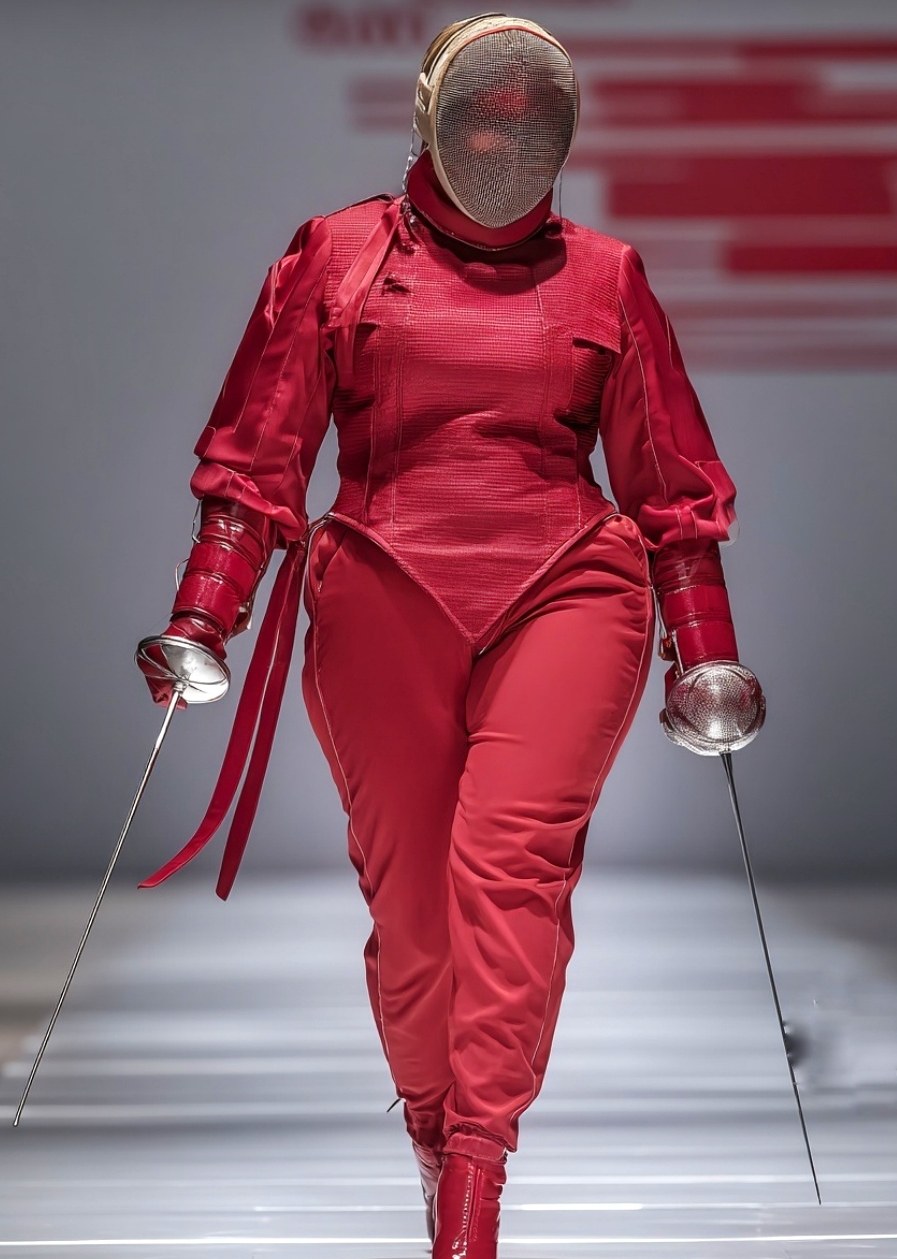

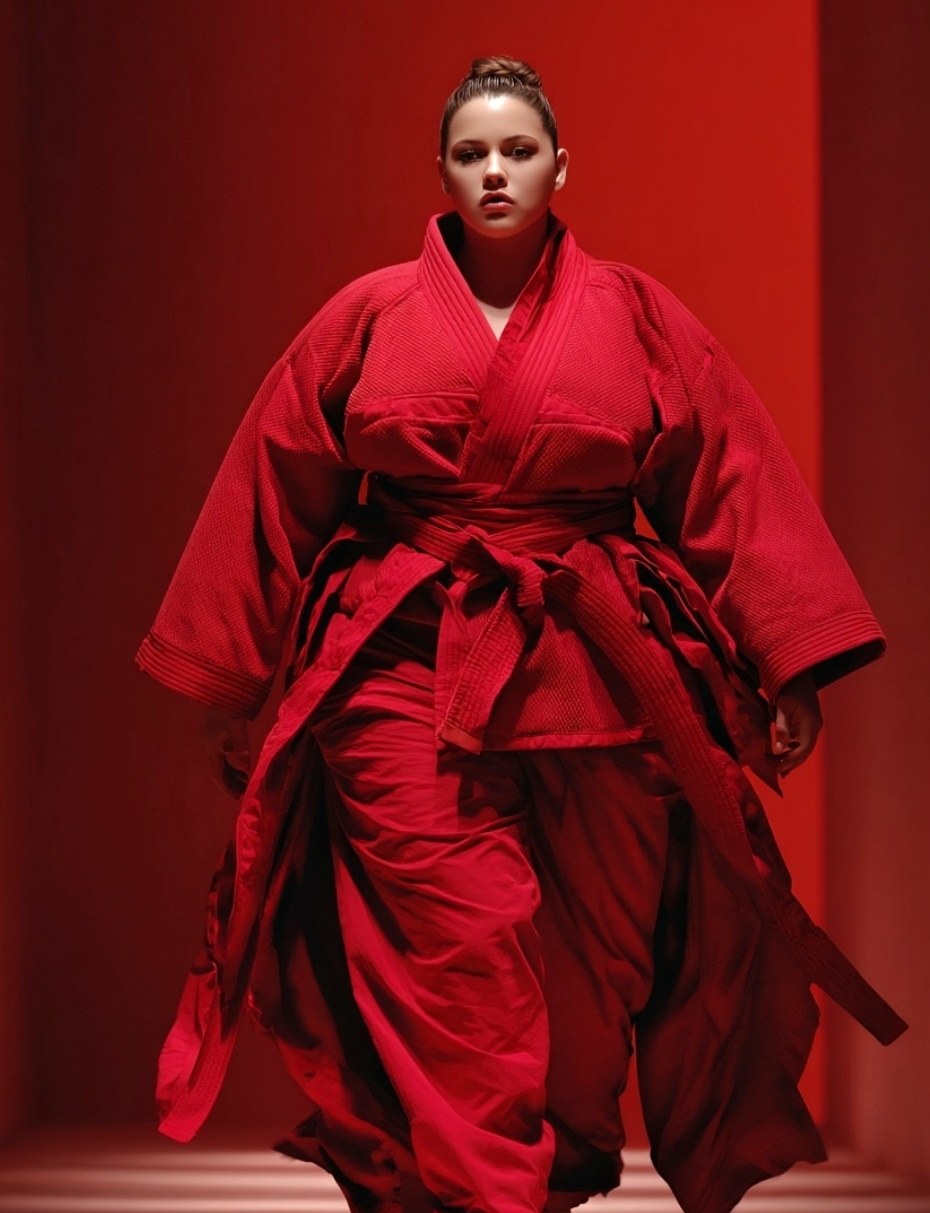
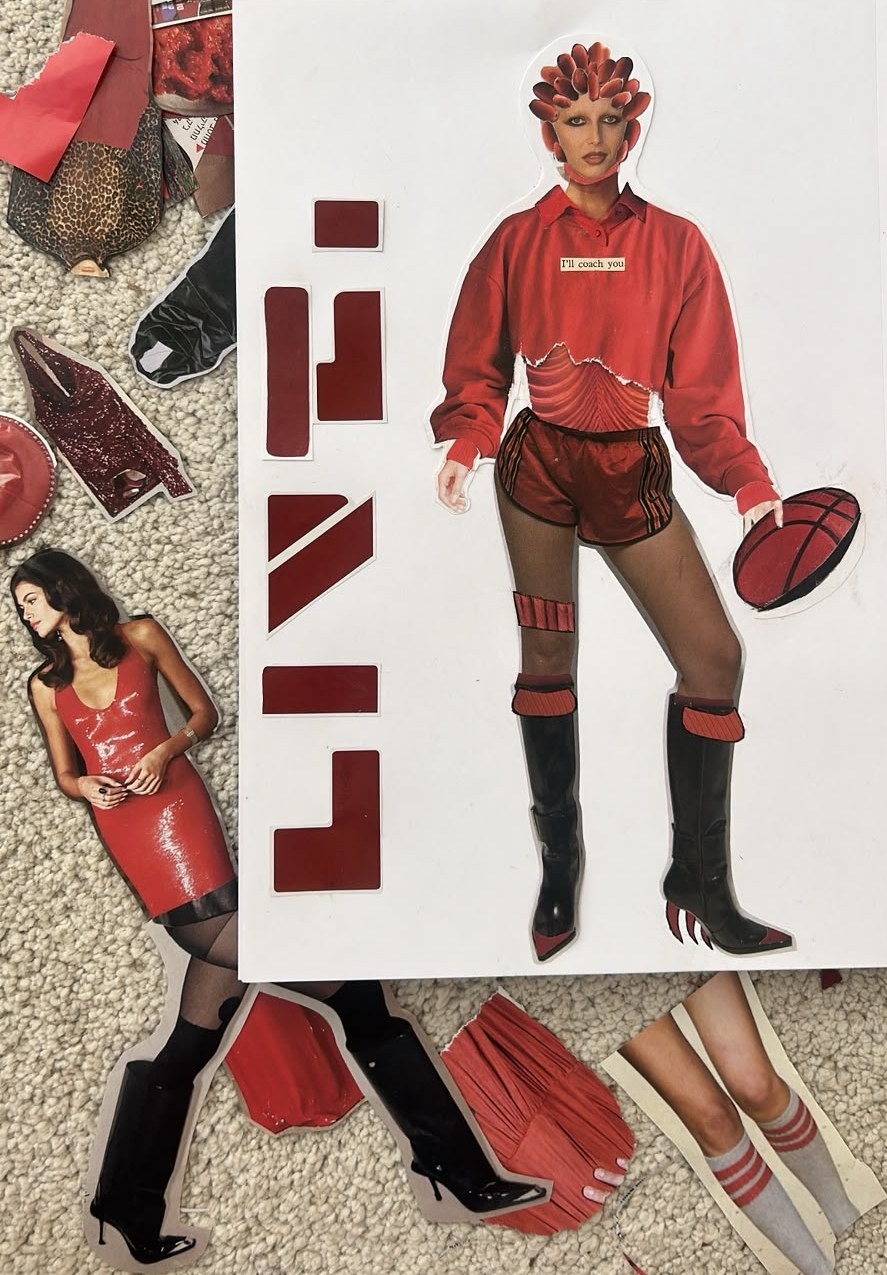

A new collaboration between Bezalel Academy of Arts and Design Jerusalem and “Hapoel” will bring some of Israel’s most accomplished female athletes onto the runway, dressed in student-designed looks inspired by 14 Olympic and Paralympic disciplines.
At Israel Canada Fashion Week Tel Aviv 2026, the runway will become an arena of a different kind. On November 12, a group of leading Israeli sportswomen will step away from competition and training to take part in a fashion presentation exploring the relationship between the athletic body, performance and contemporary design.
Initiated by Fashion Week founder and producer Motty Reif, the project marks the first collaboration of its kind between Bezalel Academy of Arts and Design Jerusalem and “Hapoel“, bringing together two institutions celebrating significant anniversaries: 120 years of Bezalel and 100 years of Hapoel.
At the center of the project are students from Bezalel’s Department of Jewelry and Fashion, headed by Shanit Elkayam Adam, who were asked to design clothing around 14 Olympic and Paralympic sports. The resulting pieces will be presented not by conventional runway models, but by athletes whose careers have been shaped by the disciplines the clothes reference.
Among those taking part are Olympic rhythmic-gymnastics champion Linoy Ashram; Olympic taekwondo medalist Avishag Semberg; former Olympic tennis player Tzipi Obziler; and former footballer and sports commentator Oshrat Eni.
Rather than treating sportswear as an aesthetic shorthand, the project began with the mechanics of performance. Over several months, students studied the physical demands of individual disciplines, range of movement, pressure points, friction, ventilation, weight, stretch, durability and the ways in which a seam or silhouette can either enable the body or restrict it.
Those functional requirements became a design vocabulary. Weightlifting calls for stability and strength; sailing introduces wind, water and rapidly changing temperatures; taekwondo depends on near-unrestricted movement through the hips and legs; gymnastics brings another consideration altogether, with the visual impact of the garment becoming part of the performance itself.
Working with faculty including Shelly Satat-Kombor, Doron Ashkenazi, Aner Shevach and Gilad Yona, the students were encouraged to move beyond conventional sports uniforms and translate those technical codes into new propositions in material, proportion, color and silhouette.
The result sits somewhere between performance wear and fashion experimentation, a study of what happens when clothes designed for bodies in extreme motion are reconsidered through an editorial lens.
The choice to place women’s sport at the center of the show is equally deliberate. Globally, the category is experiencing a profound shift: audiences are expanding, brands are investing more seriously, broadcast opportunities are growing and female athletes are increasingly becoming cultural figures far beyond the competitions in which they participate.
The Tel Aviv presentation also intends to widen the frame. Alongside familiar disciplines such as football, tennis and sailing, the runway will draw attention to sports that rarely receive comparable visibility, including women’s rugby, weightlifting, fencing, acrobatics and Paralympic kayaking.
For Kineret Tzedef, Director General of Hapoel, that visibility is part of a larger change already taking place internationally: women’s sport can no longer be treated as a niche.
And within the context of Fashion Week, that makes the project more than an exercise in sportswear. It is an exploration of the female body not as an object to be dressed, but as an instrument of strength and precision.