CON
 CON
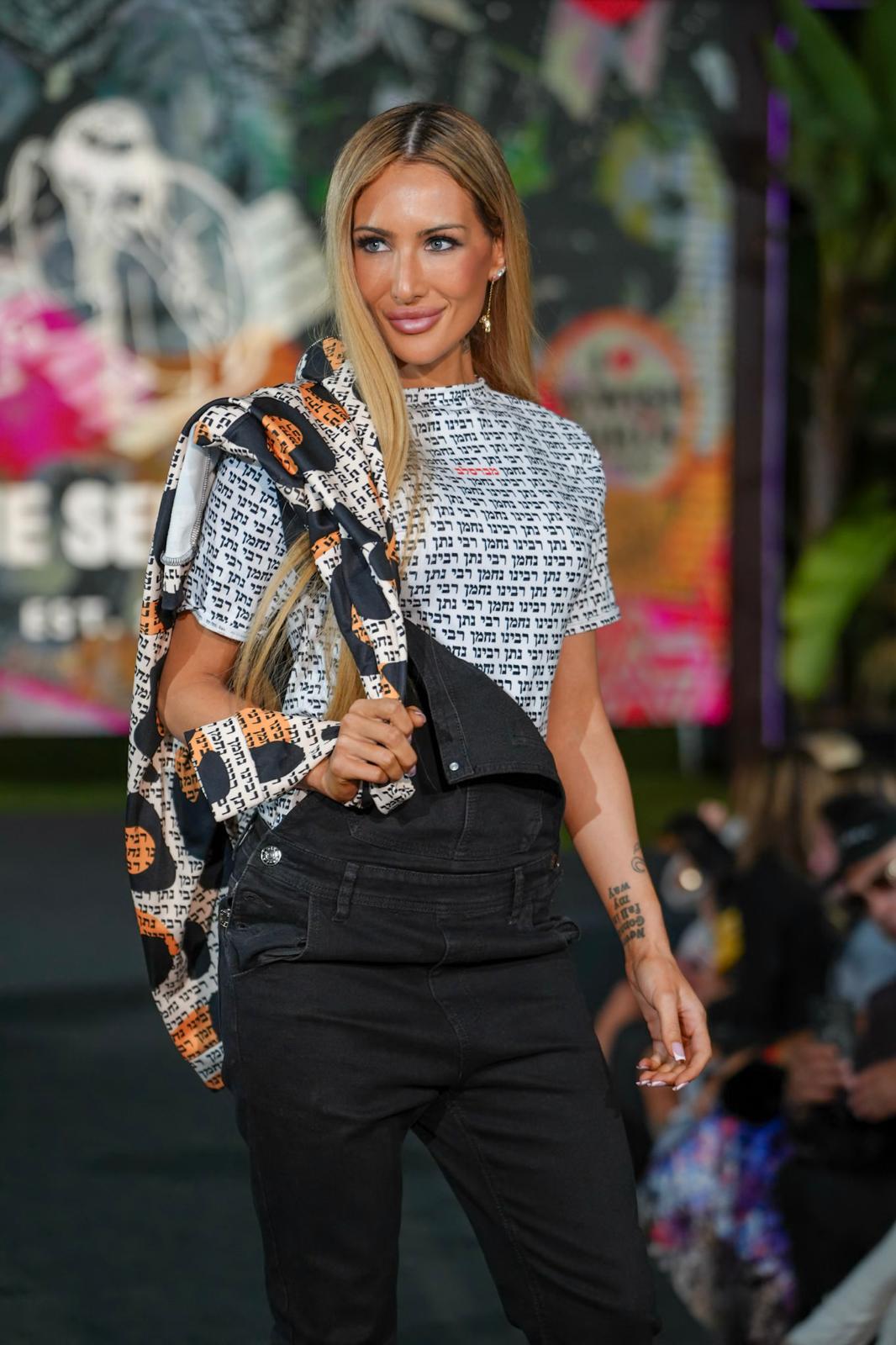
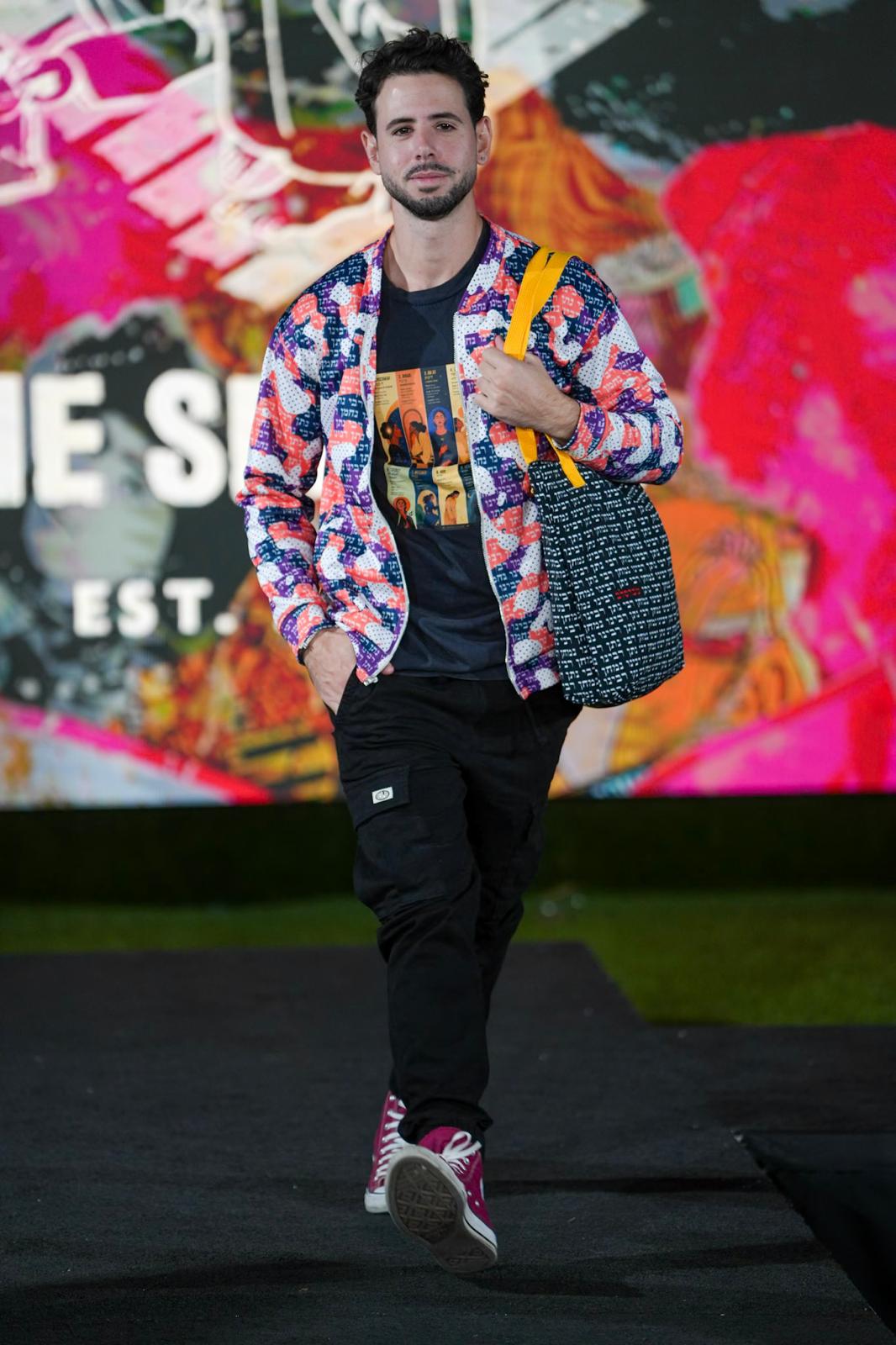
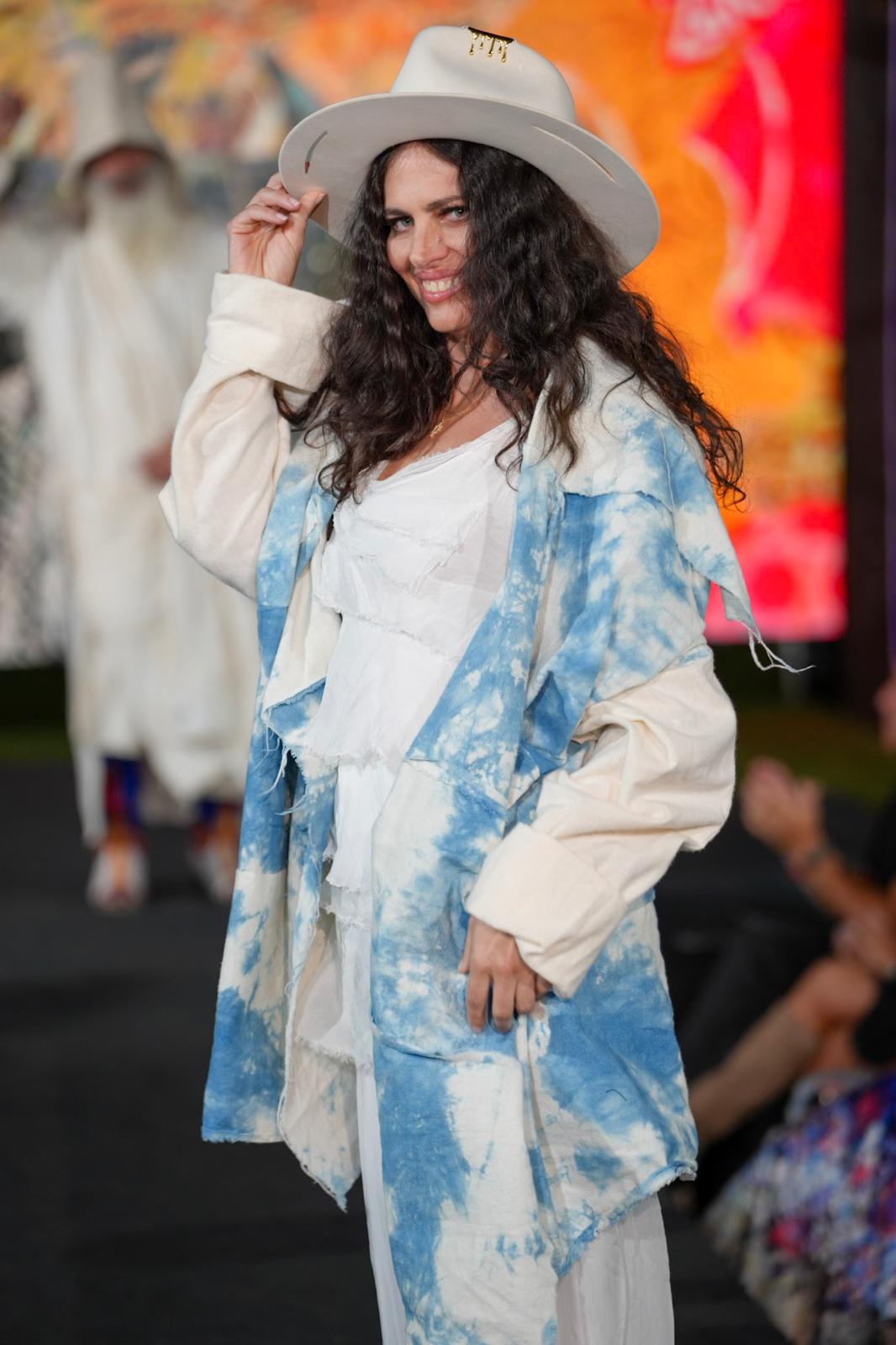
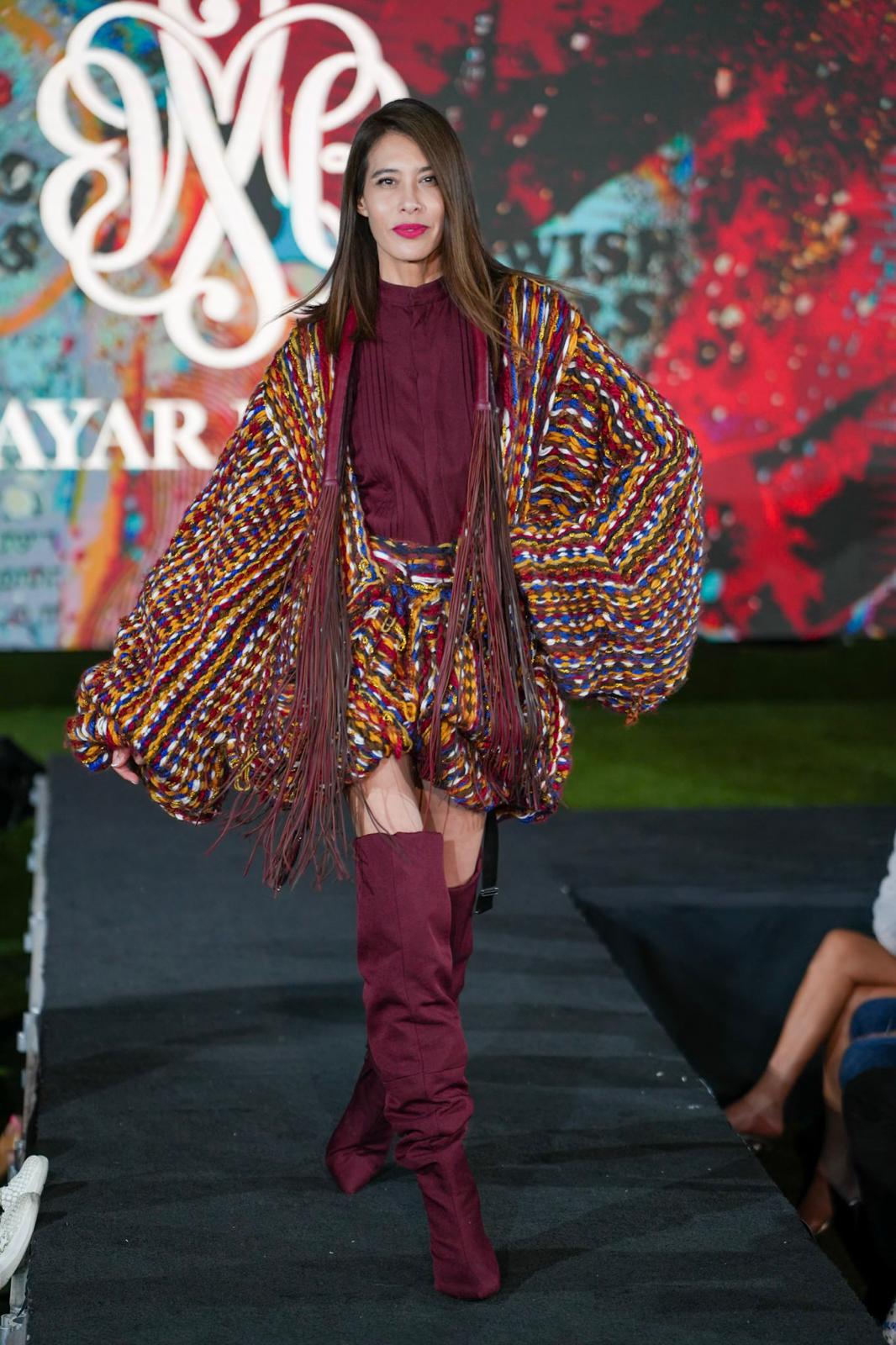
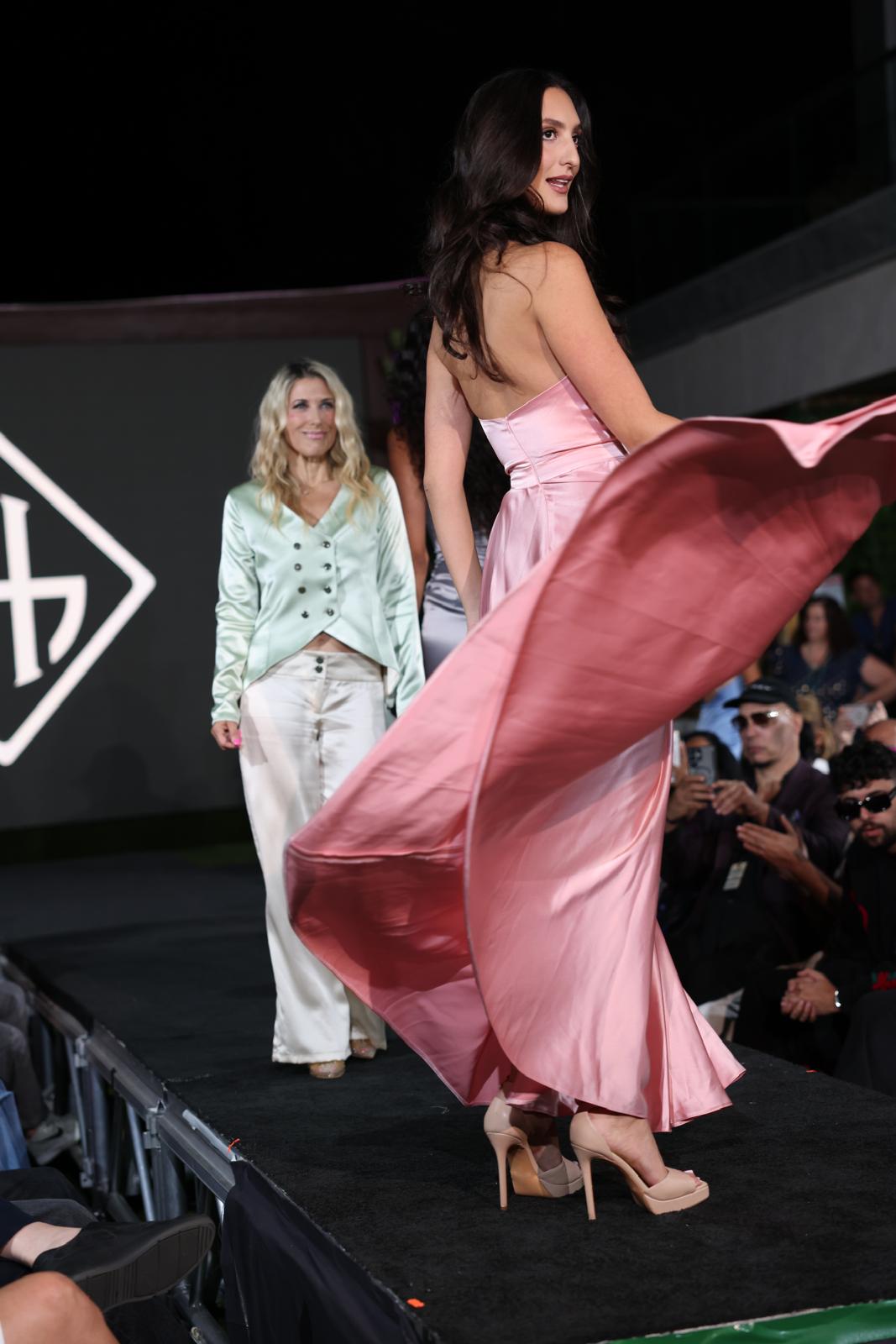
Against the Pacific Ocean, Los Angeles Fashion Week welcomed I Love Jewish Girls for an evening of extraordinary design, artistic expression, and a community with plenty to celebrate.
The first thing to command the runway in Malibu wasn’t a model. It was the sound of a Shofar.
An unexpected beginning for a fashion show, perhaps, but then very little about this particular Sunday evening followed the usual script. At Rafi Lounge, overlooking the Pacific Coast Highway, a sold-out audience gathered for something that felt at once glamorous, deeply personal, and refreshingly different from Fashion Week’s familiar rituals.
On October 18, I Love Jewish Girls made its Los Angeles Fashion Week debut, bringing together designers, artists, entertainers, and creative personalities for a celebration that seemed perfectly at home in California’s famously eclectic fashion landscape.
There were beautiful clothes, certainly. But there was also laughter, music, tradition, and a wonderful sense of people coming together around something they genuinely cared about.
Mexican-Jewish artist Alejandro Glatt conceived the project, whose wonderfully uncomplicated idea began with an “I Love Jewish Girls” T-shirt and gradually grew into an international fashion platform. Following appearances at Miami Swim Week and New York Fashion Week earlier this year, Los Angeles marked another exciting chapter in its evolution.
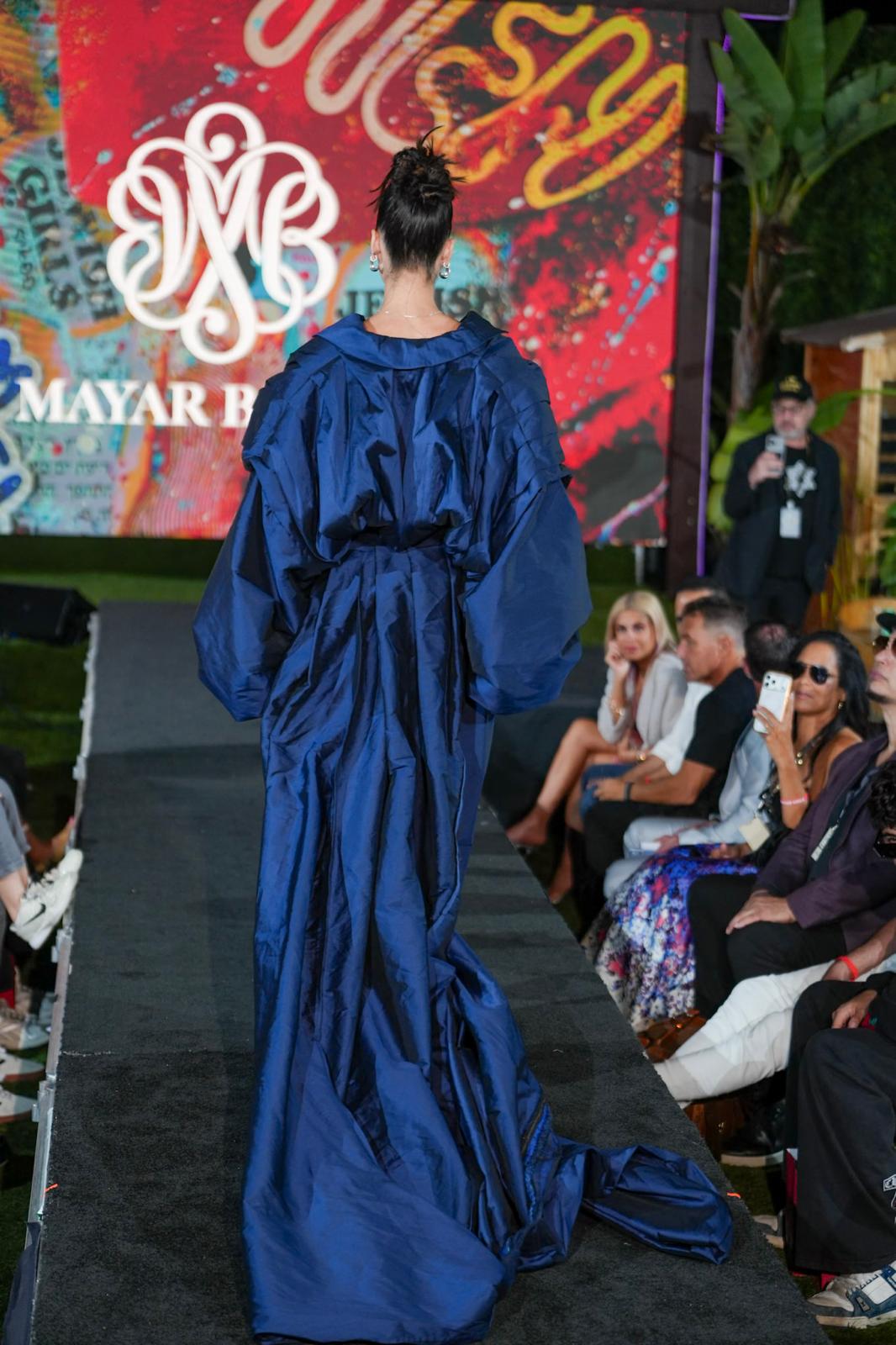
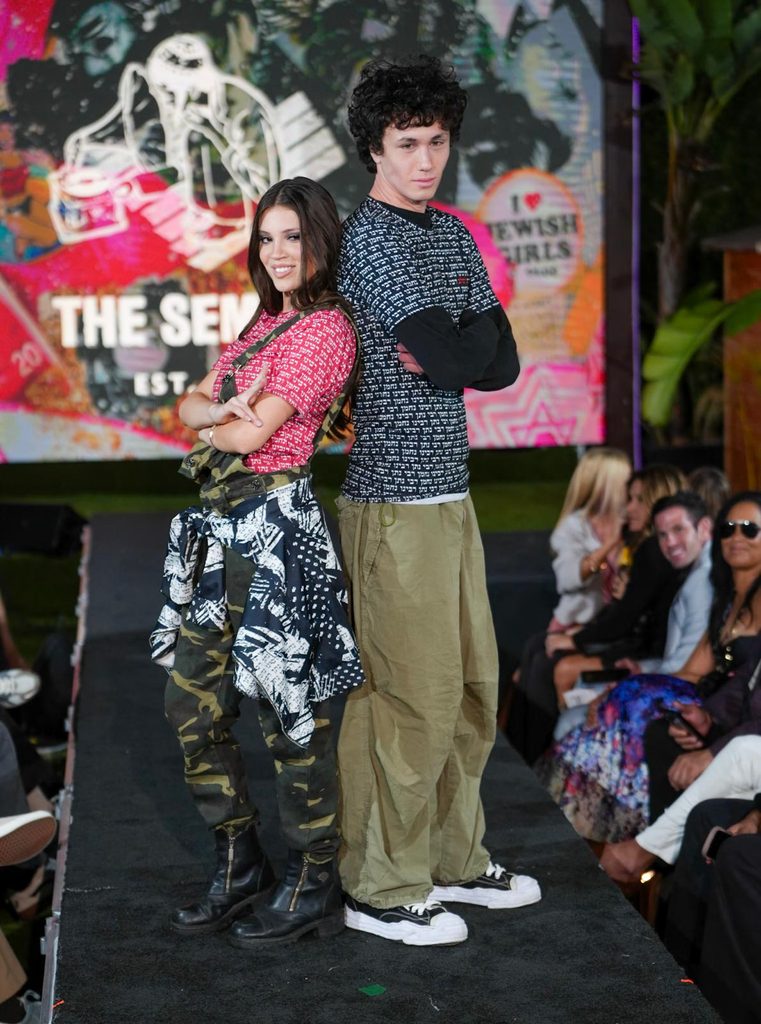
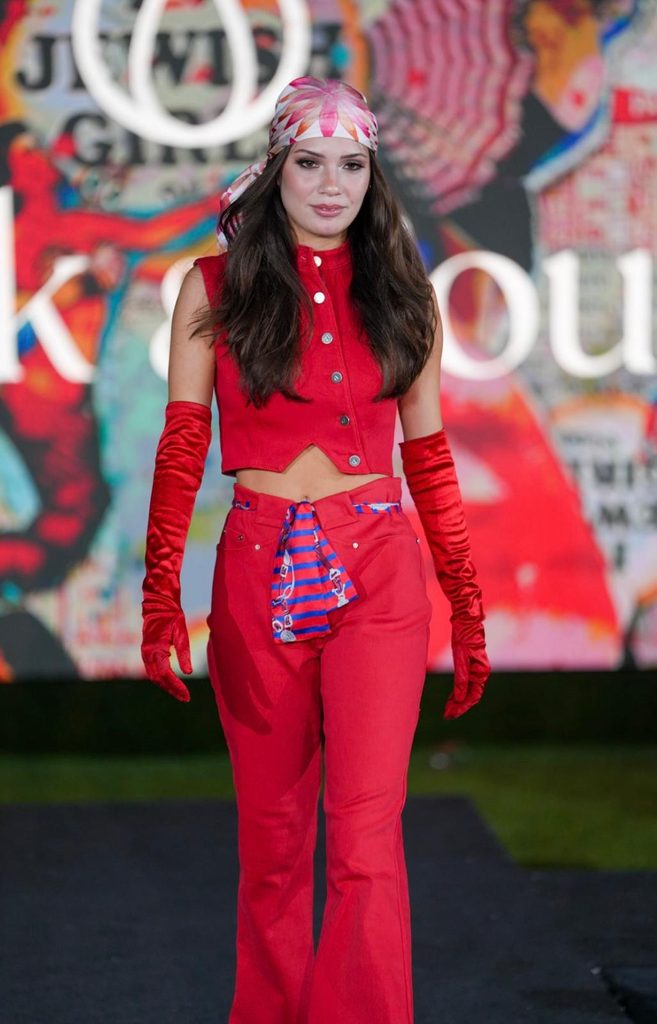
Glatt’s artistic fingerprints were everywhere. His animated collages, inspired by Eshet Chayil, the Woman of Valor, transformed the runway backdrop into an ever-changing celebration of Jewish women throughout history. The imagery brought a contemporary pop-art sensibility to centuries of cultural memory, creating an intriguing visual dialogue with the fashions passing in front of it.
The opening ceremony offered its own memorable moments. Shofar Shoshana brought a note of tradition to the occasion, followed by performances of the American and Israeli national anthems by Hodaya and Josephine Tehrani. Comedian Elon Gold helped set the evening in motion, bringing his unmistakable personality to the stage.
Then, naturally, came the fashion.
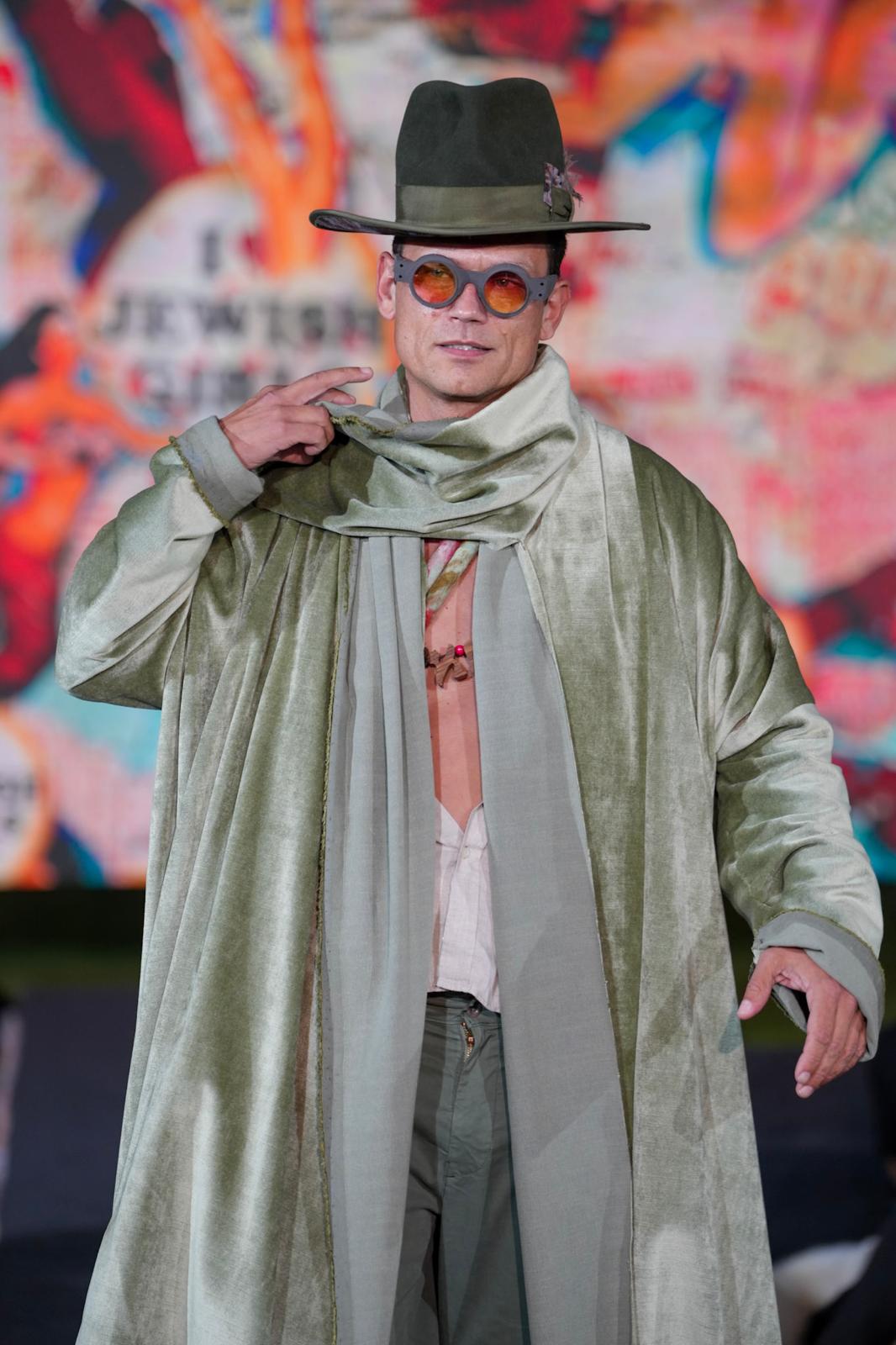
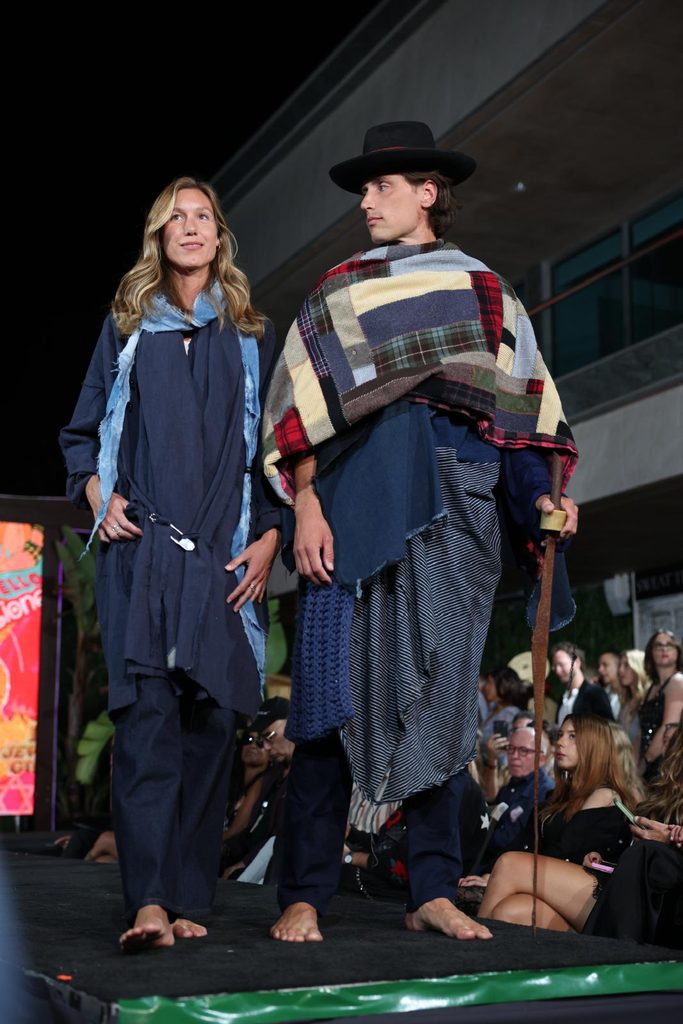
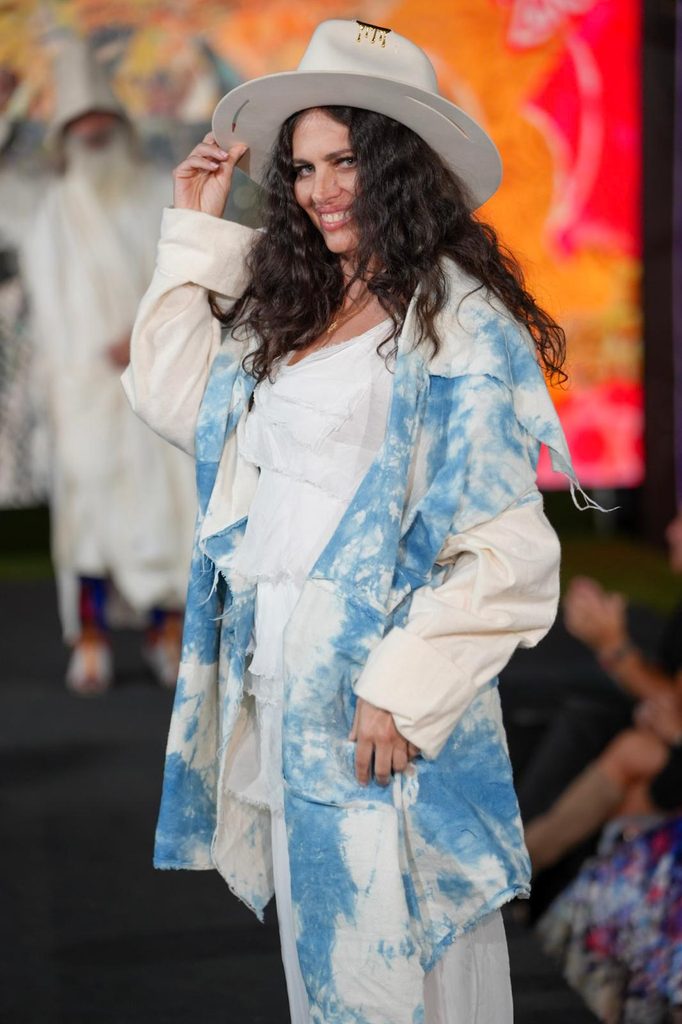
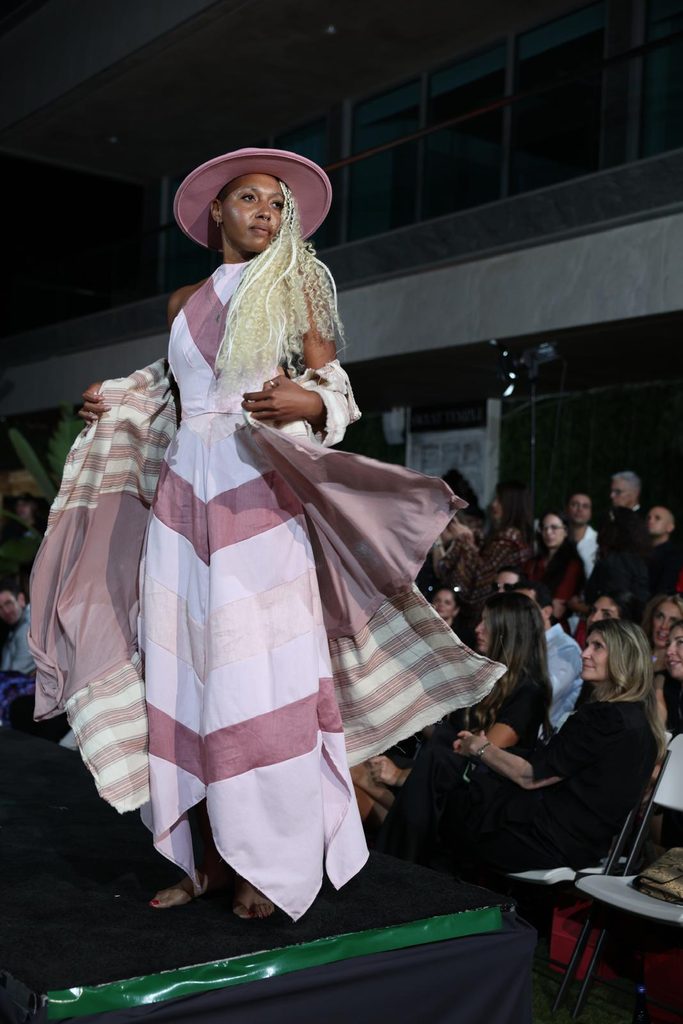
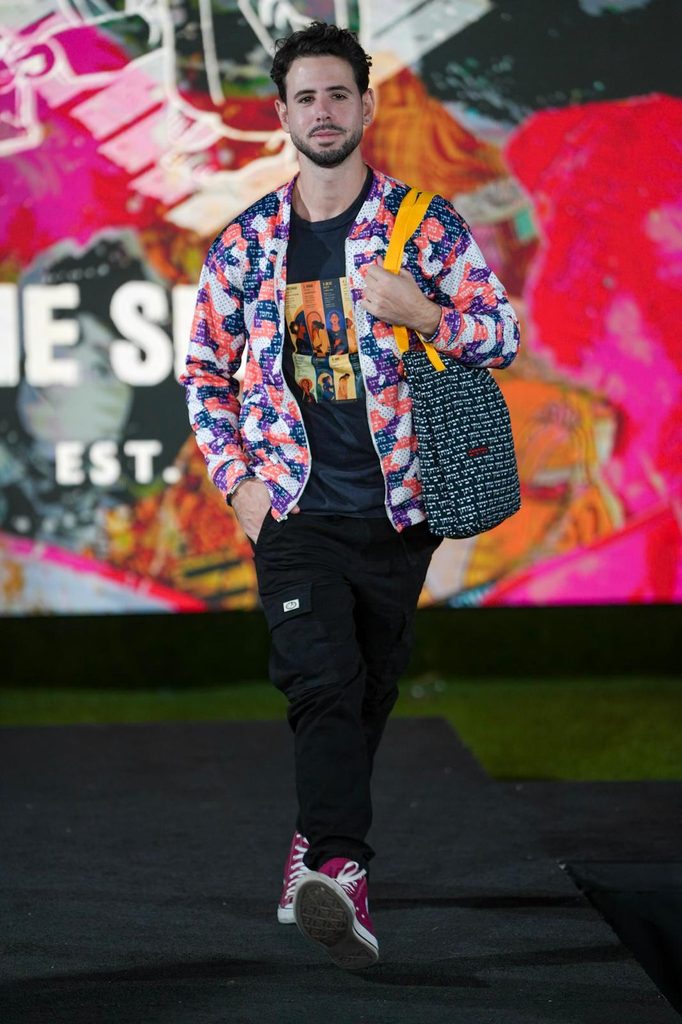
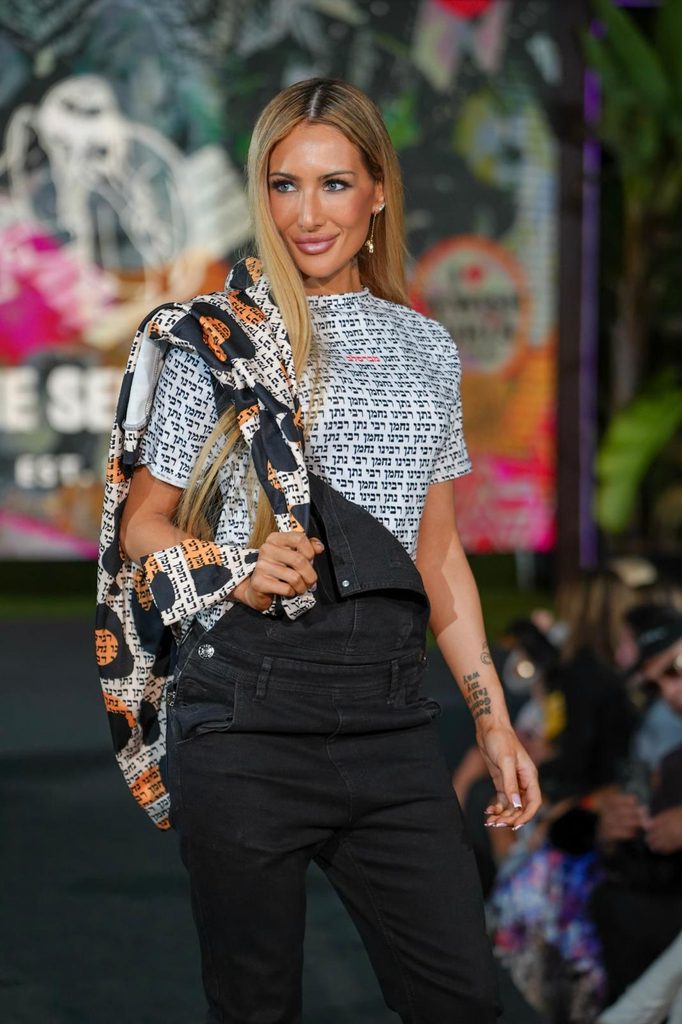
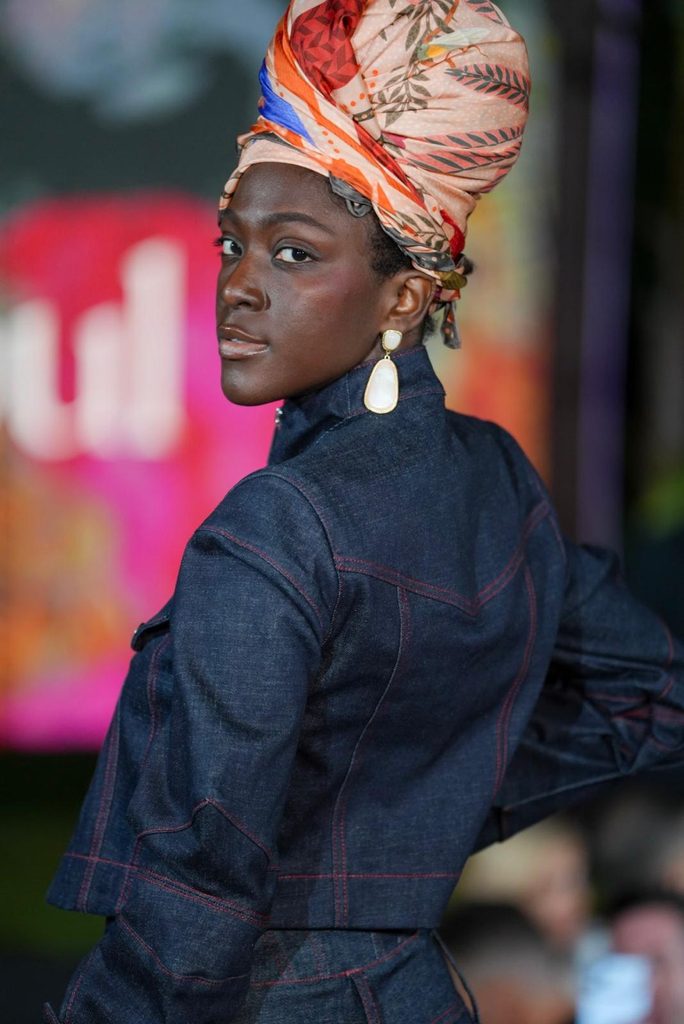
What made the collections particularly enjoyable was their refusal to conform to a single aesthetic. This was a lineup in which elaborate craftsmanship could coexist comfortably with casual streetwear, modest dressing could share the spotlight with expressive contemporary fashion, and personal identity could be explored through something as simple as a denim jacket.
Among the most compelling appearances were two graduates of Israel’s prestigious Shenkar College of Engineering, Design and Art.
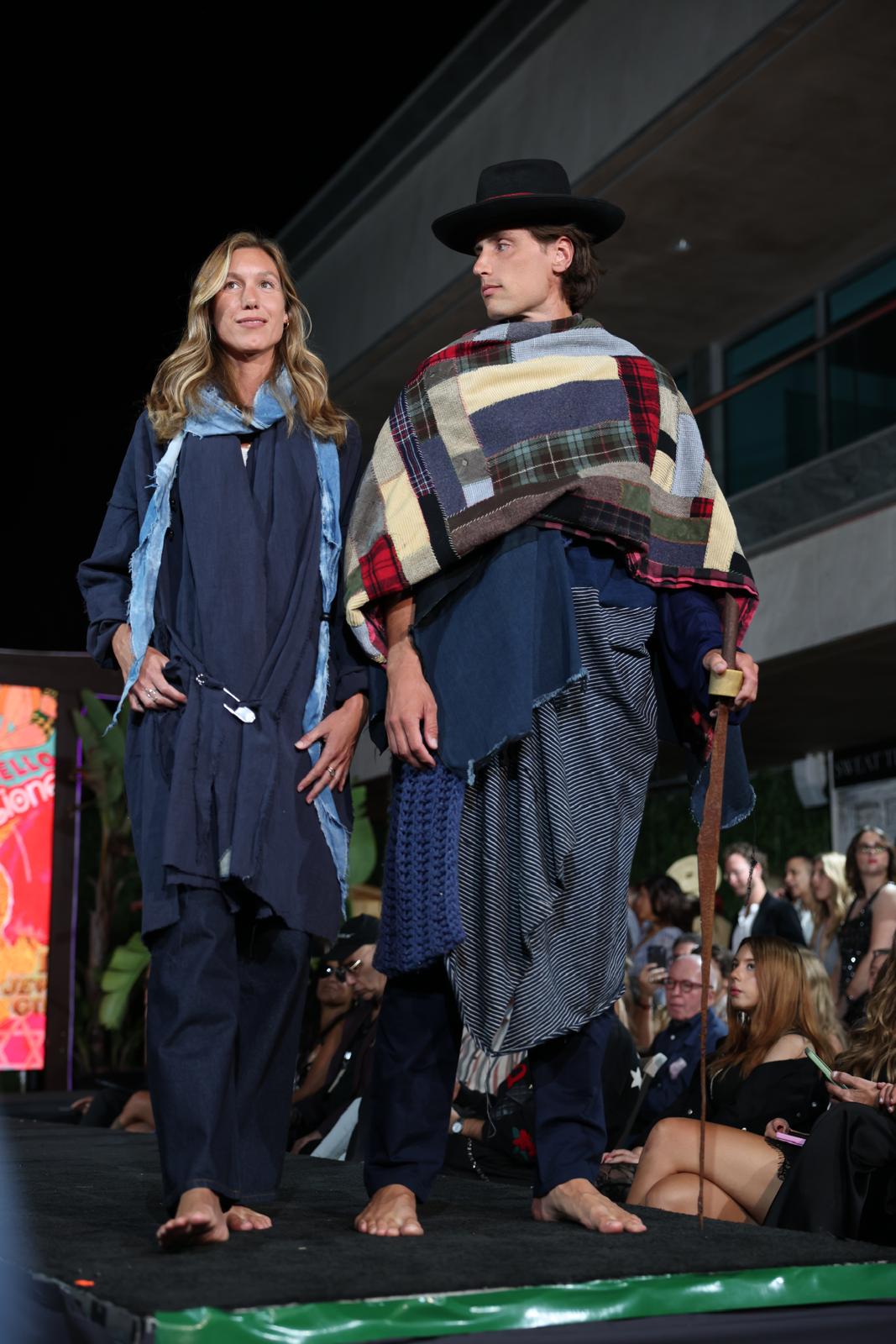
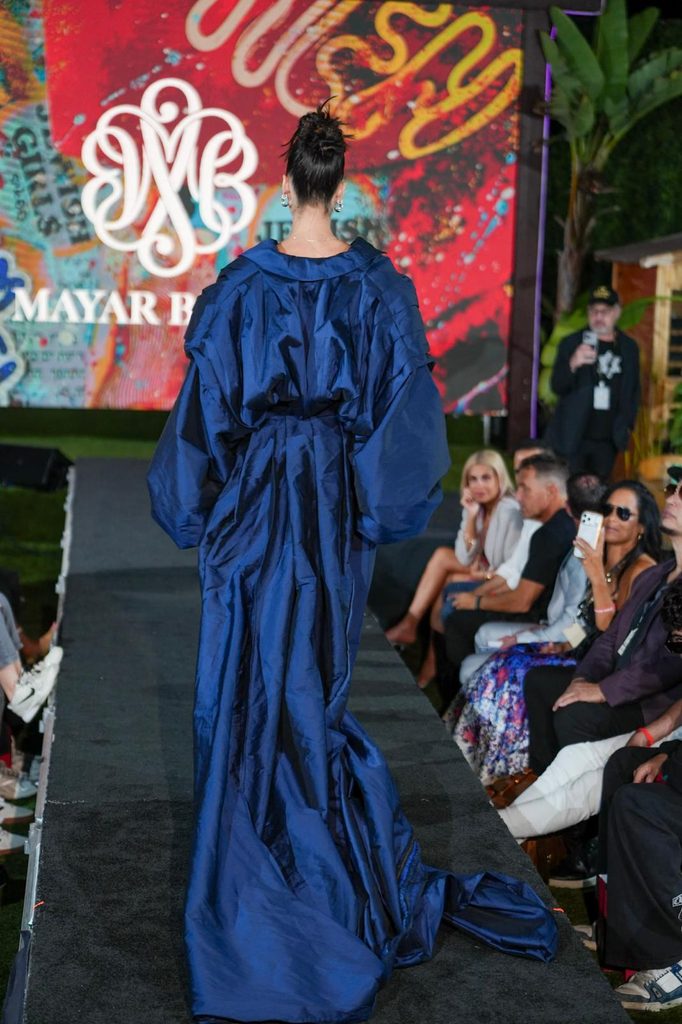
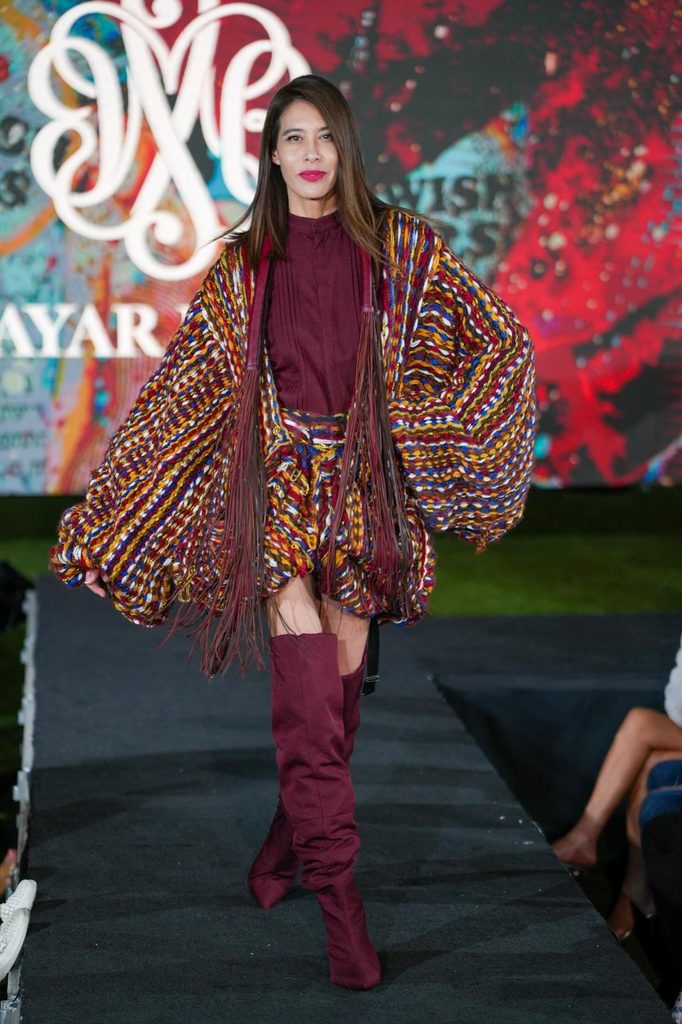
Mayar Barkat offered a striking exploration of texture and construction, with sculptural garments that rewarded a second look. Her oversized patchwork pieces and richly colored hand-woven coat demonstrated a flair for unexpected proportions, combining a confident contemporary attitude with the intimacy of traditional craft.
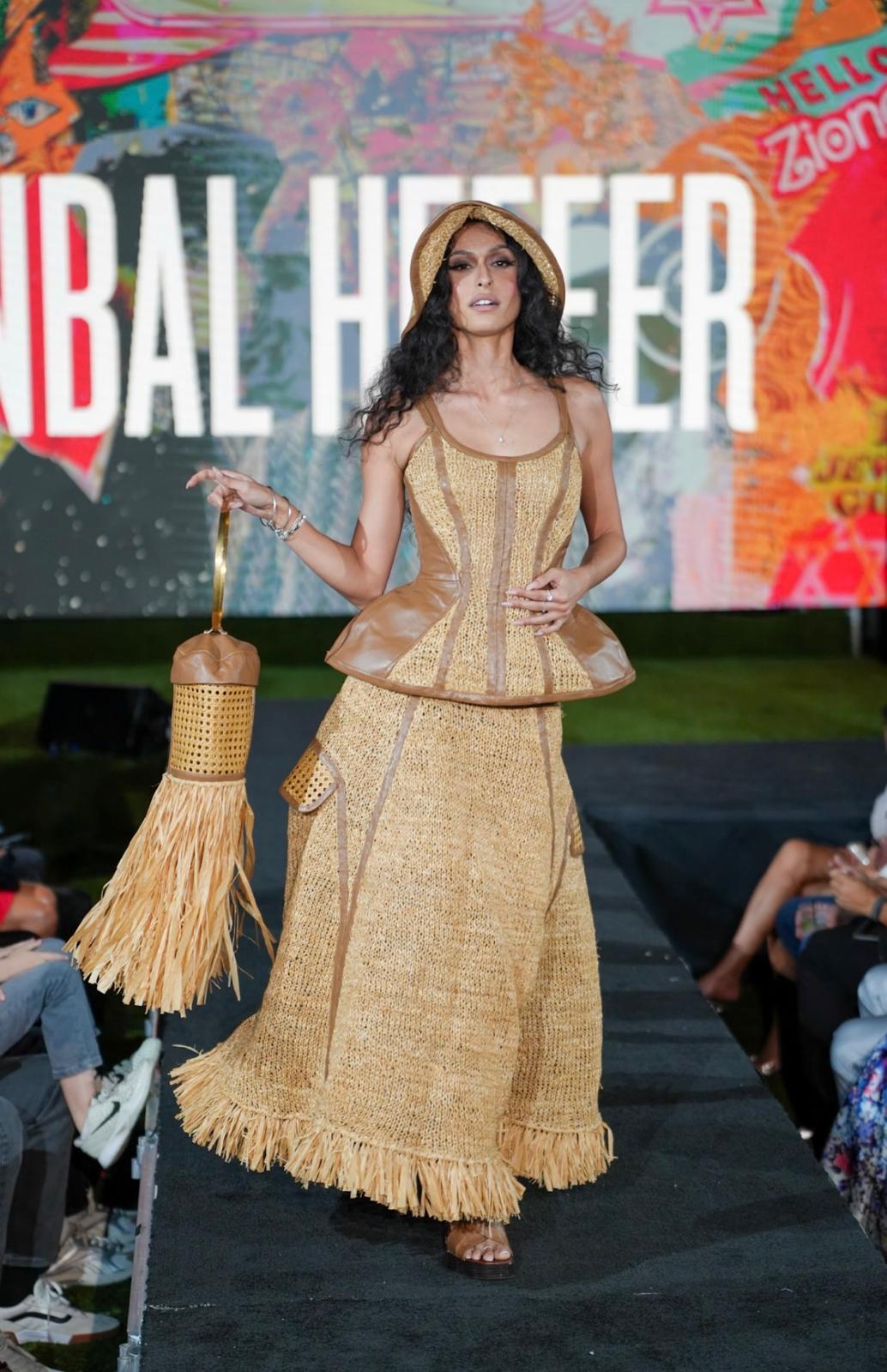
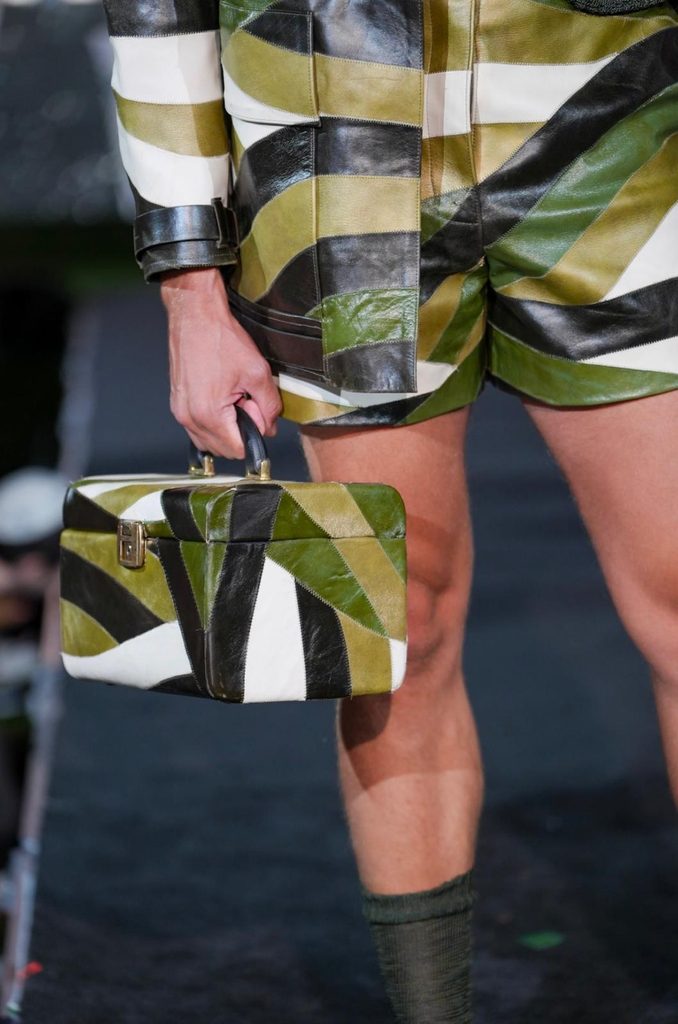
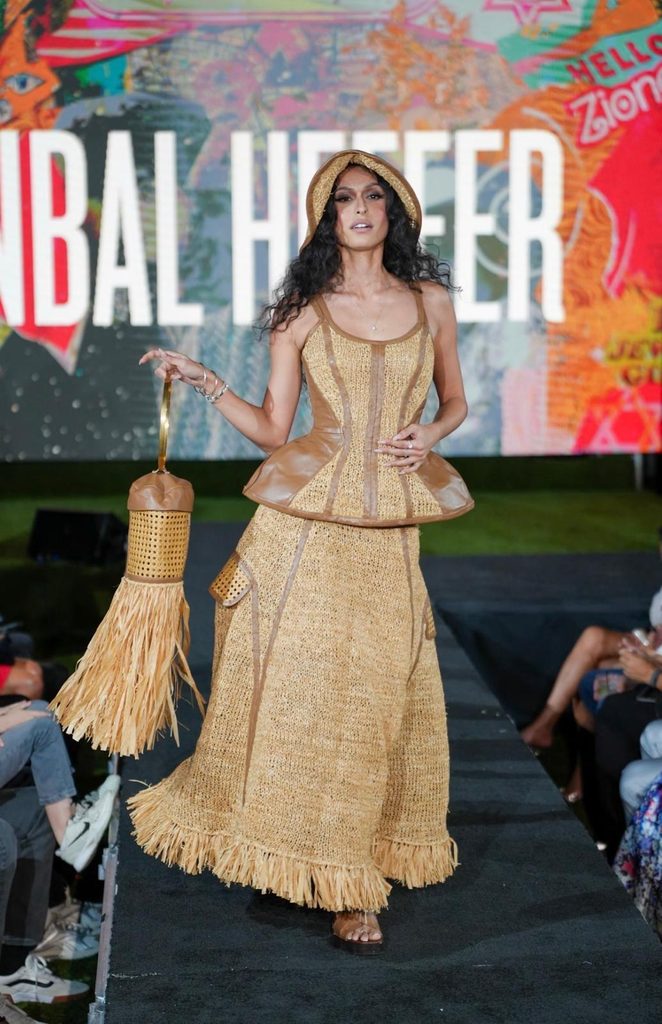
Inbal Heffer, meanwhile, brought an altogether more organic sensibility. Her work seemed to carry traces of the natural landscapes that have shaped her creative identity, from her childhood in the Galilee to her life in Jaffa. Raffia, rattan, natural dyes, and leather patchwork came together in tactile, beautifully considered designs that suggested a conversation between land and sea. It was a lovely reminder that originality in fashion doesn’t always require spectacle. Sometimes the most interesting stories are told through materials, the movement of a garment, or the quiet intelligence of a designer’s hands.
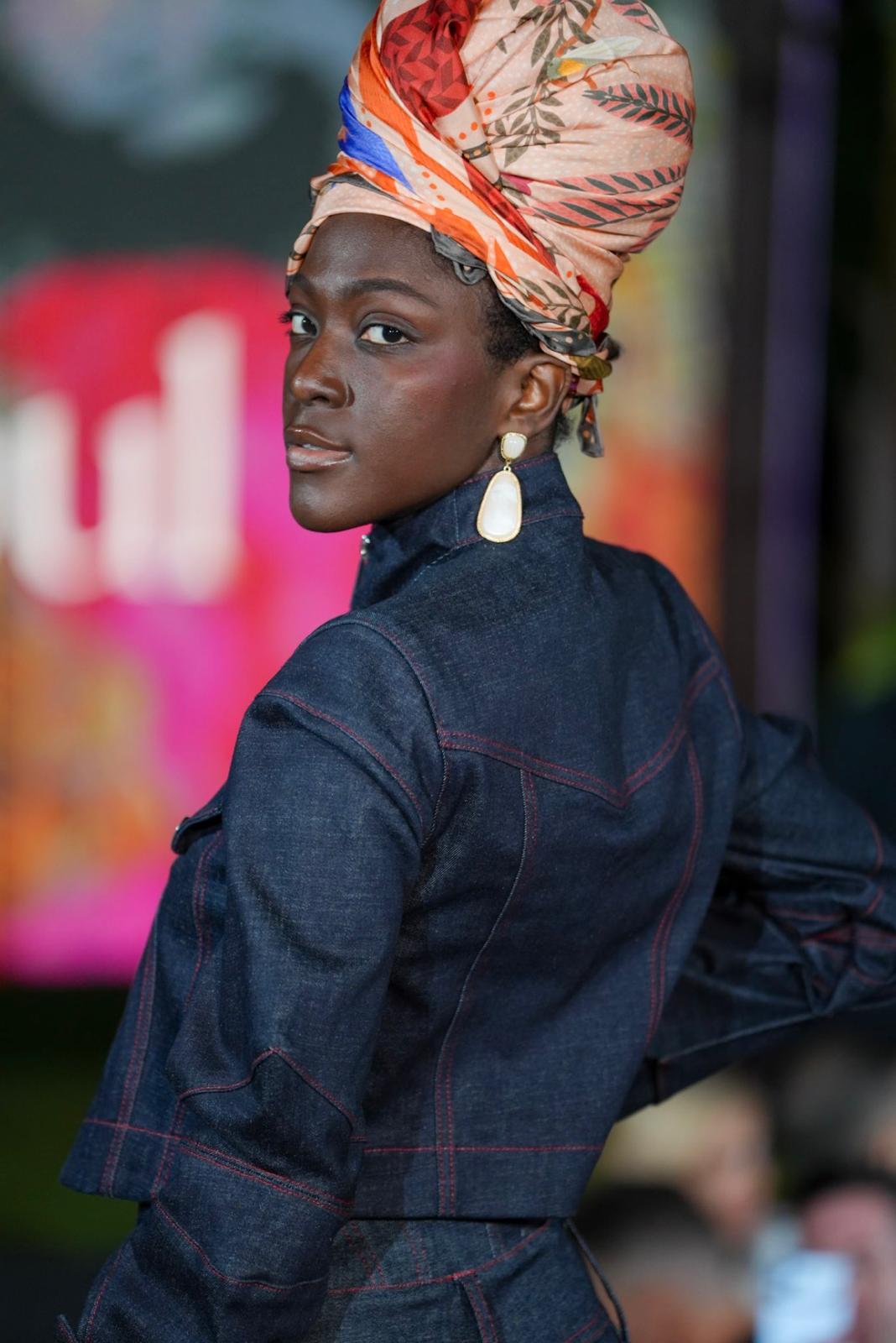
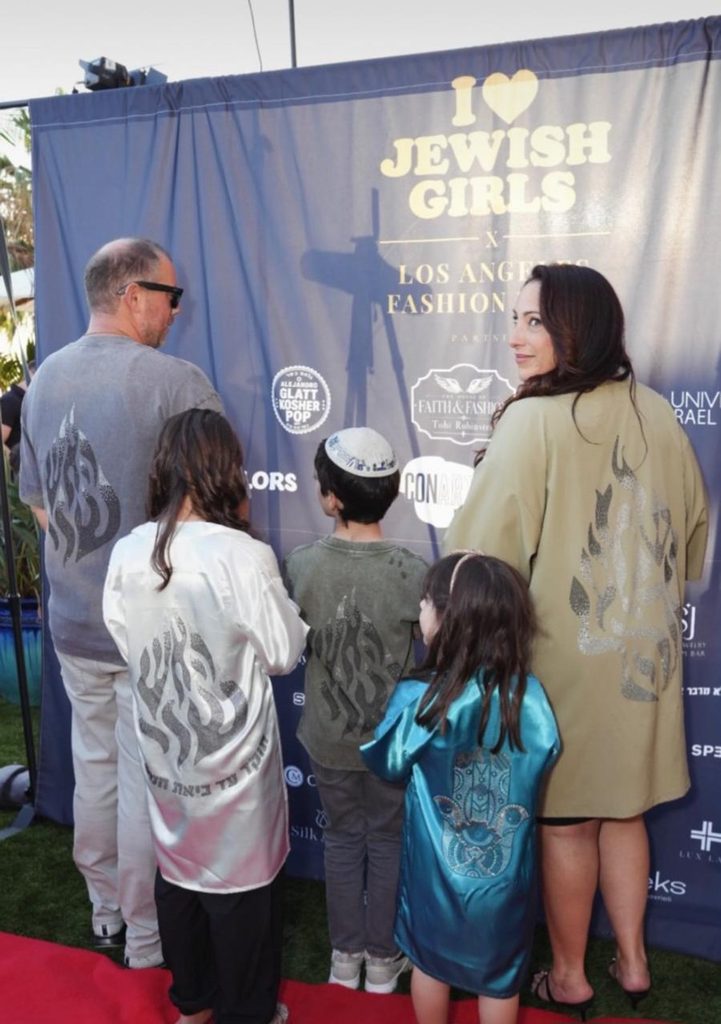
There was considerably more attitude in the collaboration between Tribe True Tradition and Alejandro Glatt. Their hand-decorated denim, emblazoned with hamsas, Stars of David, and expressions of faith, delivered one of the evening’s most exuberant interpretations of cultural identity. Elon Gold even joined the runway action, giving the collection an additional dose of humor and personality.
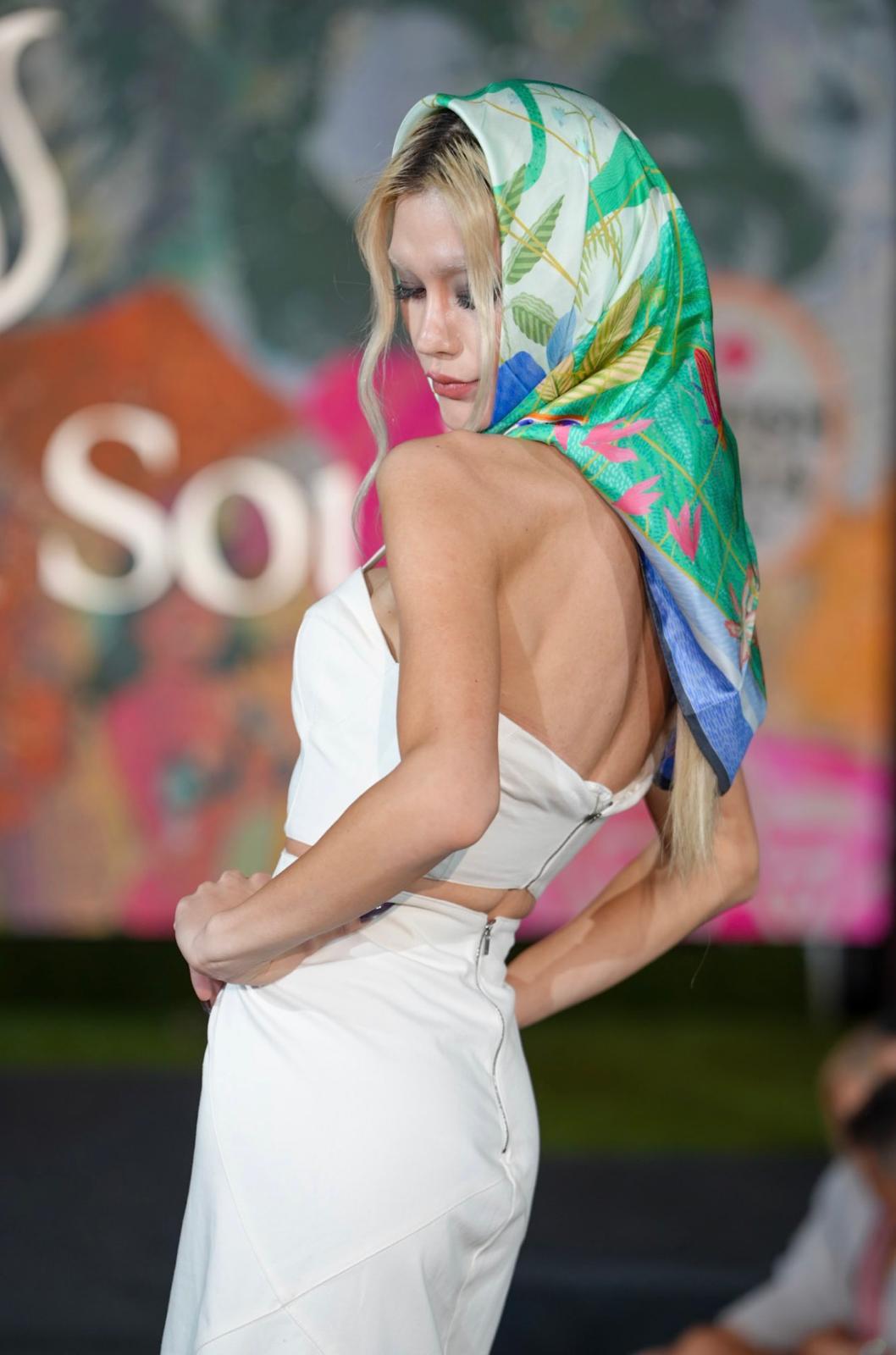
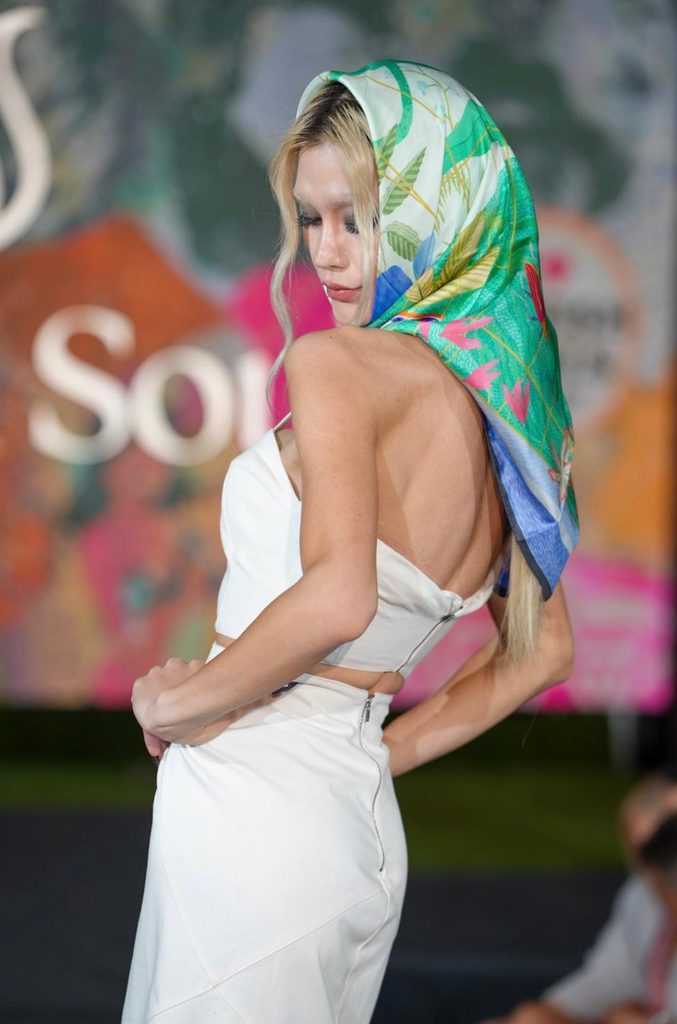
Silk&Soul brought its distinctive appreciation for silk and textile artistry into the conversation, while Sad Girl Ranch represented the expressive, handcrafted spirit of independent slow fashion. Minnie Rose, known for its luxurious knitwear and effortless approach to everyday dressing, introduced another dimension of refinement and wearable comfort.
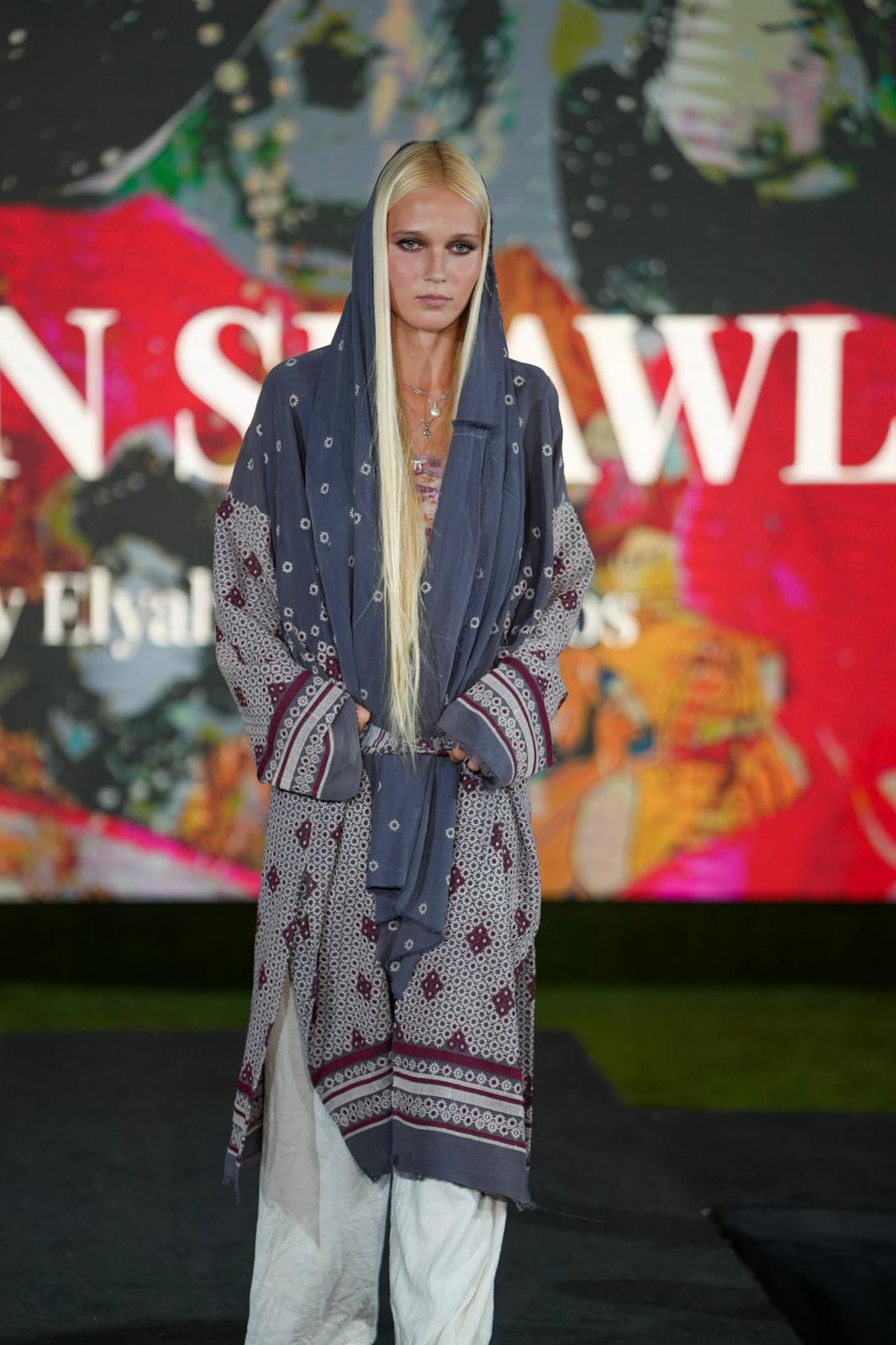
The evening’s creative breadth extended to Benya Hair Wraps, Pon Shawl, and Alex Woz Art, whose wider artistic practice explores Jewish identity, memory, and representation through contemporary imagery. Erez Safar was also among the creative names associated with the occasion, contributing to a gathering that reached well beyond the boundaries of conventional fashion.
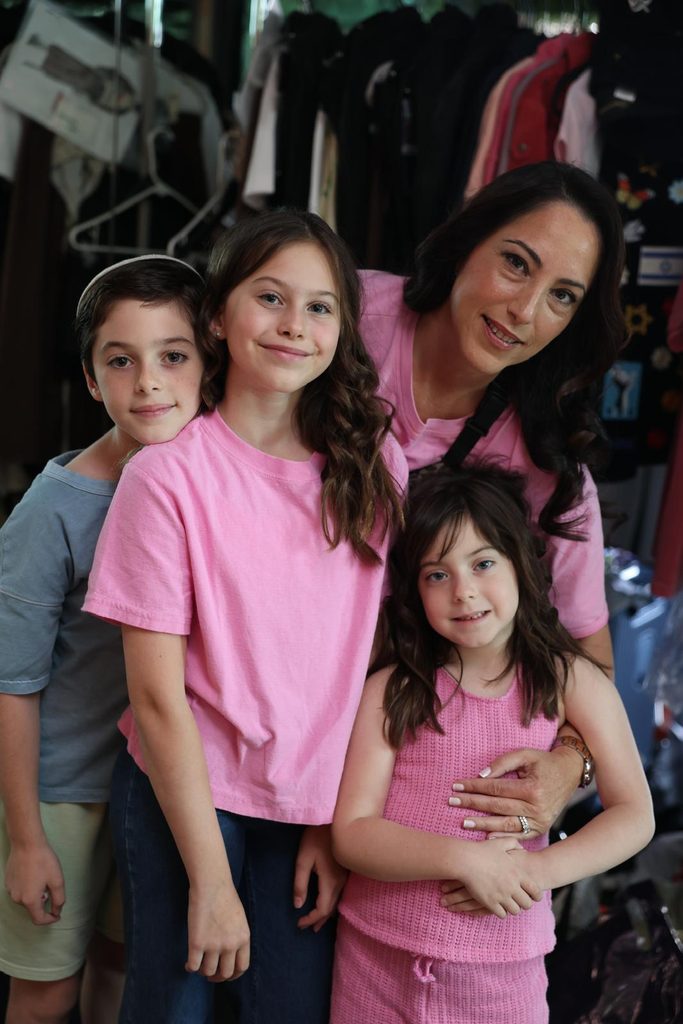
And then there was NellysList Kimonos, a name that deserves particular attention, not least because the woman behind it was also instrumental in bringing the evening to life. Anyone familiar with the Jewish social and cultural scene in Los Angeles, Miami, or New York may already know Nellys List. For more than two decades, she has been creating occasions for people to meet, connect, celebrate, and occasionally even find love. As co-producer of the Malibu event and a driving force behind its public relations, she played an important role in turning an ambitious creative concept into a fully realized gathering.
With NellysList Kimonos participating in the fashion lineup, her presence extended beyond production into the creative side of the evening itself. It is easy to admire the finished spectacle of a fashion show without considering the relationships, trust, and countless conversations that make it possible. Nellys contribution speaks to precisely that side of the industry. Fashion may supply the visual excitement, but people are what give an occasion its warmth.
Working alongside event producer and director Bethany Schwab, creative director Sharon Esther, and Tobi Rubinstein of House of Faith and Fashion, who presented the event, Fronen helped support a production that combined professional ambition with a genuine community spirit.
An equally important creative force behind the scenes was Sharon Esther, whose responsibility for the show’s backstage and frontstage workflow helped bring a remarkably diverse lineup into focus. Born and raised in Los Angeles, Esther built her career across fashion, film, television, and visual production. It’s worth mentioning that she is the founder of this very platform – Con Art Magazine. Years spent working with designers and artists in Tel Aviv added another dimension to her visual perspective.
A Finale with Heart
For all the evening’s colorful energy, the closing collection introduced a distinctly different emotional register.
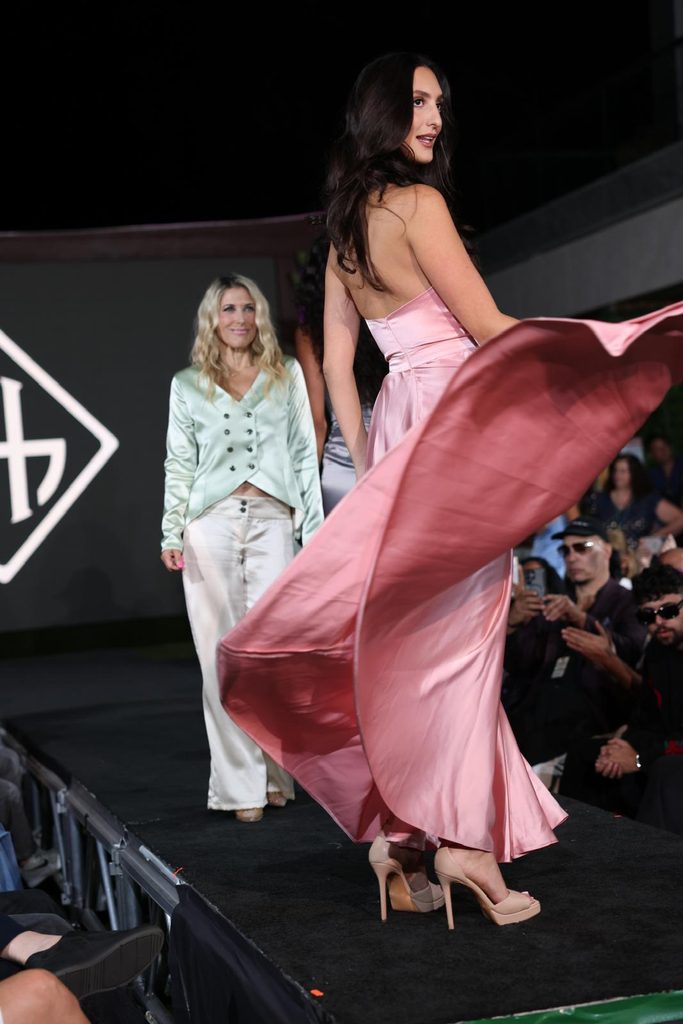
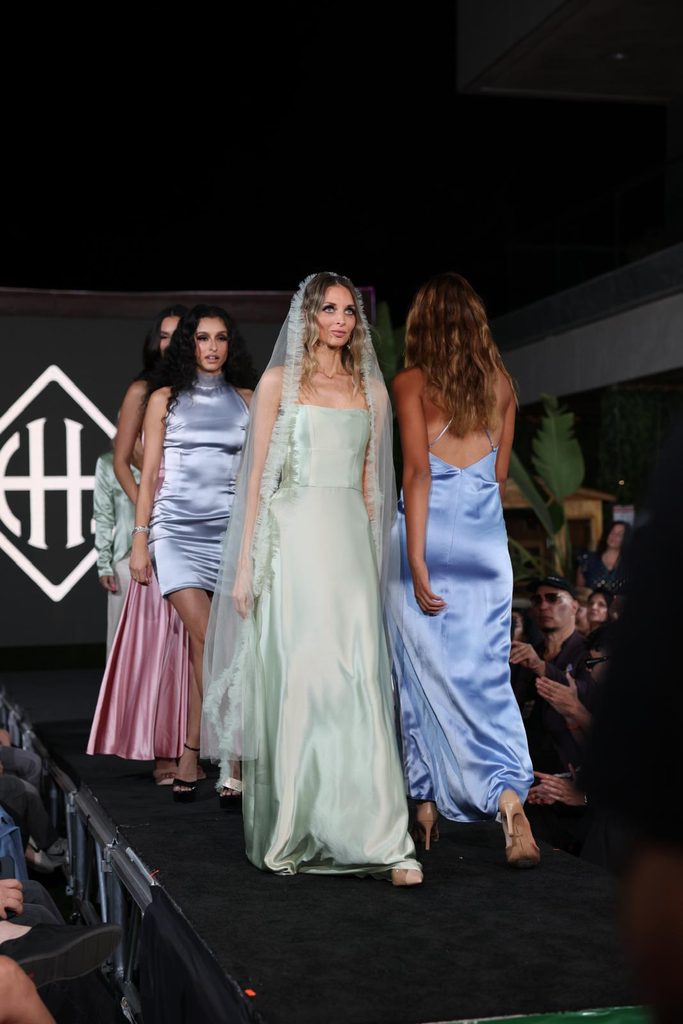
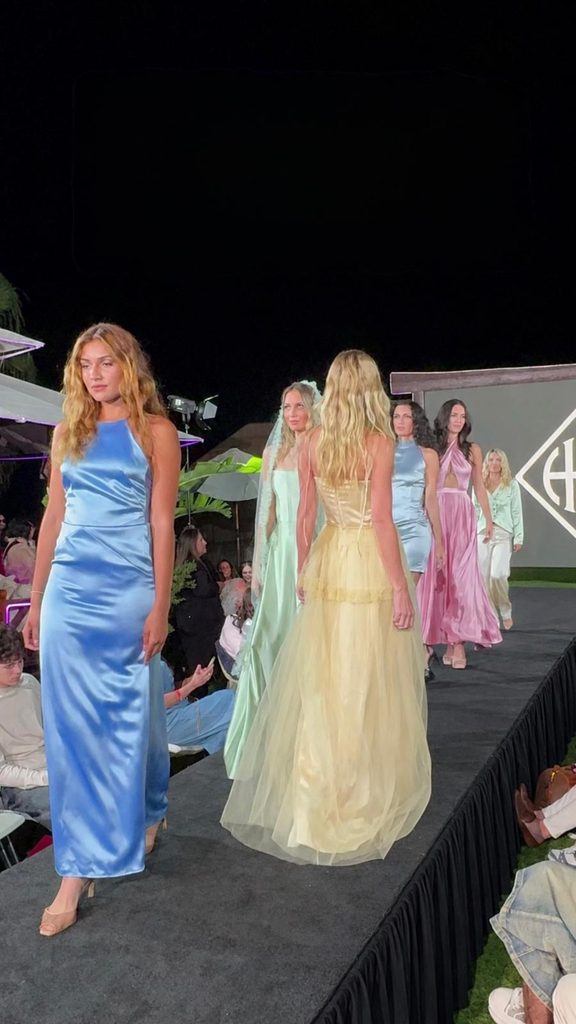
House of Horizon, created by designer Batya Schwarz, brought the show to its conclusion with a collection shaped by an intensely personal experience: the loss of her fiancé, an Israeli soldier who was killed. The Malibu presentation marked the collection’s runway debut. Against the excitement and visual exuberance that had preceded it, the designs carried an undeniable sense of intimacy and emotional weight.
Fashion has always possessed an unusual ability to communicate things that words struggle to express. In the hands of a designer, grief can become an act of creation, memory can take on a physical form, and something profoundly personal can find a place in a public setting. Schwarz’s presentation gave that idea particular resonance.
There were other personalities and surprises throughout the evening. Danielle Yablonka, Miss Universe Israel, addressed the audience, while music and performances by Sam Trocki and UZA Entertainment, led by Karin Uza, kept the atmosphere lively between runway segments.
The occasion also looked toward the future, with the announcement of a collaboration between I Love Jewish Girls and Miss Israel USA, including plans for a crowning during the project’s upcoming Miami Art Week edition in December.
Some designers chose humor. Others chose elegance, craftsmanship, cultural symbols, or intensely personal storytelling. Some made their statements boldly, while others allowed texture, silhouette, and detail to speak for themselves. There was room for all of it.
And perhaps that is what made the evening so appealing. Nobody needed to agree on a particular definition of Jewish fashion, or even on what it ought to look like. The pleasure was in discovering just how many different things it could be. After all, the best fashion events don’t merely introduce us to beautiful clothes; they introduce us to the people, imaginations, and stories that make those clothes worth remembering.
LAFW x I  Jewish girls. Full Credit list:
Presented by: House of Faith and Fashion, Tobi Rubinstein.
Creator: Alejandro Glatt
Event Director: Bethany Schwab
Creative Director: Sharon Esther
Co-produced by: Nellys List
In partnership with: Miss Universe Israel, Daniella Lablonka
Special thanks to our creative team:
Director of photography: Scott Goldberg
Video: Richard Ryan
Styling: The7Colors
Wardrobe Manager: Sara Vasquez
Makeup: Mira Tal
Hair: Julie Wise