CON
 CON
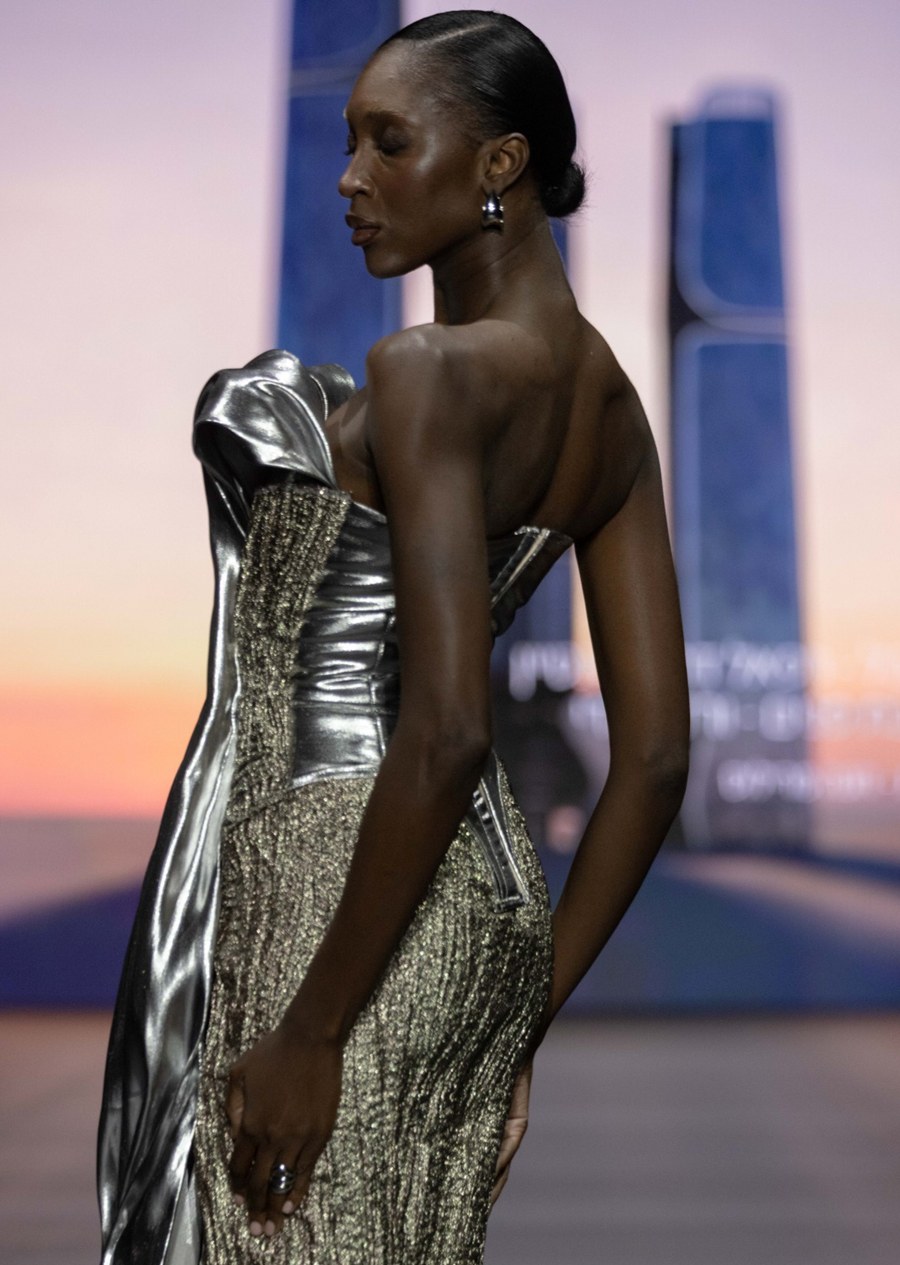
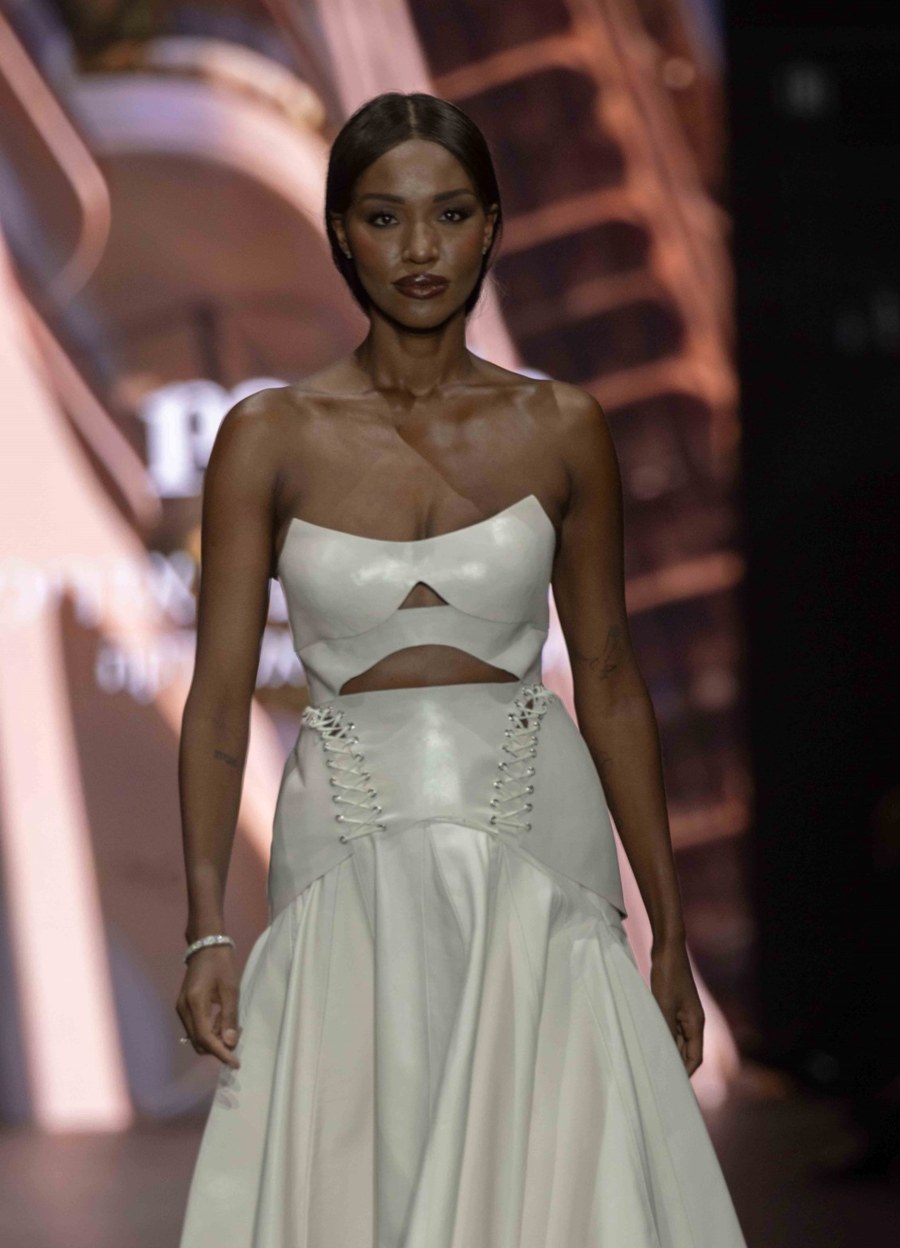
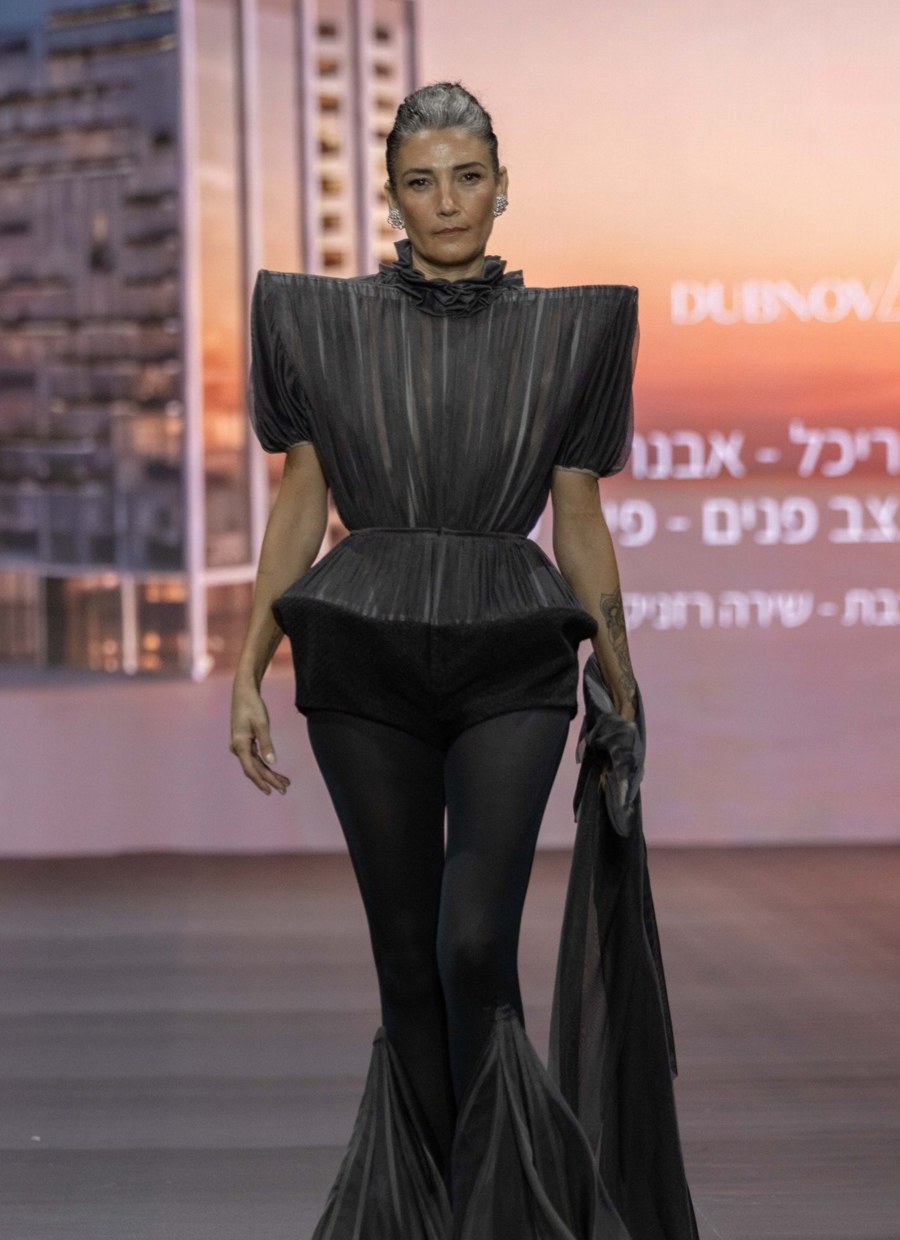
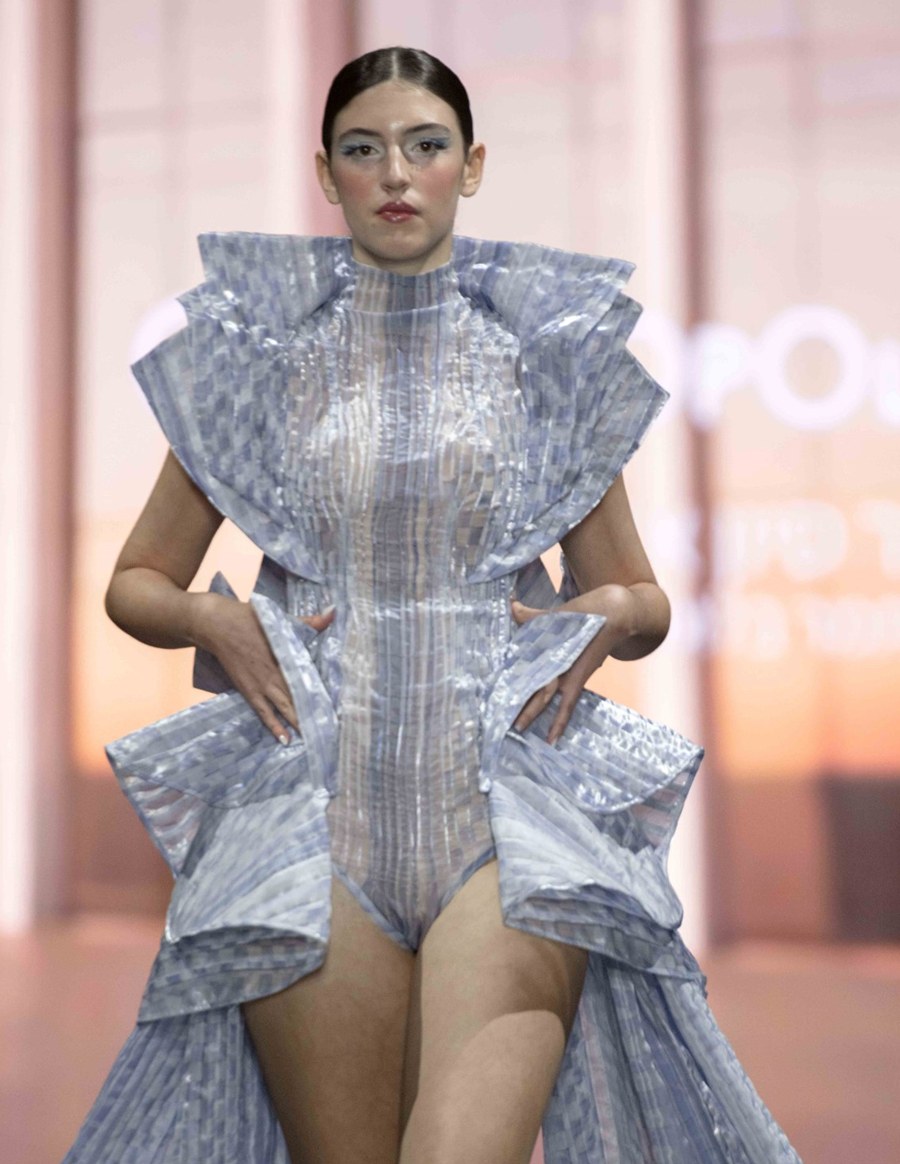
An electrifying performance by Batsheva Dance Company, a humanoid robot and 15 Israeli designers reimagining the city’s architecture in fabric set the stage for an unconventional opening night.
For one evening in Tel Aviv, the distance between the city skyline and the fashion runway became surprisingly small. Towers, residential landmarks and architectural concepts provided the starting point for a collection of one-of-a-kind designs, while contemporary dance and artificial intelligence added unexpected dimensions to an evening devoted to Israeli creativity.
The opening gala of Israel Canada Tel Aviv Fashion Week 2026, held on November 8 and produced by fashion entrepreneur Motty Reif, brought together 15 Israeli designers for an ambitious creative experiment: translating the language of architecture into clothing.
But before fashion took centre stage, the runway belonged to dance.
In one of the evening’s most arresting moments, 40 dancers from the internationally acclaimed Batsheva Dance Company performed Echad Mi Yodea, a celebrated sequence from choreographer Ohad Naharin’s Anafaza. Dressed in black-and-white suits and accompanied by live percussion from the Israeli rock band Tractor’s Revenge, the dancers introduced a different kind of physical expression to a space usually associated with fashion.
The performance was a fitting prelude to an evening concerned with the relationship between the body, its surroundings and the structures that shape them.
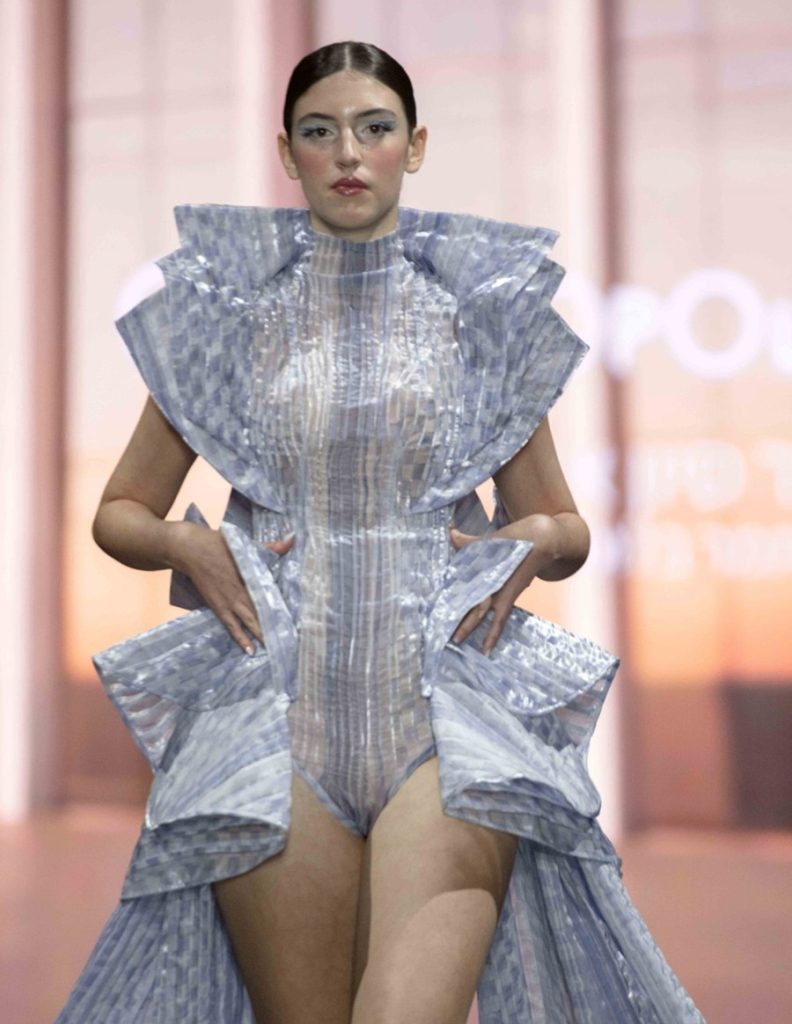
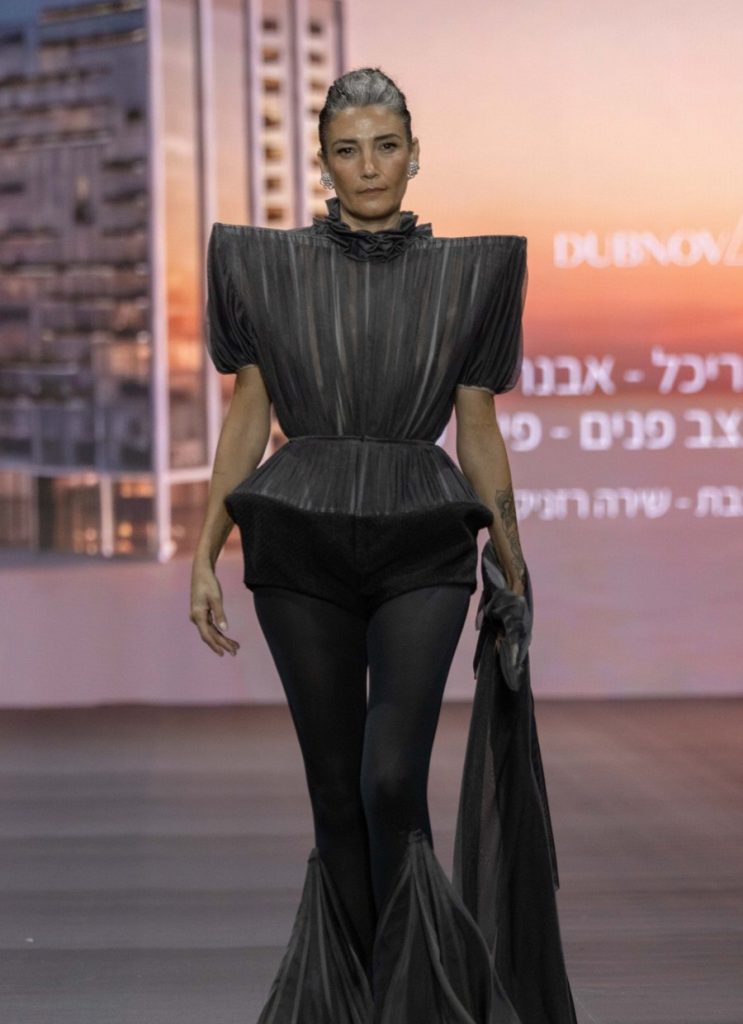
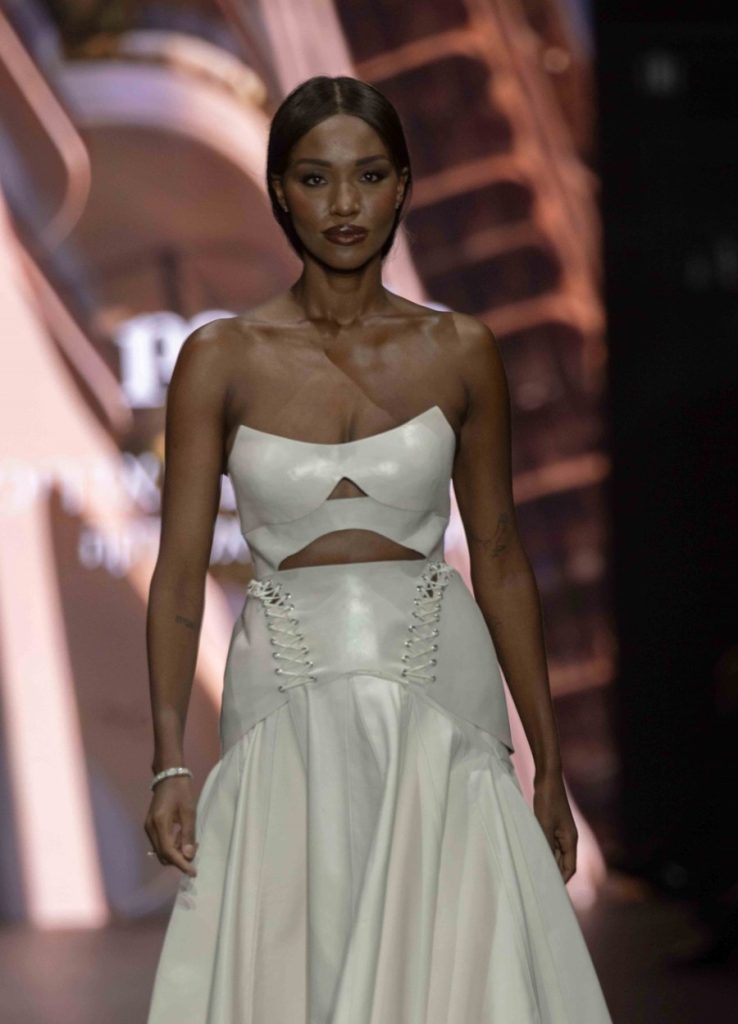
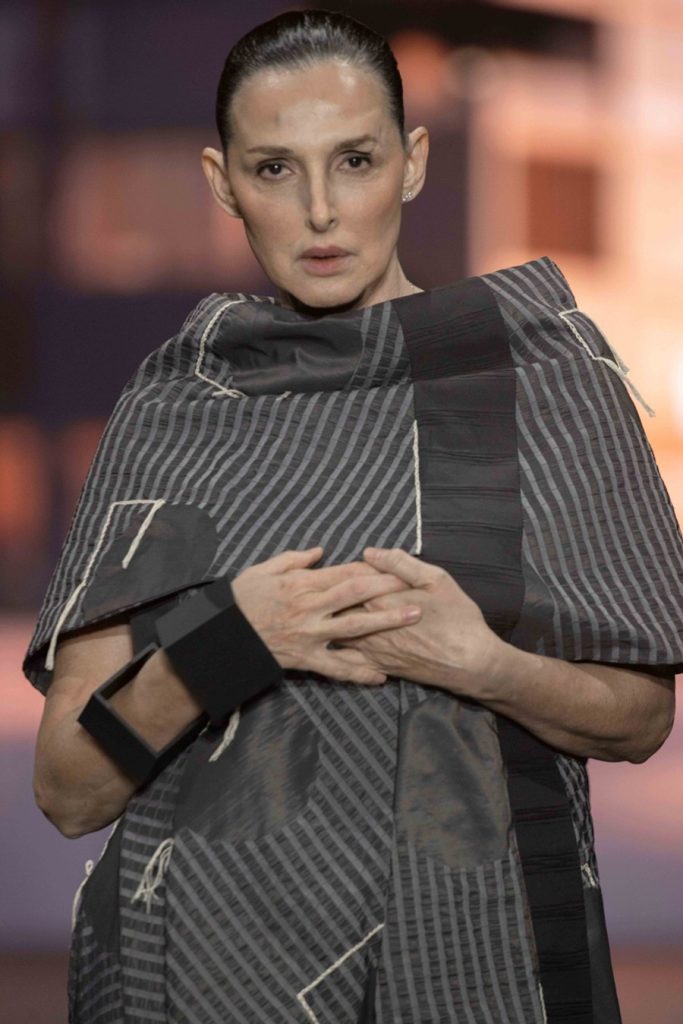
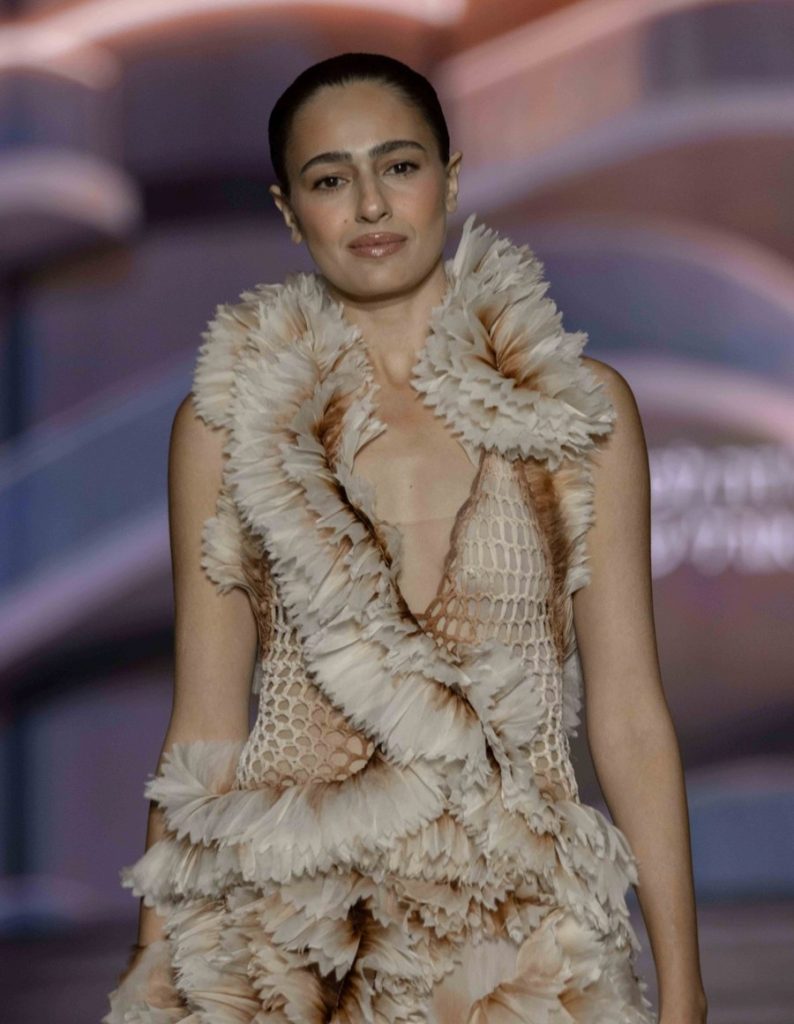
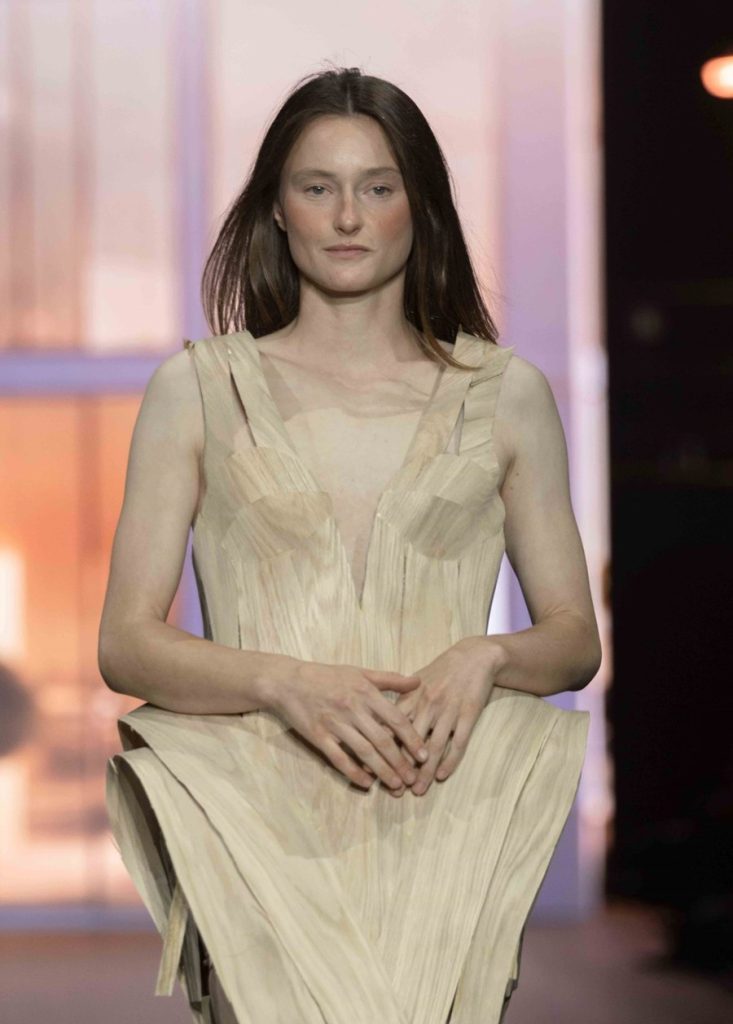
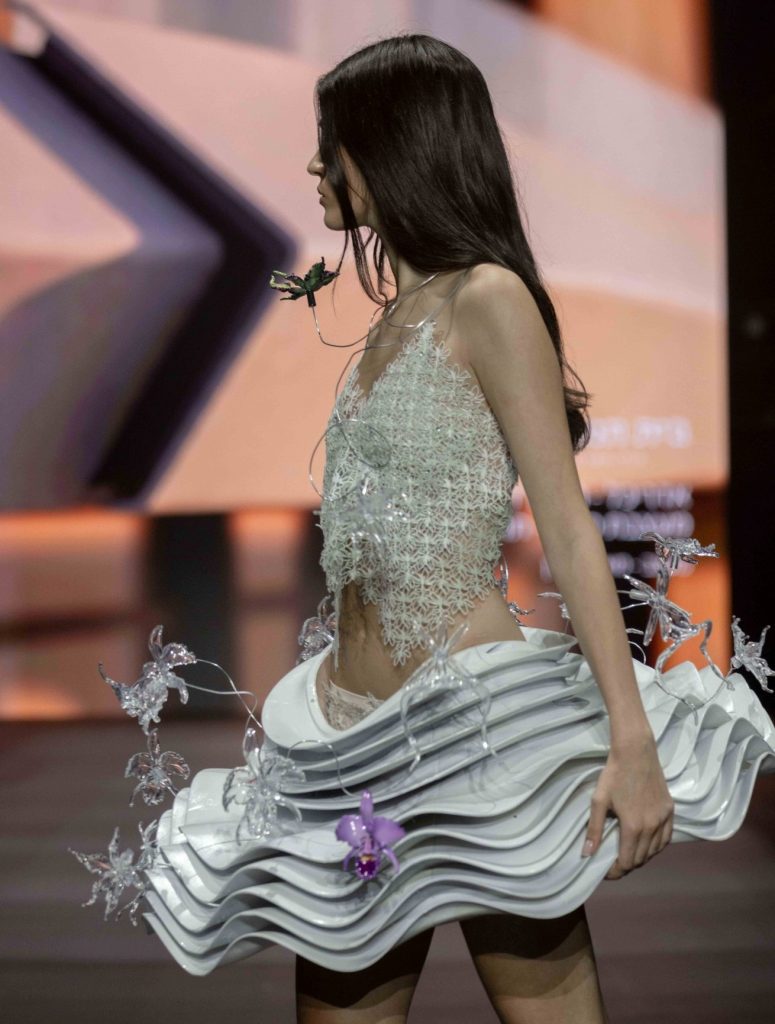
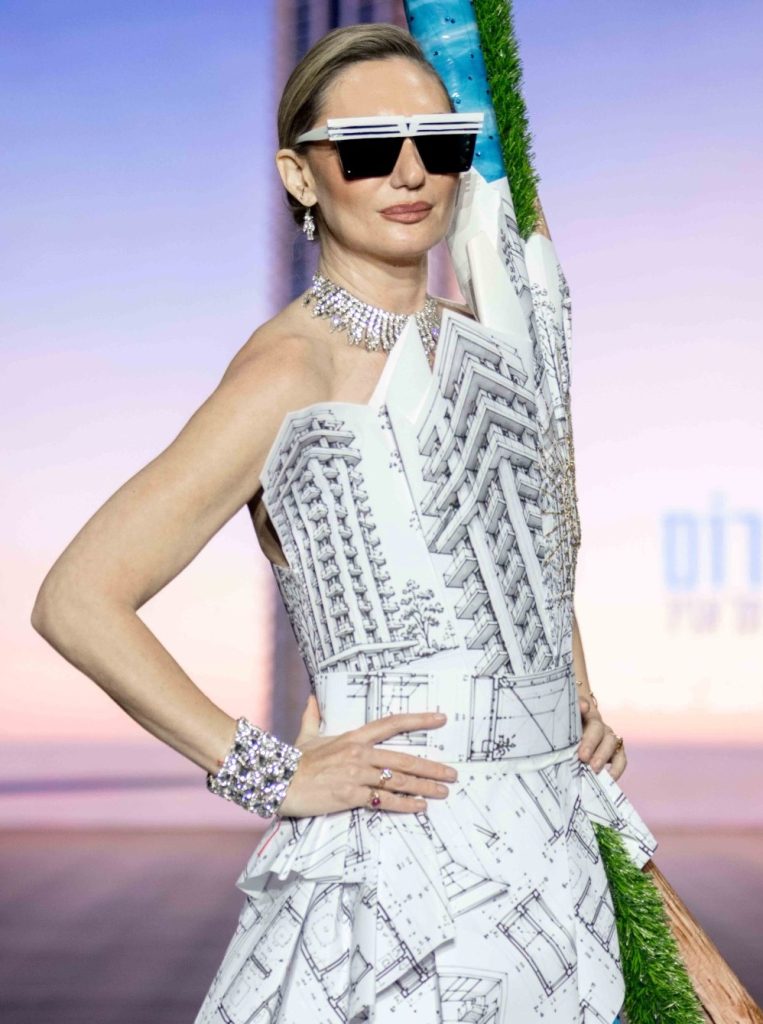
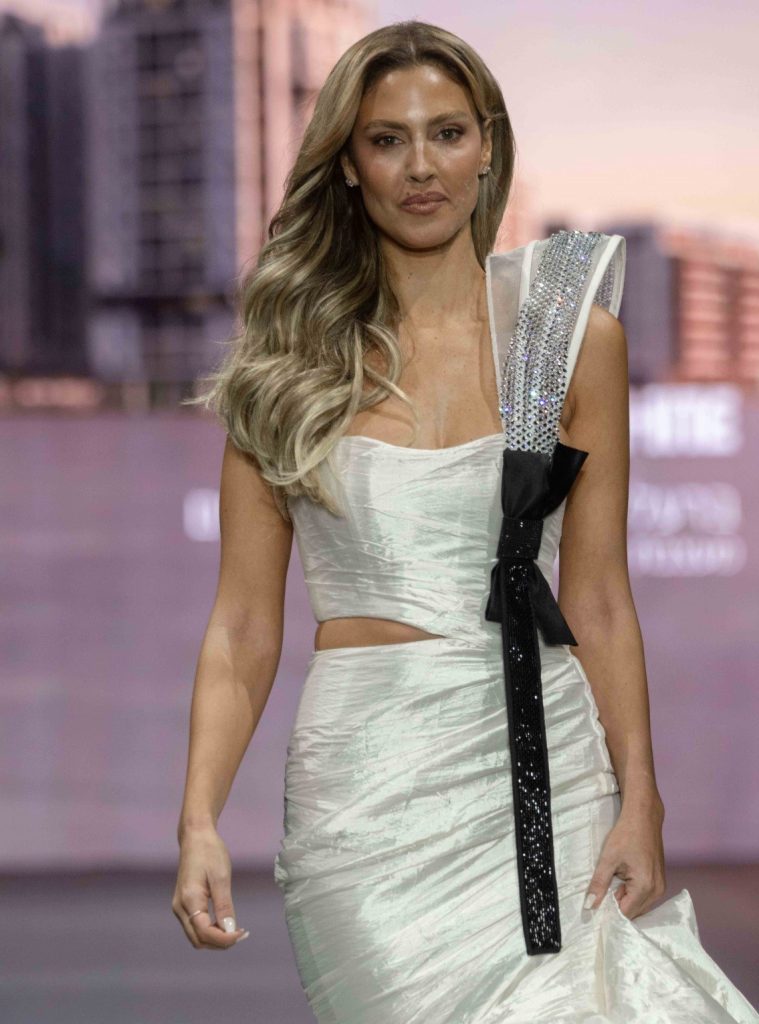
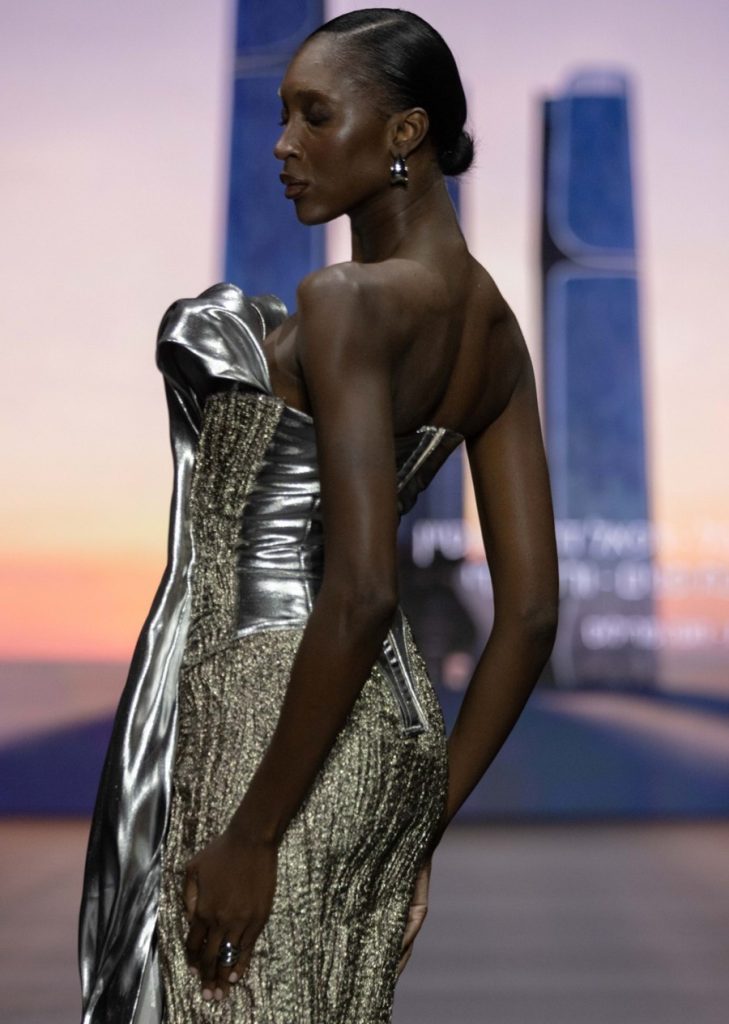
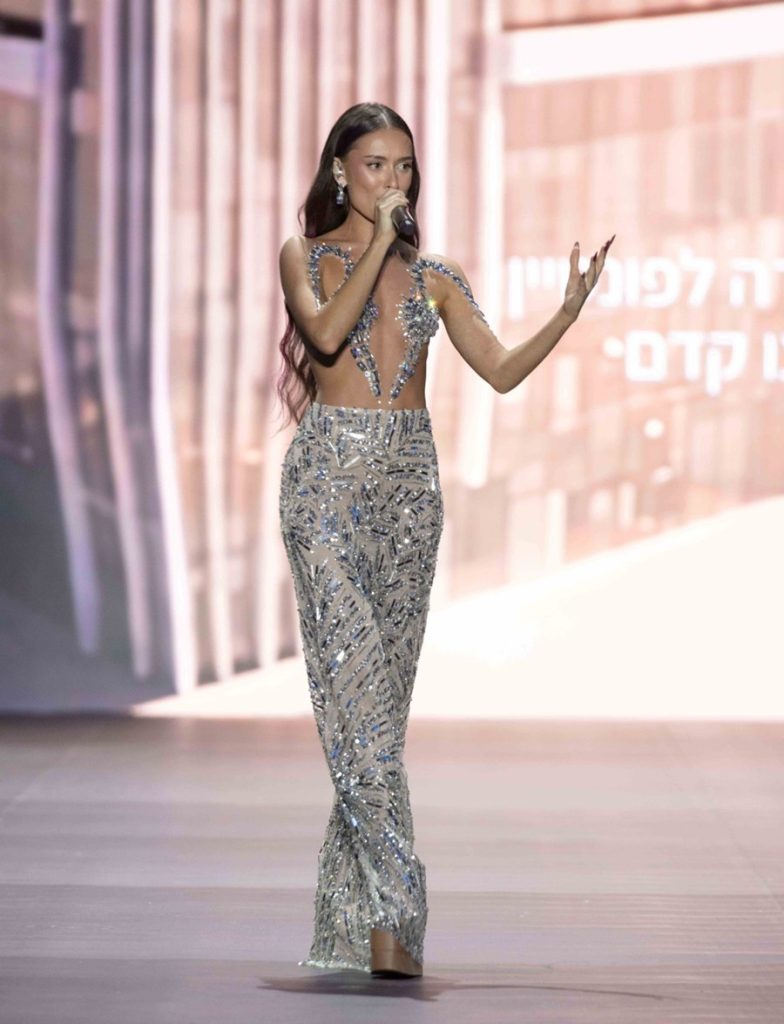
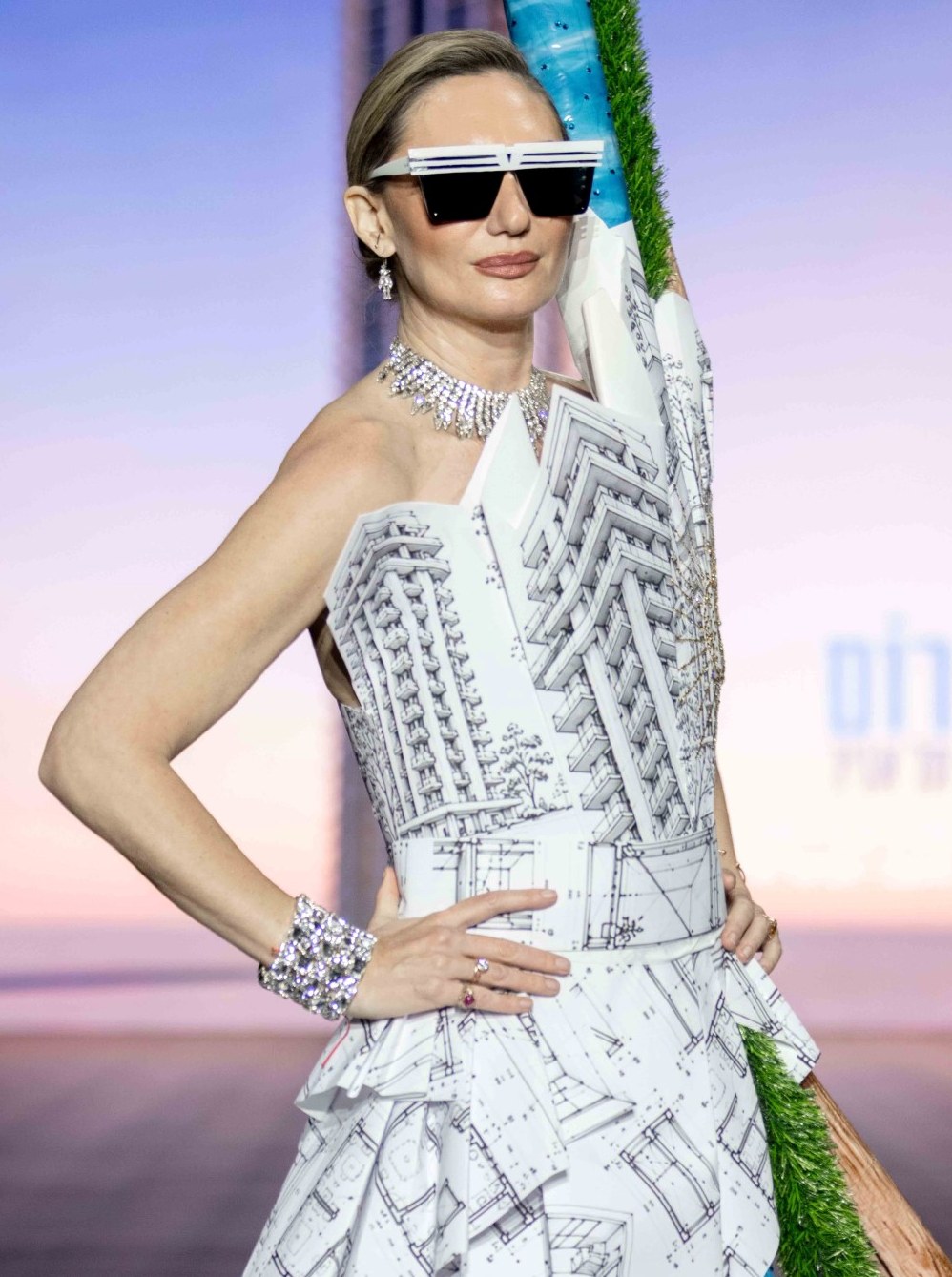
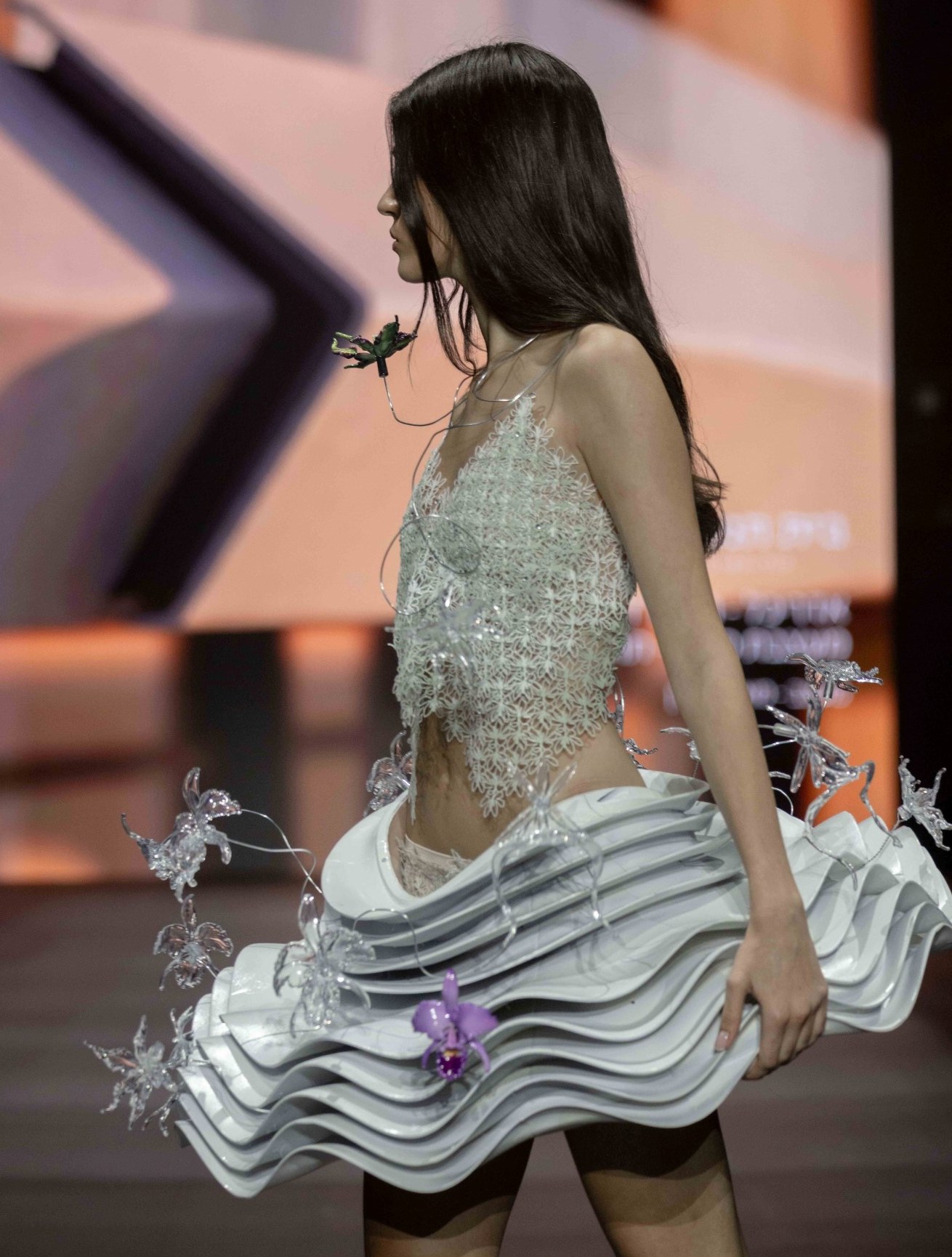
At the heart of the gala was a fashion presentation that treated architecture not merely as a visual reference, but as a design vocabulary. Fifteen designers were invited to interpret prominent Israeli buildings and architectural projects through original garments, exploring the possibilities of geometry, proportion, volume and construction.
The resulting dialogue between buildings and clothes was particularly compelling in its shift of scale. Architectural forms intended to occupy the urban landscape were reconsidered in relation to the human figure, where structure had to coexist with movement, fabric and the body’s natural contours.
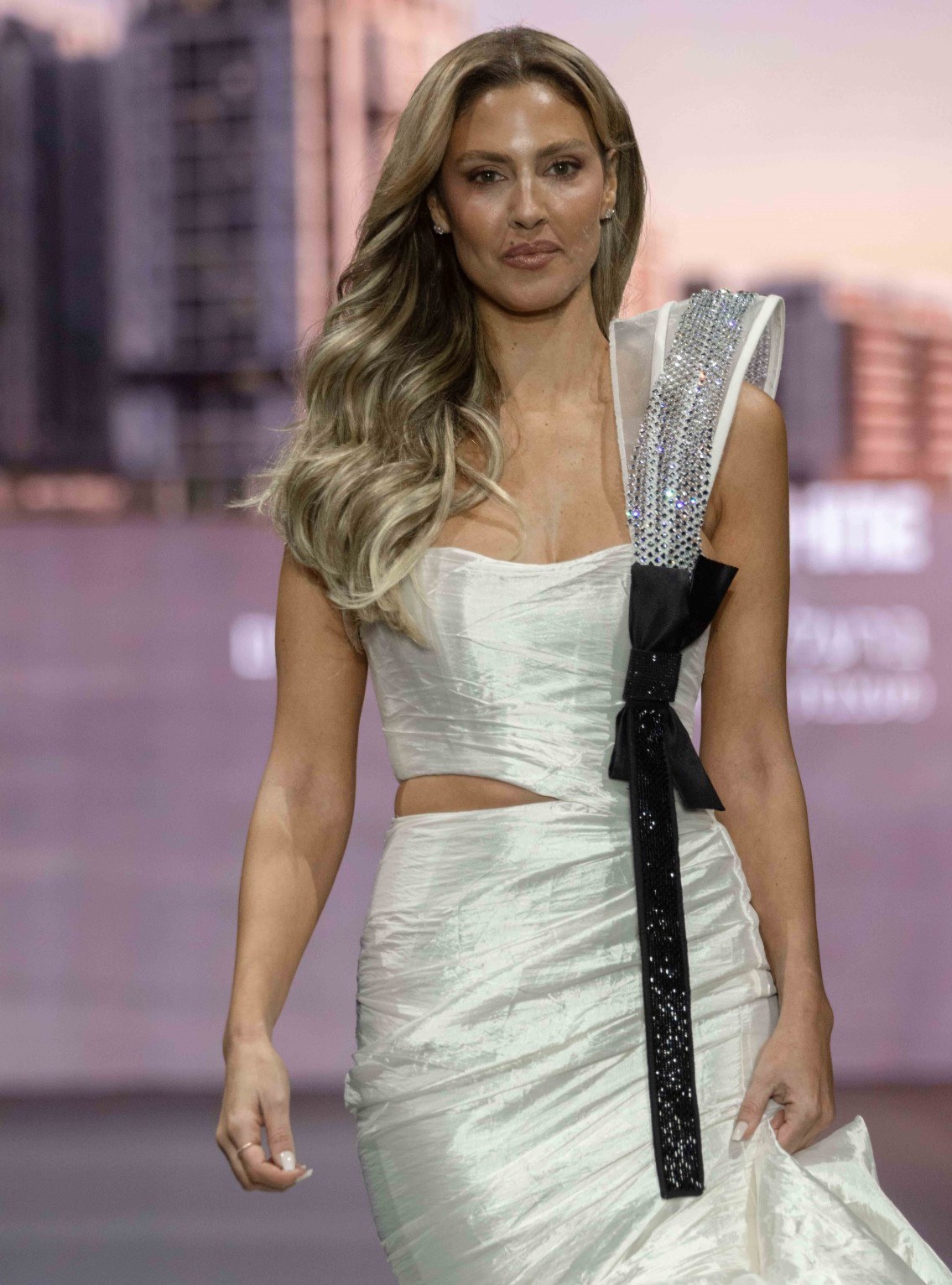
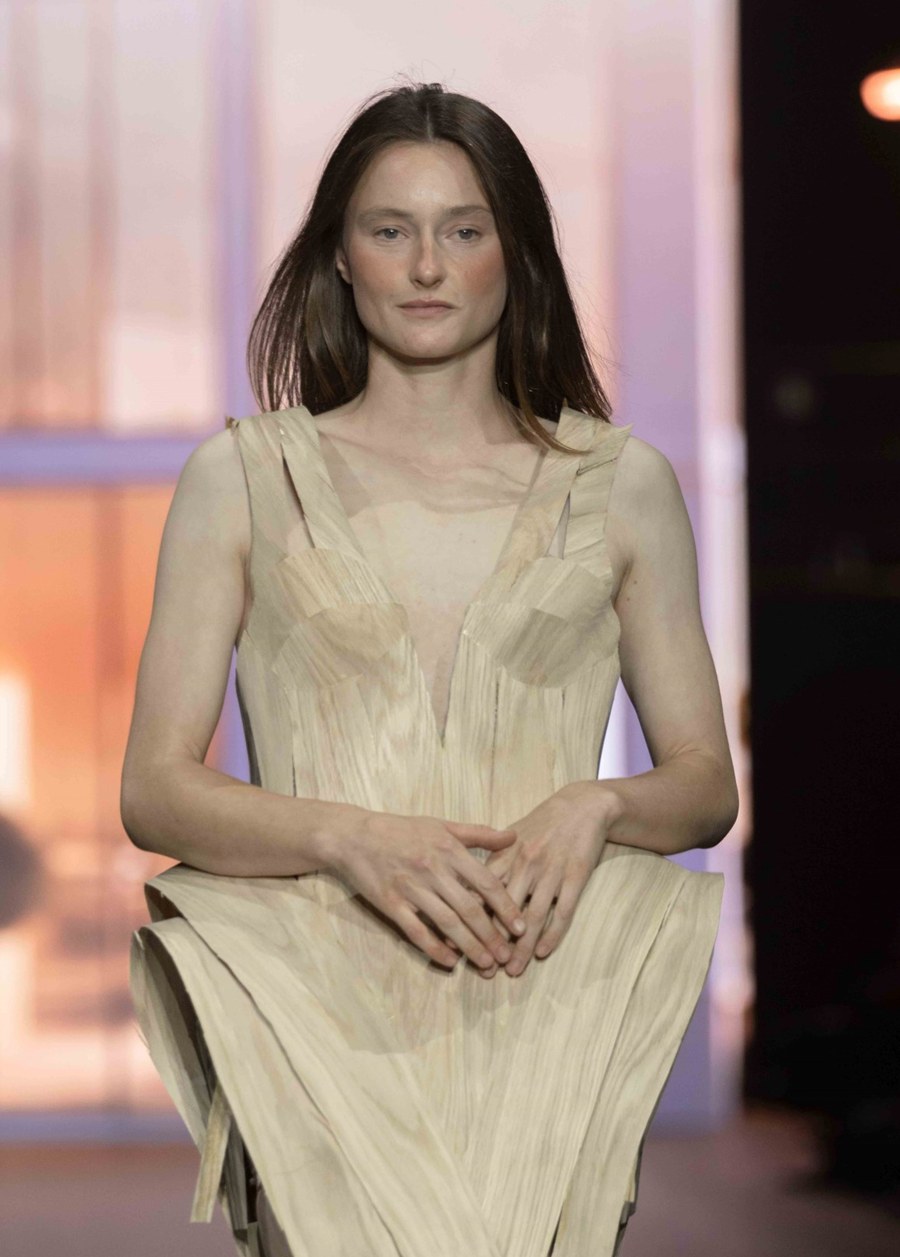
Among the standout collaborations, television presenter Lucy Ayoub appeared in a creation by Vivi Bellaish inspired by the Rainbow residential project, associated with architect Orly Shrem. Model Yael Reich wore Sasson Kedem, whose design drew on Mars House by architect Gidi Bar Orian.
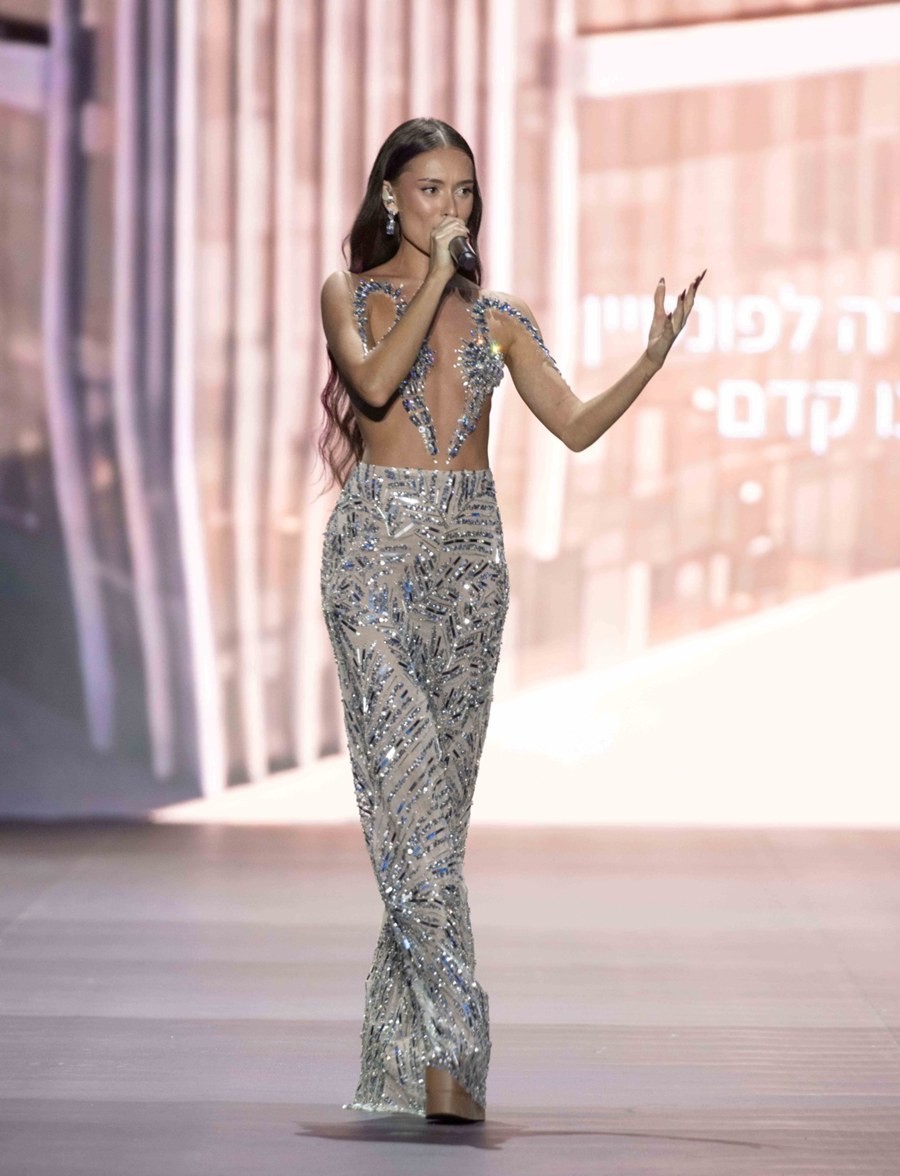
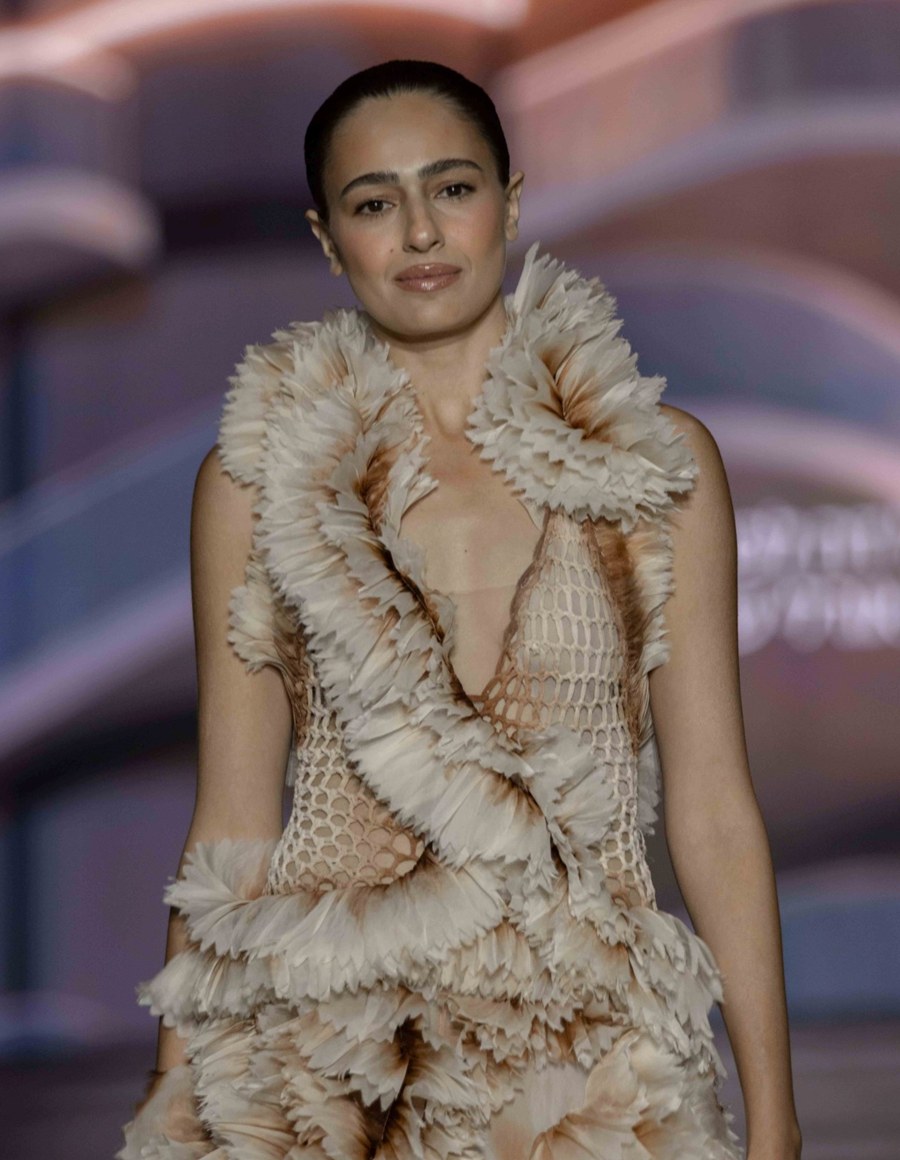
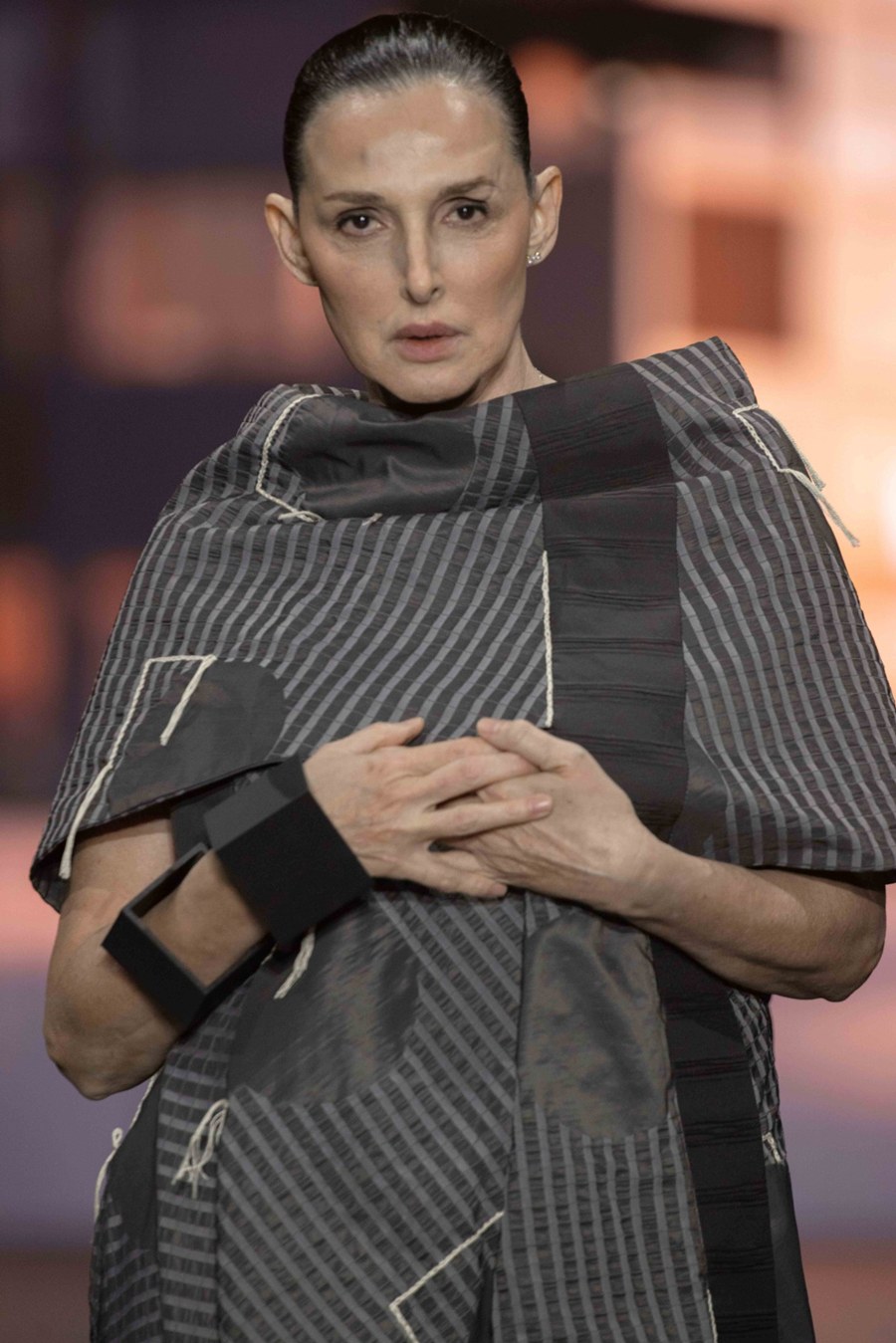
Eden Golan took to the runway in Alon Livne, interpreting the architectural language of the SHE project, while Michal Ansky appeared in a design by Aviad Herman, inspired by the ROM project of architect Avner Yashar.
Elsewhere, Shirley Boganim wore a creation by Tamar Elbaz based on the Da Vinci project, also designed by Yashar. Former Miss Israel Titi Aynaw appeared in a look by Ariel Berka, inspired by the People development.
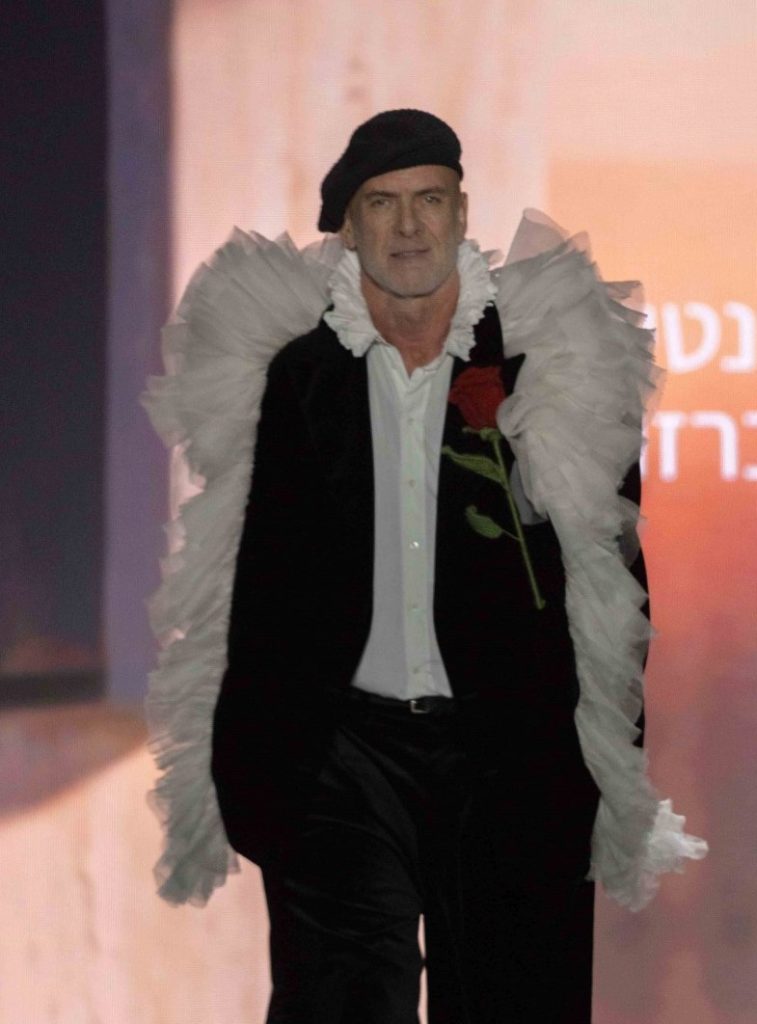
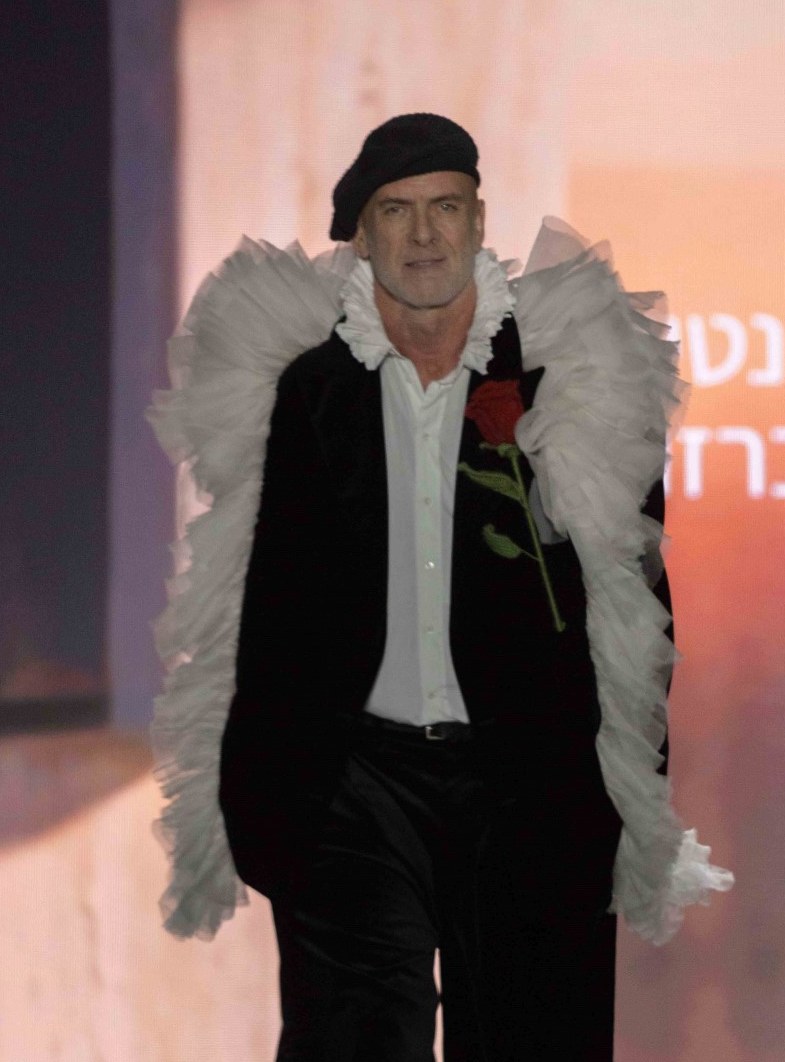
Reif himself participated in the presentation, wearing a design by Aharon Genish inspired by Midtown Jerusalem.
The broader designer lineup brought together established figures and emerging creative voices, including Shai Shalom, Inbal Heffer, Rimma Romano, Chana Marelus, Shira Reznikov, Tamar Blumenfeld, Maya Kaplan and Efrat Kalig.
Their participation gave the project a welcome range of perspectives, demonstrating how a single architectural brief could accommodate different approaches to silhouette, construction and personal expression.
Technology, meanwhile, made an appearance in a rather more literal form. Reif shared hosting duties with Ameca, the remarkably lifelike humanoid robot brought to the event from MadaTech, the National Museum of Science in Haifa.
The pairing introduced a playful contrast between human spontaneity and machine intelligence, extending the evening’s exploration of creativity beyond the familiar territory of fashion and design.
Now in its 16th edition, Israel Canada Tel Aviv Fashion Week has adopted “Trailblazing Women” as its theme for 2026, continuing its emphasis on representation, diversity and the cultural significance of fashion. The event is once again hosted at Kremenetski 7, in partnership with real-estate developer Israel Canada, led by CEO and co-owner Barak Rosen.
The programme continues from November 9–12 with 27 runway presentations, special collaborations and projects celebrating the breadth of Israeli fashion. The shows are also scheduled for broadcast on the Israeli Fashion Channel through HOT and yes.
For an opening night built around the meeting of several creative disciplines, the architectural runway offered the clearest expression of its ambition. A building and a garment may serve entirely different purposes, but both begin with an idea of how people inhabit space.
In Tel Aviv, that shared understanding became the foundation for a fashion story written in fabric, movement and form.
Photography: Omri Rosengart
Images courtesy of Israel Canada Tel Aviv Fashion Week 2026